



You Caught It. Your Last Supplier Didn’t.
The Numbers That Keep Your Program Moving
Not marketing claims. Proof points from aerospace and defense programs where the tolerances were unforgiving, the schedules were real, and stopping wasn’t an option.
98%
25+

7

1
The Conversation That Keeps the Program Moving – Happens at the Quote
You’ve reverse-engineered enough first article failures to know exactly where they start.
Not at the machine. Not at inspection. At the quote – when a supplier looked at a feature that was going to be difficult to hold and said nothing. Quoted it. Built it. Sent it. And left you with the corrective action, the re-run cost, and the conversation with the program manager that stopped everything for two weeks.
You already know this. It always starts at the quote.
At Fathom, the engineer who reviews your drawing at the quote stage is the same one who owns the outcome through first article, bridge production, and ramp. They saw the drawing on day one. They know why the tolerance is what it is. They know what changed in the last revision and why.
When something doesn’t look right – you hear about it before the machine runs. Not after. Not when the program has already stopped.
-
Tolerance and geometry review at quote stage – the difficult feature flagged before setup, not after first article stops the program
-
Material and process fit assessed against your design intent – not shop floor convenience
-
ECO management that doesn’t restart the clock – revision control built in so a drawing change doesn’t stop the program
The DFM conversation your last supplier should have had on day one – Fathom has it before the quote goes out. The engineer who flagged it is the same one who builds it. So the program keeps moving from the first drawing to the last delivery.

Prototype-to-Production Transitions
You’ve been here – the prototype supplier who built a beautiful first article and couldn’t hold the same tolerance at ten pieces. The NPI cycle that restarted because the production source required full re-qualification. The schedule impact of a knowledge transfer that should have been seamless and wasn’t. That gap is where programs stop. Fathom closes it. The engineer who built your prototype scales it – same tolerances, same documentation standard, same understanding of why the geometry is what it is. The program keeps moving.

First Article & FAI Integrity
First article failures don’t come from nowhere. They come from a supplier who didn’t flag a manufacturability concern at the quote stage and hoped it would work out at the machine. By the time it doesn’t – the program has stopped. At Fathom, the FAI package is built the way your quality team expects it – dimensional inspection, traceability, serialized lots, receiving-ready documentation. Not because it’s required. Because a clean FAI is the fastest path to production approval. And the fastest path to keeping the program moving.

Tight Tolerance & Complex Geometry
The features that stop programs are rarely the obvious ones. Thin walls. Multi-axis geometries. GD&T stack-ups that leave no room for process variation. Materials that machine differently than they specify. You’ve seen what happens when a supplier quotes these features without reading them – and finds out at the machine what you knew at the drawing. Fathom’s engineers read those features at the quote stage. They flag the stack-up. They recommend the process change. They hold the tolerance. The program keeps moving.
ECO Management Without Schedule Impact
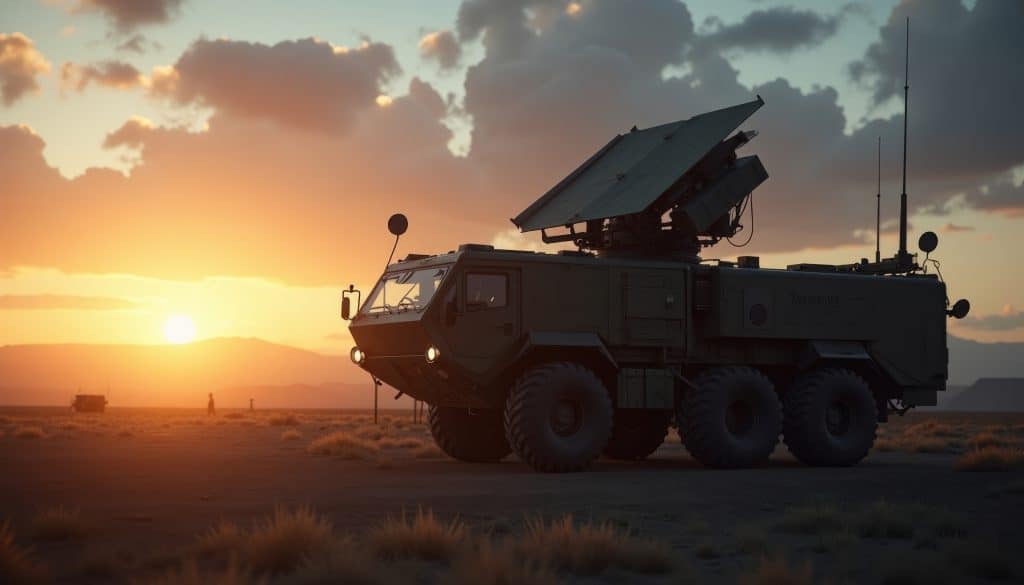
The ECO that should have taken three days and took three weeks – you know that story. The change that triggered a full re-quote, restarted the documentation trail, and stopped the program while everyone waited for a new lead time. Fathom’s revision control is built for programs that evolve. The change gets absorbed. The documentation gets updated. The engineering continuity holds. The program keeps moving.
Rapid Iteration When Stopping Isn’t an Option
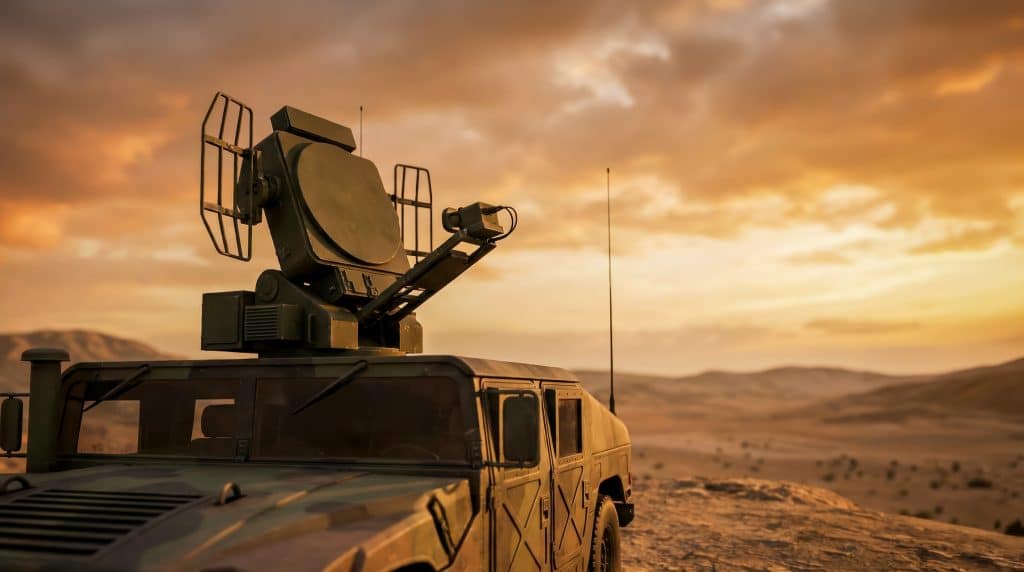
Defense programs are doubling. Safran Seats is in active NPI. The Collins integration is generating new part families faster than any supply chain anticipated. When your design needs another iteration – you need the part back in days, with the same engineering team who built the last revision and already knows where the critical features are. Not two weeks for a re-quote and a new setup. Days. An engineering extension that iterates in days when the design changes – then holds the line when the build scales. Because the program can’t stop waiting for a supplier to get up to speed on a drawing they should have read more carefully the first time.
Whatever the challenge. Whatever the revision. Whatever pressure the program is under right now – Fathom is the engineering partner that keeps it moving.
What a Manufacturing Partner Looks Like When It Actually Thinks Like an Engineer
Not a supplier who executes the drawing. One who understands why it’s on the drawing – flags what needs changing before the machine runs – and keeps your program moving from first drawing to last delivery.

DFM at the Quote. Not the Corrective Action.
The corrective action conversation always starts at the quote – when a supplier looked at a difficult feature and said nothing. At Fathom, that feature gets flagged before the setup is done. The tolerance gets reviewed before the machine runs. The DFM conversation happens where it costs nothing – not where it stops the program.
The Engineer Who Quoted It Is the One Who Builds It.
No handoff between a prototyping team and a production team. No moment where the engineer who understood your program is replaced by one reading the notes for the first time. The same Fathom engineer carries the knowledge from quote through first article through ramp. One documentation trail. One engineering relationship. Nothing that stops the program mid-transfer.

The Tolerance on the Print Is the Tolerance on the Part. Every Time.
AS9100D. ITAR registered. ISO 9001. Tight tolerances. Complex geometries. Programs where the print is unforgiving and stopping for a re-run isn’t an option. Fathom has held the line on exactly these programs – 98% OTD across aerospace and defense programs where the schedule had no room for a supplier who almost met the requirement. Because an engineer who reads your drawing the way you do understands that the tolerance isn’t a target. It’s what keeps the program moving.
Fathom Has Already Kept Safran Engineering Programs Moving
Two programs. Two different engineering pressures. One result – the part was right, the documentation passed, and nothing stopped.
RAM Air Turbine
Engineering Continuity Across a Rapid Iteration Cycle
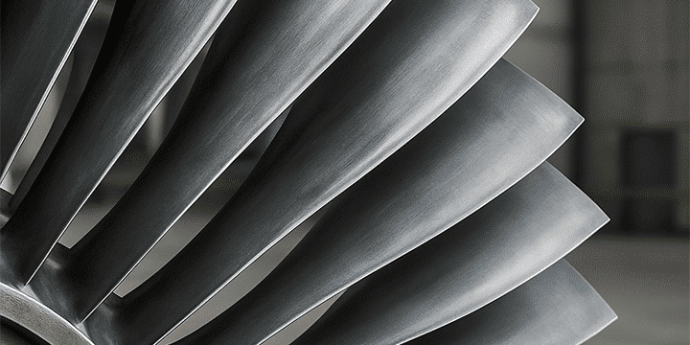
Safran’s RAT program needed hardware fast – mounting frames, covers, cable-routing brackets, and interface plates around a safety-critical emergency power system. The challenge wasn’t just speed. It was maintaining revision control and documentation integrity across an iteration cycle where changes were coming faster than a traditional supplier workflow could absorb. Fathom compressed prototype-to-test timing without losing the traceability thread. Every revision tracked. Every part documented. The program kept moving – and so did the FAI package.

Safran Seats
From First Prototype to Bridge Production Without the Gap That Stops Programs
Safran Seating’s NPI cycle moved fast – first prototype for design validation, then immediate bridge quantities as the design matured. The engineering challenge was the gap that normally opens between prototype and production: the new supplier who hasn’t read the revision history, doesn’t know why the tolerance is what it is, and finds out at first article what the previous team already knew. That gap stops programs. Fathom closed it. Same engineer. Same drawing knowledge. Same documentation standard. The program kept moving.
Certified to the Standard That Keeps Your Programs Moving.
AS9100D

ITAR Registered

ISO 9001
Send Us the Drawing Your Last Supplier Didn’t Read Carefully Enough.
A Fathom engineer will review it – tell you exactly what they see – and make sure nothing stops your program before the machine runs.
Tight tolerances. Complex geometry. A revision history that matters. A program that can’t afford to find out at first article what should have been caught at the quote.
That’s exactly the drawing Fathom was built for.
One conversation. One engineer who reads it the way you do. One partner who flags the issue before it costs you the schedule – holds the tolerance when it’s time to build – and keeps your program moving from first drawing to last delivery.
Which Program Is at Risk Right Now?
Tell us. We’ll show you exactly where Fathom fits.
Which Program Is at Risk Right Now?
"*" indicates required fields