The First Article Does Not Lie. It Tells You Exactly What the Supplier Did Not Do Before the Order Was Placed.

Engineering-Led Quoting

Complex Geometry Capability

Configuration-Managed Documentation
The Numbers Behind One Engineering Standard Across Every Program
Program metrics. The ones that determine whether the schedule holds, the first article clears, and the documentation is there when the parts arrive.
98%

25+

7

AS9100D


One Manufacturing Engine For Every Program Runs the Engineering Review the Other Supplier Skipped.
A real engineer reviews every job that comes into Fathom before the order is placed. Not an algorithm. Not a machinability checker. A technical review of geometry, tolerances, process fit, material selection, and manufacturability against the actual program requirements. DFM issues flagged before they become first article failures. Process chosen around the part. Documentation shipped standard on every order. The engineer who reviewed the job is accountable through first article approval – not just through shipment.
The machine runs the same engineering standard across CNC machining, sheet metal fabrication, and additive manufacturing. It reconfigures to what each program needs. The standard does not change as the program changes. Here is what that looks like in practice.
DFM and Geometry Review – With First Article Accountability
Every job reviewed for geometric complexity, tolerance stack-up, feature access, fixturing requirements, and process-specific manufacturability before the order is placed.
The DFM issue that would have shown up at first article gets caught here instead. The reviewing engineer is accountable through first article approval – if something surfaces during inspection, the same engineer who reviewed the job owns the resolution.

Process Selected Around the Part – Not the Platform
CNC, sheet metal, additive, or a combination – selected based on what the part needs, the tolerance requirements, the volume, and the program timeline.
No force-fit. No algorithm. No process mismatch discovered at first article on a program that cannot absorb the corrective action cycle.
Documentation Standard on Every Order
Inspection packages, serialized lot control, and receiving-ready paperwork built to your revision control requirements – standard, not optional. On a Bell government program or a Systems defense contract a part without proper documentation creates a downstream exposure the program cannot afford. It does not happen here.

Same Standard From Prototype to Production
The DFM review and documentation discipline that apply to the first Kautex prototype apply equally at Bell FLRAA production volumes.
Same partner. Same standard. No requalification.
The machine runs the same way at every volume because the standard is built into how it runs – not into a specific job.
The supplier architecture that skips the engineering review and discovers the problem at first article does not have to be the one still running on Textron programs.

One Machine. Every Technology Your Programs Are Generating Demand For.
Bell’s FLRAA ramp needs 5-axis CNC with government-ready documentation. Aviation’s certification cycles need fast ECO turns without sacrificing revision control. Systems’ government programs need traceability built into every order as standard. Kautex and Specialized Vehicles need prototype iteration speed with the dimensional discipline that makes each cycle count.
One machine covers the full breadth – without the engineering standard changing as the technology, volume, or program changes.
-
5-axis CNC for structural brackets, gearbox-adjacent housings, and production-intent machined hardware
-
3-axis CNC for mounts, brackets, plates, and machined installation details
-
Sheet metal fabrication for avionics racks, enclosures, access covers, and protective shrouds
-
Additive manufacturing for fixtures, tooling, ducting, and bridge parts
-
Hybrid builds where the program requires more than one process
The technology is matched to the requirement.
The engineering review runs before every order regardless of which technology the requirement lands in.


One Machine. Five Engineering Environments. Here Is How It Runs in Each One.
The programs are distinct. The requirement is the same – complex, low-volume hardware that has to be right the first time, documented to program standards, and on the schedule engineering set. The machine reconfigures to each program. The standard does not move.

Bell
FLRAA in EMD. $3B on the clock. 447,000 square foot plant planned for LRIP. The machine runs 5-axis CNC for structural brackets, gearbox-adjacent housings, and mission-equipment enclosures – DFM before the quote, engineering accountability through first article approval, configuration-managed documentation on every order.

Textron Aviation
Concurrent Gen2 and Gen3 certification cycles with no buffer for a first article that comes back wrong. The machine runs revision-sensitive installation brackets, avionics trays, drill guides, and service-center tooling from engineering change to shipped part – without the deprioritization a fragmented supplier base imposes on low-volume work.
Textron Systems
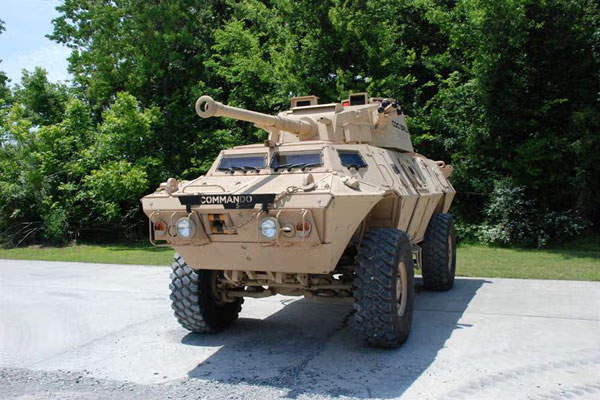
Government-adjacent programs where documentation discipline is not optional and traceability gaps create contractual exposure. The machine runs sensor mounts, sealed enclosures, chassis details, and validation fixtures for MMUSV, COMMANDO Select, and Damocles with inspection packages arriving with every part – controlled builds, serialized lot documentation, standard.
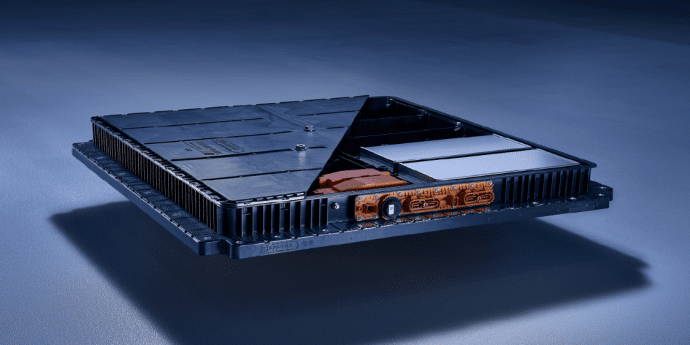
Kautex
Battery-housing program in the iteration window before design freeze. The machine runs fast-turn prototype and low-rate production on thermal-management brackets and enclosure interfaces – with the DFM review that makes each iteration count and catches the problem at quoting rather than confirming it expensively at prototype.

Textron Specialized Vehicles
Electric platform refreshes where every prototype iteration has to count before hard tooling is locked. The machine runs thin-gauge fabrication on formed panels, enclosure covers, and mounting brackets with the dimensional discipline that makes each cycle productive – same standard from prototype to low-rate production.
One Standard. Every Technology the Machine Runs.
The machine reconfigures to what the program needs.
The engineering review, documentation discipline, and quality accountability do not change as the technology, volume, or program changes.

Precision CNC Machining
3-axis and 5-axis CNC for structural brackets, gearbox-adjacent housings, mounts, and production-intent hardware. Complex geometries and tight tolerances are the baseline. DFM review before every order. Inspection packages on every delivery. The capability Bell, Aviation, and Systems programs are generating demand for right now – at the same engineering standard as every other technology in the machine.
Sheet Metal Fabrication
Avionics racks, access covers, sealed enclosures, and shrouds fabricated to spec. Thin-gauge capability for Kautex and Specialized Vehicles programs where dimensional control determines whether the prototype iteration counts. Installation-ready without rework. Documentation aligned to revision control on every order.
Additive Manufacturing
Fixtures, tooling, ducting, and bridge parts already running across Textron programs. The capability this relationship was built on – now one technology inside a machine that includes CNC and sheet metal fabrication at the same engineering standard.
Already Qualified for Every Program the Machine Runs
Disclaimer: Certifications vary by facility. Contact us to confirm coverage for your specific program requirements.
AS9100D

ITAR Registered

ISO 9001
The Machine Is Already Running Inside Textron Engineering Programs
Four business units. Confirmed deliveries across additive tooling, fixtures, prototype hardware, and repair components.
The engineering relationship is established. The quality track record is documented.
This is where the machine runs deeper – into CNC machining and fabrication at the same standard.

Textron Aviation
Tooling, jigs, and fixtures (additive)
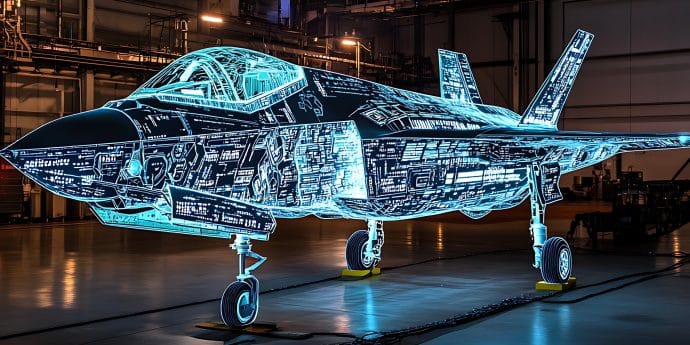
Bell Flight
Prototype components, jigs, and fixtures (additive)

Textron Systems
Ground test equipment (additive)

Able Aerospace
Replacement cages (repair components)
The Engineering Review That Prevents the Schedule Impact Happens Before the Order. The Supplier Who Skipped It Already Cost You One.
A Fathom engineer reviews it directly – not an algorithm, not an auto-quote.
Bell’s FLRAA integration events do not move for a supplier who missed the DFM issue on a $3B program. Aviation’s Gen3 certification window has no buffer for a first article that comes back wrong. Systems’ government delivery commitments do not absorb a traceability gap where the second chance is not in the contract. Kautex’s iteration window closes on a fixed timeline – the cycle the supplier wasted is a cycle the design window did not have. Specialized Vehicles’ tooling decisions are coming – a wasted prototype iteration is one the window did not have to spare.
One Manufacturing Engine For Every Program runs the engineering review before every order across every one of those programs. Send the requirement. A Fathom engineer reviews the geometry, tolerances, and process fit before the quote goes out. The same engineer is accountable through first article approval.