
Anatomy That Feels Real Under the Needle Is Our Kind of Problem
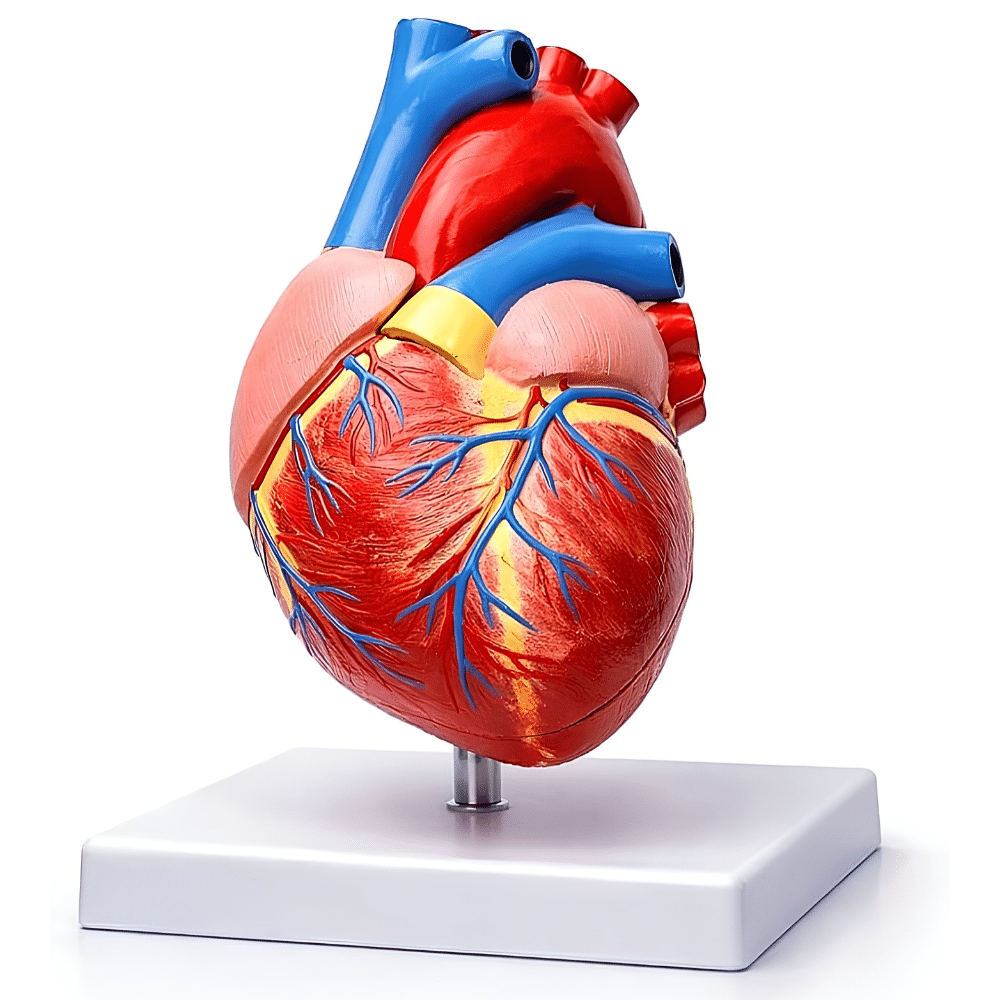
Mold Life, Durometer Targets and Parting Lines Are Our Idea of a Good Afternoon
Every new pathology, body size and skin tone needs its own master and mold set, and soft molds wear out long before steel tooling would pay for itself. When that happens, the artisans who make a model feel real end up trimming flash and repairing tools.
Bring us a master, a worn-out mold or a frame that keeps changing, and our engineers will look at parting lines, draft and durometer targets before anyone issues a price. If you already know what you need, you can request a quote right now.
-
Anatomical Education Models: Printed masters, multi-part models and stands for catalog SKUs.
-
Task Trainers and Consumables: Molds for skin pads and veins, plus the bases and fittings around them.
-
Patient Simulators: Frames, enclosures, pump housings and carts, plus spares for the installed base.
-
Surgical, Device and Phantom Hardware: Trainer frames, flow-loop hardware, phantom housings and printed anatomy.
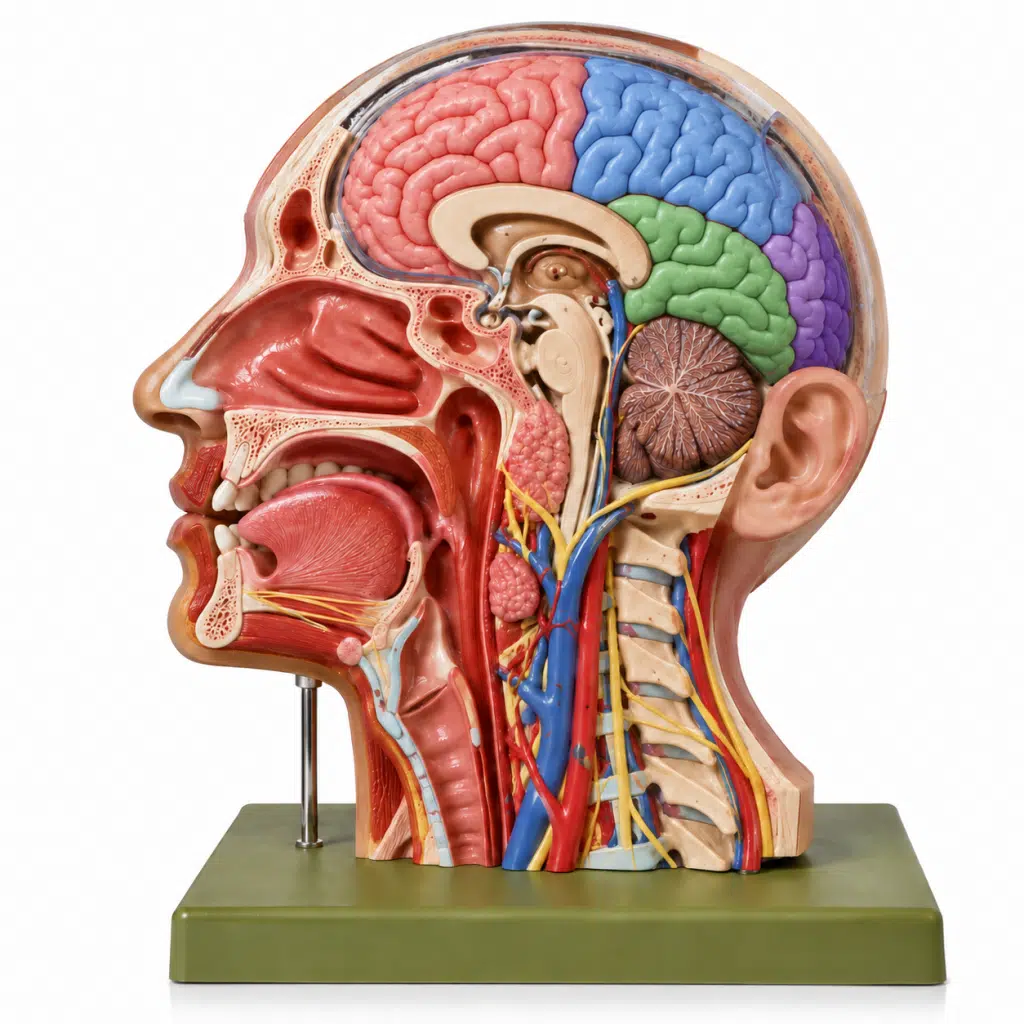
Nothing Beats a Mold That Pulls Clean and a Skin That Feels Right
Most suppliers offer a choice between fast printed parts with thin documentation and well-documented tooling that takes a long time to get started. Low-volume catalogs rarely suit either, so we help you match each SKU to the process its volume actually justifies.
Here’s what we bring to the table:
-
Domestic manufacturing: A U.S. path for new and tariff-exposed models, with a global option later.
-
Design review before the quote: Our engineers advise on parting lines, draft and durometer while changes are still cheap.
-
30+ technologies: Printing, casting, molding, machining and finishing under one team, across 10 U.S. locations.
-
A named team: One program contact and same-day engineering access.
Your Expert Medical Instructional Aid Team

Pamela Melton-Arroyo
There’s Real Medical Manufacturing Experience Behind These Models
Our teams have built precision components for medical device makers such as Stryker, Medtronic, Philips and GE Healthcare, across robotic surgery, patient monitoring, wound therapy and orthopaedic instruments.
Instructional aids need the same repeatable materials, controlled revisions and documented inspection, whether they teach a procedure or support a device launch.
We’d welcome the chance to bring that discipline to your catalog.

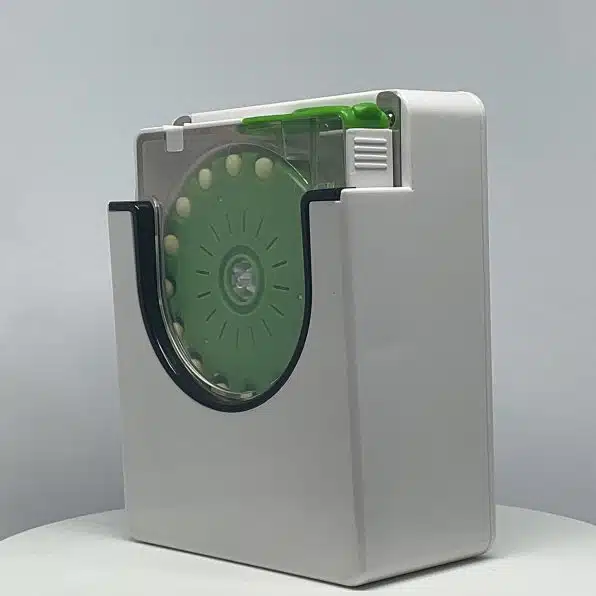
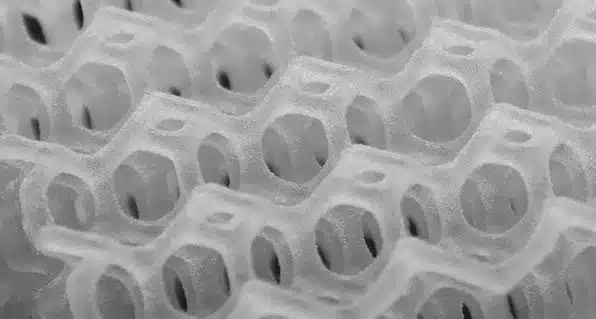
Medical Expertise in Action
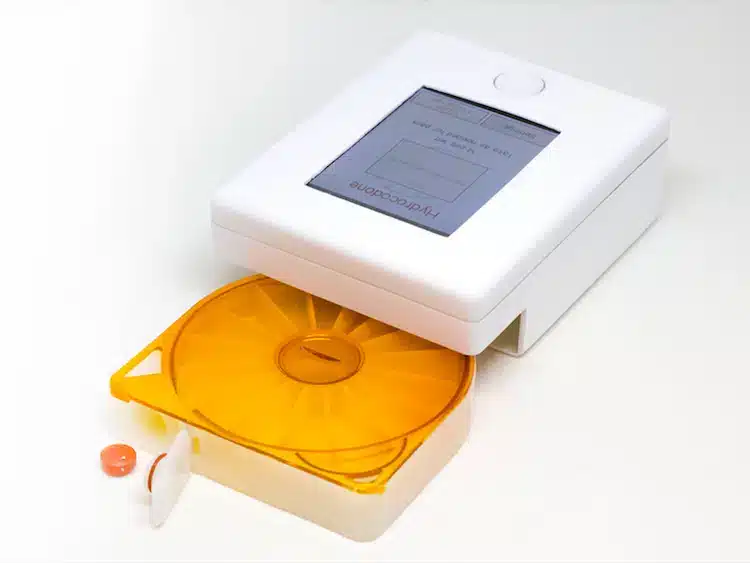
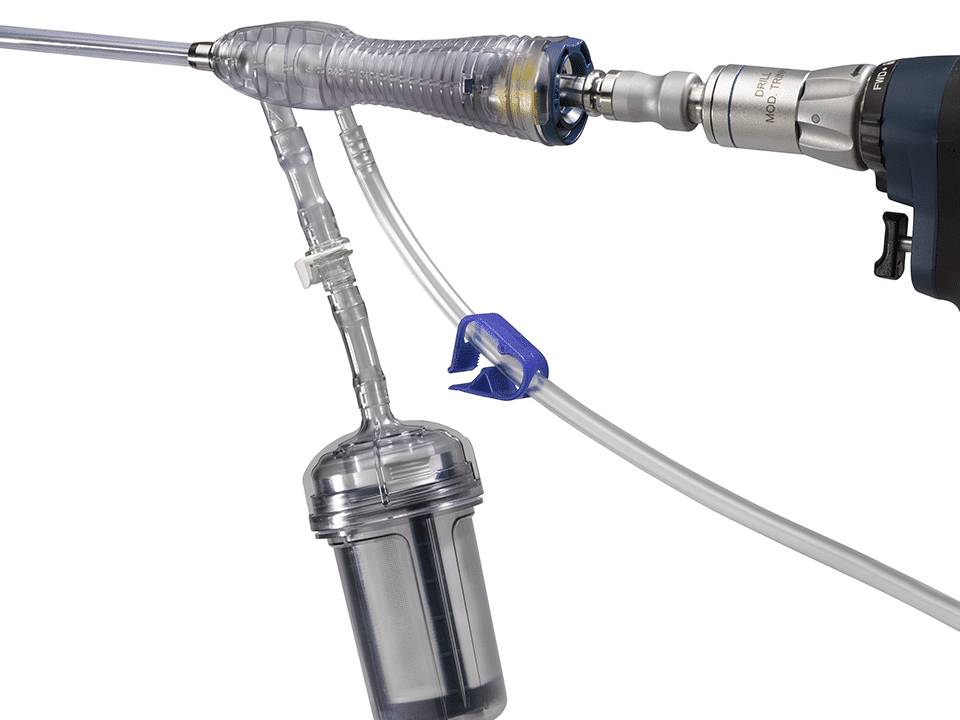
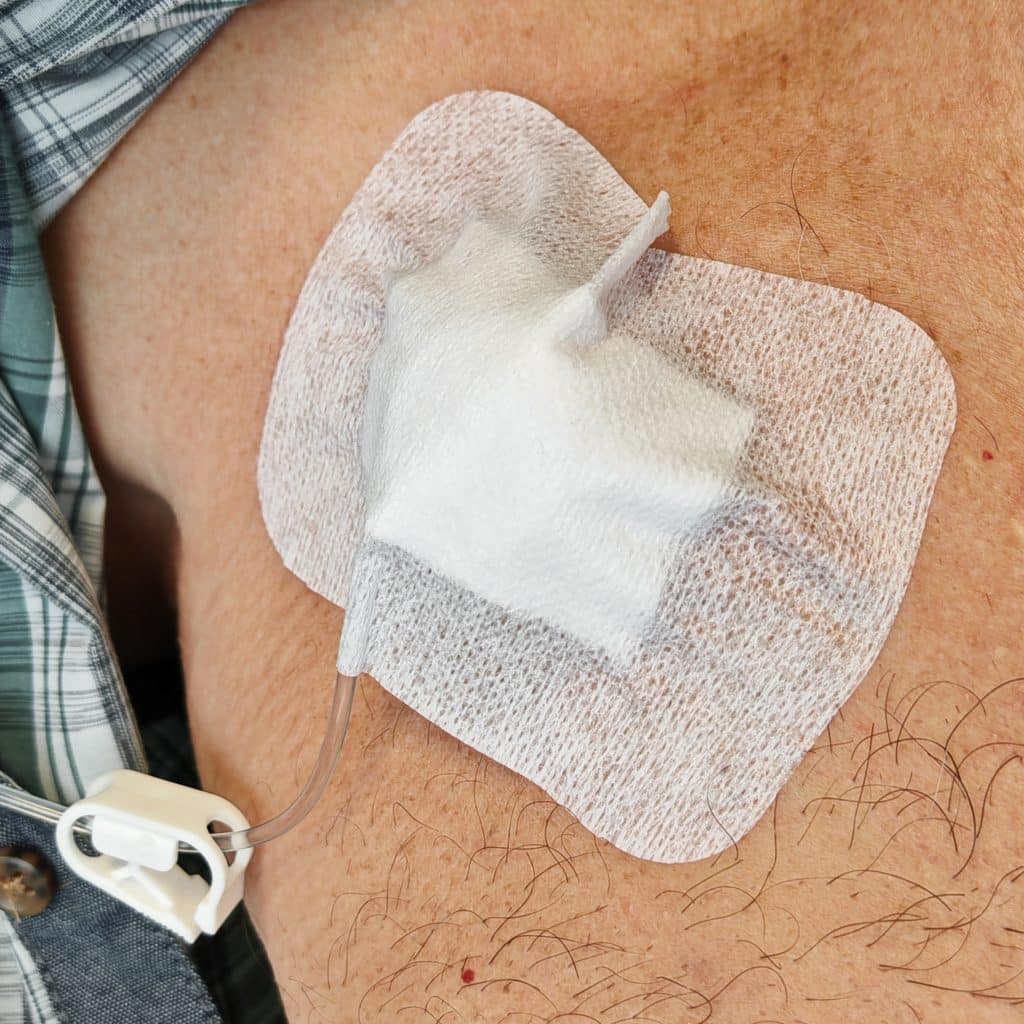
Additive Manufacturing for Medical Parts
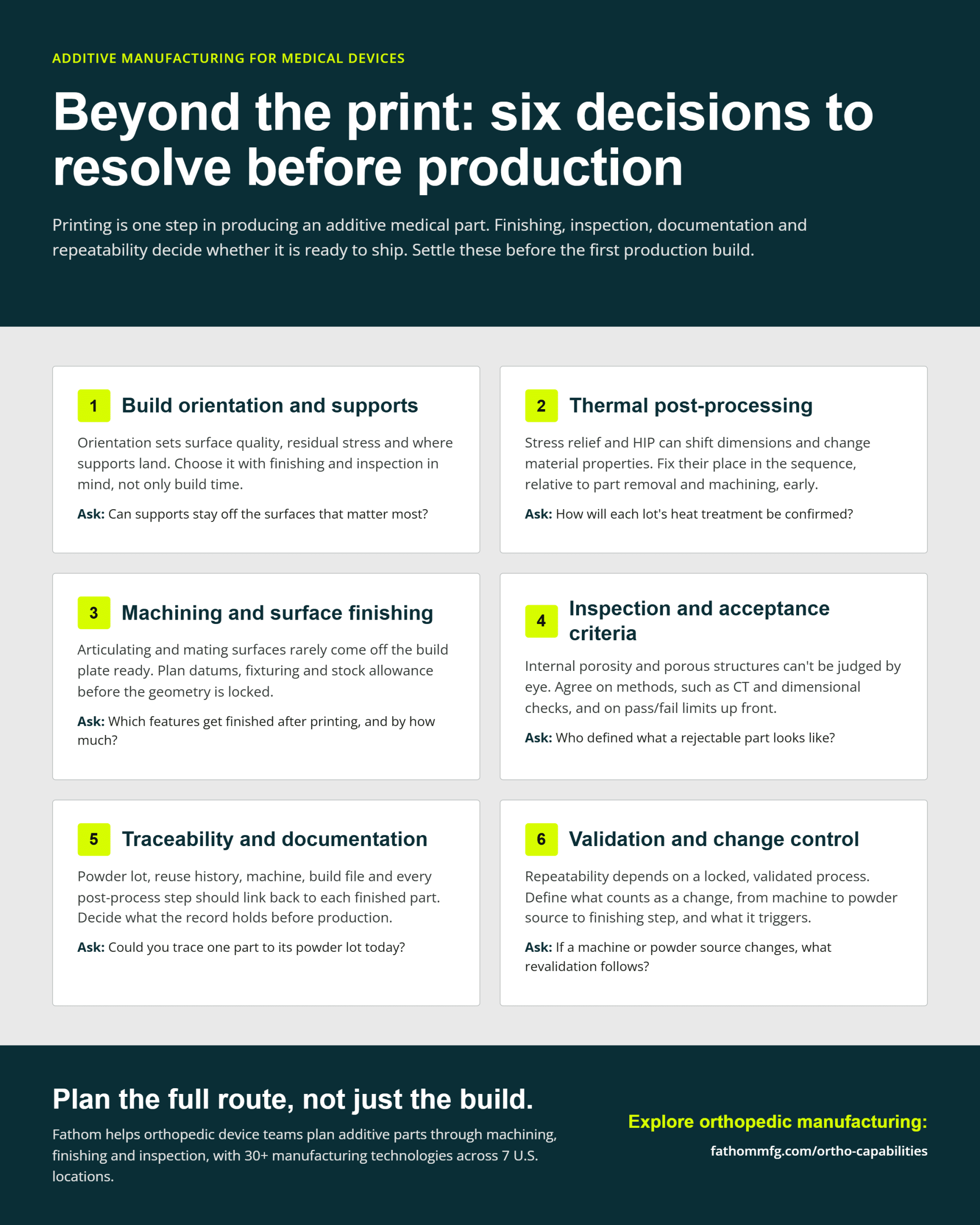
6 Decisions You Must Make Before Production
Printing an additive metal part for a medical application is only the first step. Decisions you make regarding finishing, inspection and documentation determine whether it’s ready to ship. Here are six questions you must ask prior to production.

A Catalog of Hundreds Starts With One Great Master
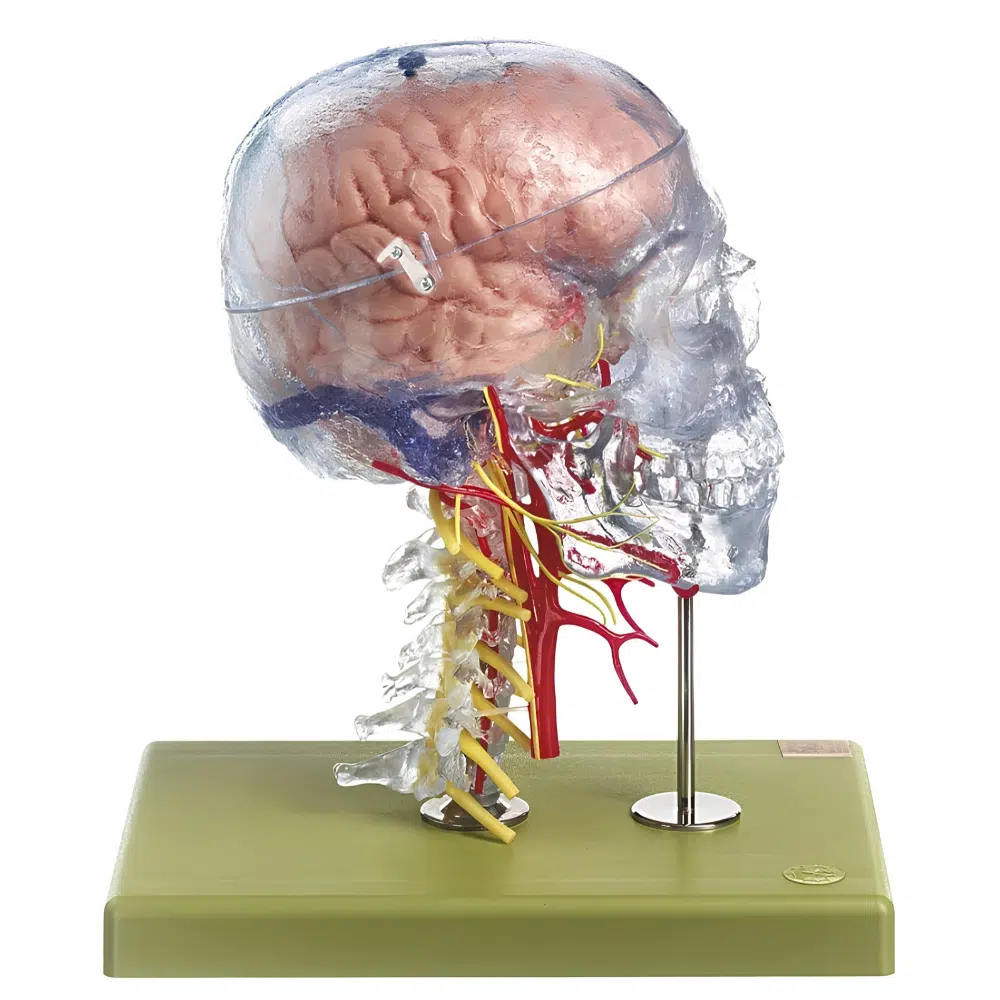
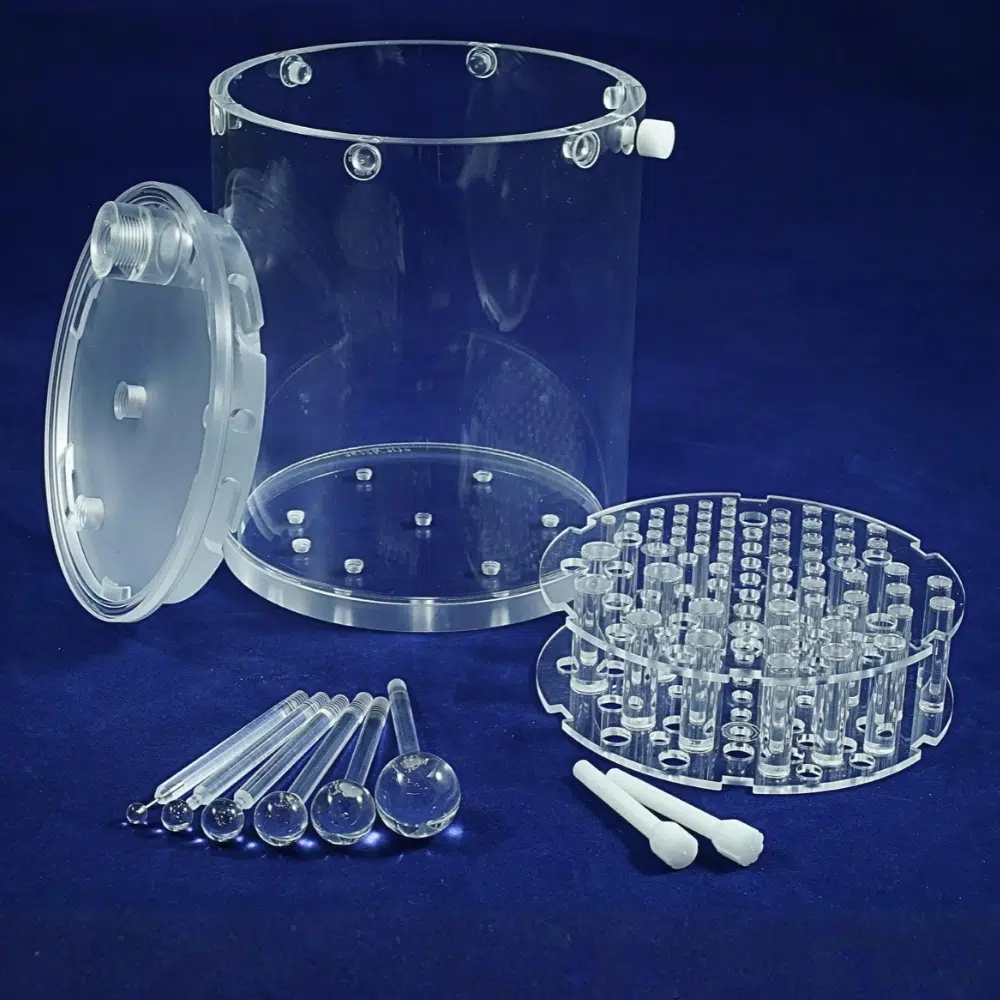
Education catalogs run to hundreds of hand-painted, multi-part SKUs, and much of that production carries a tariff and an ocean crossing. We’d gladly build the masters, multi-part models, stands and replacement parts that let new SKUs ship from the U.S.
Consumable Skins Depend on Molds That Last
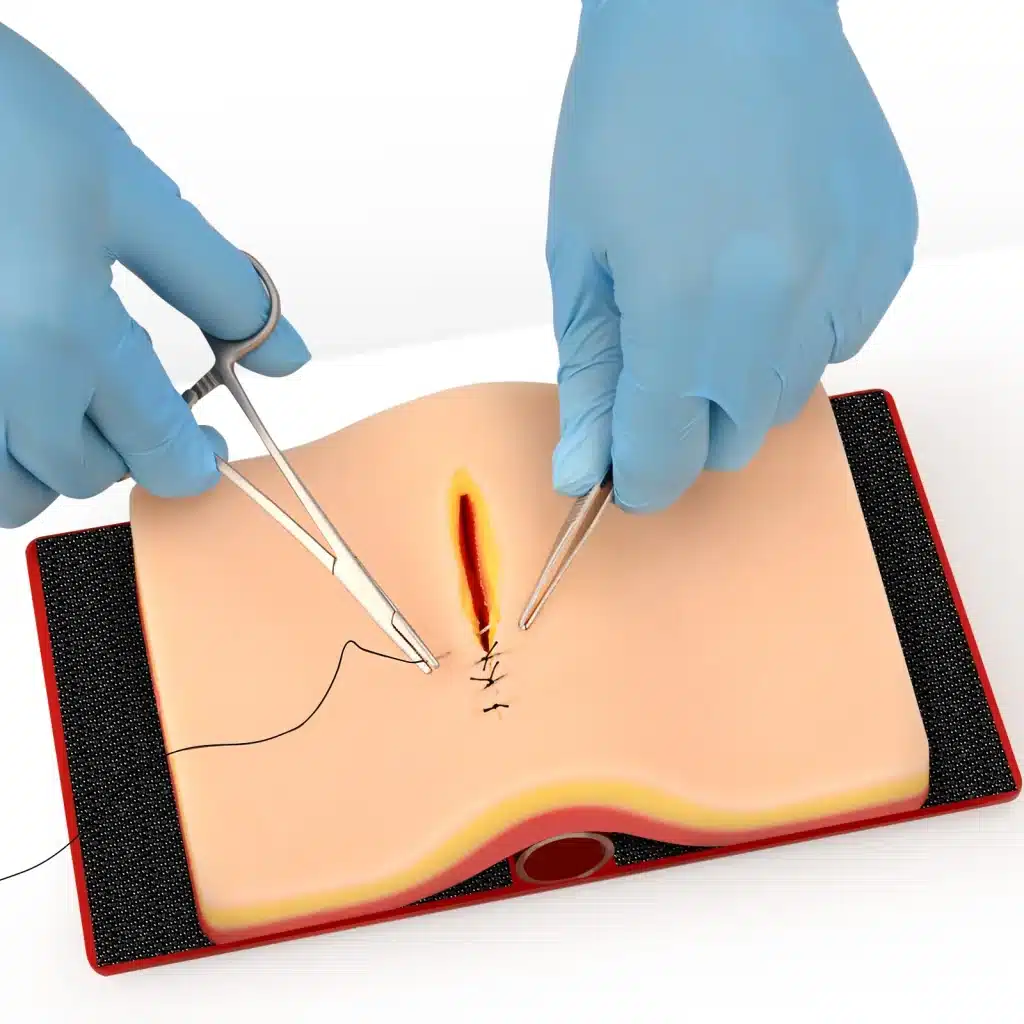
Skins, veins and pads wear out under needles and sutures, so mold life decides whether a reorder ships before the next cohort. We’d enjoy making the printed and machined molds, tubing assemblies, airway heads, bases and fittings behind every trainer.
Simulators Get Interesting Where Soft Skin Meets Hard Mechanics
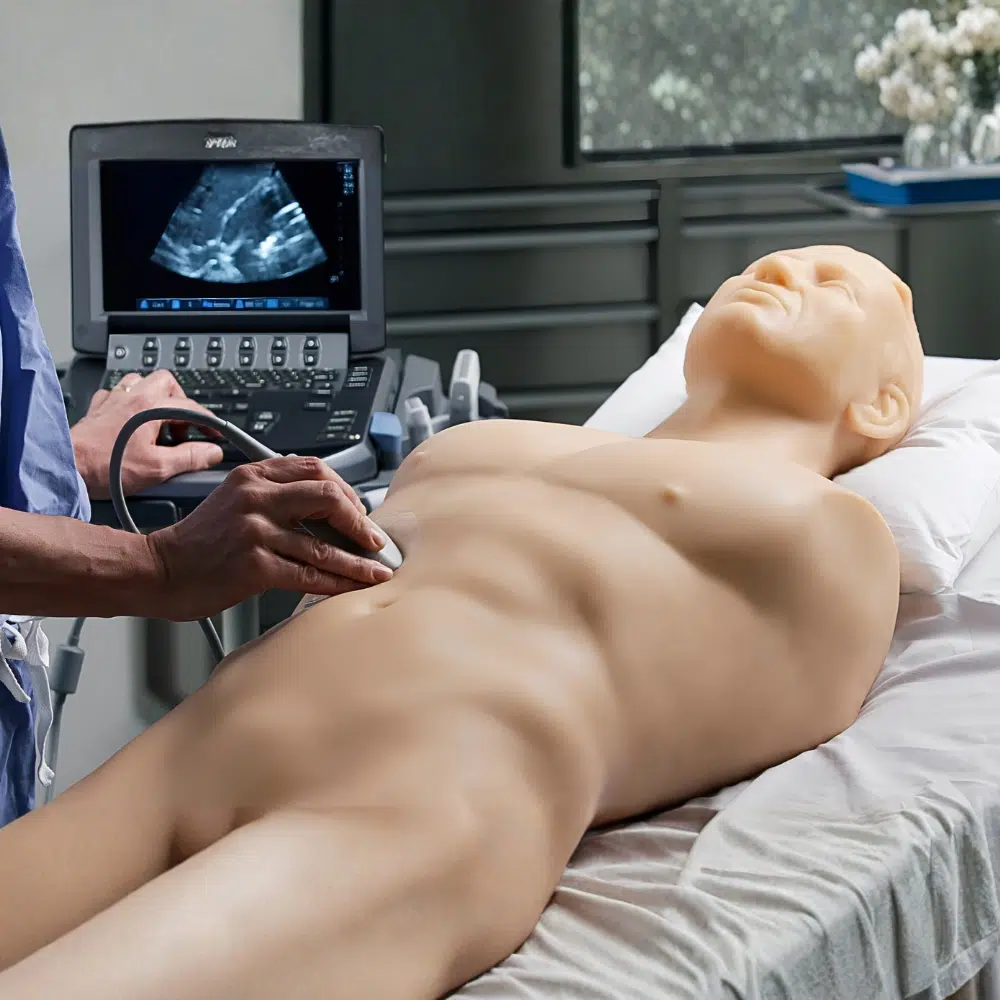
Manikins marry soft skins to frames, pumps and enclosures, built in tens or hundreds and supported with spares for years. That mechanical layer is work we look forward to: chassis, joint hardware, enclosures, carts and spares.
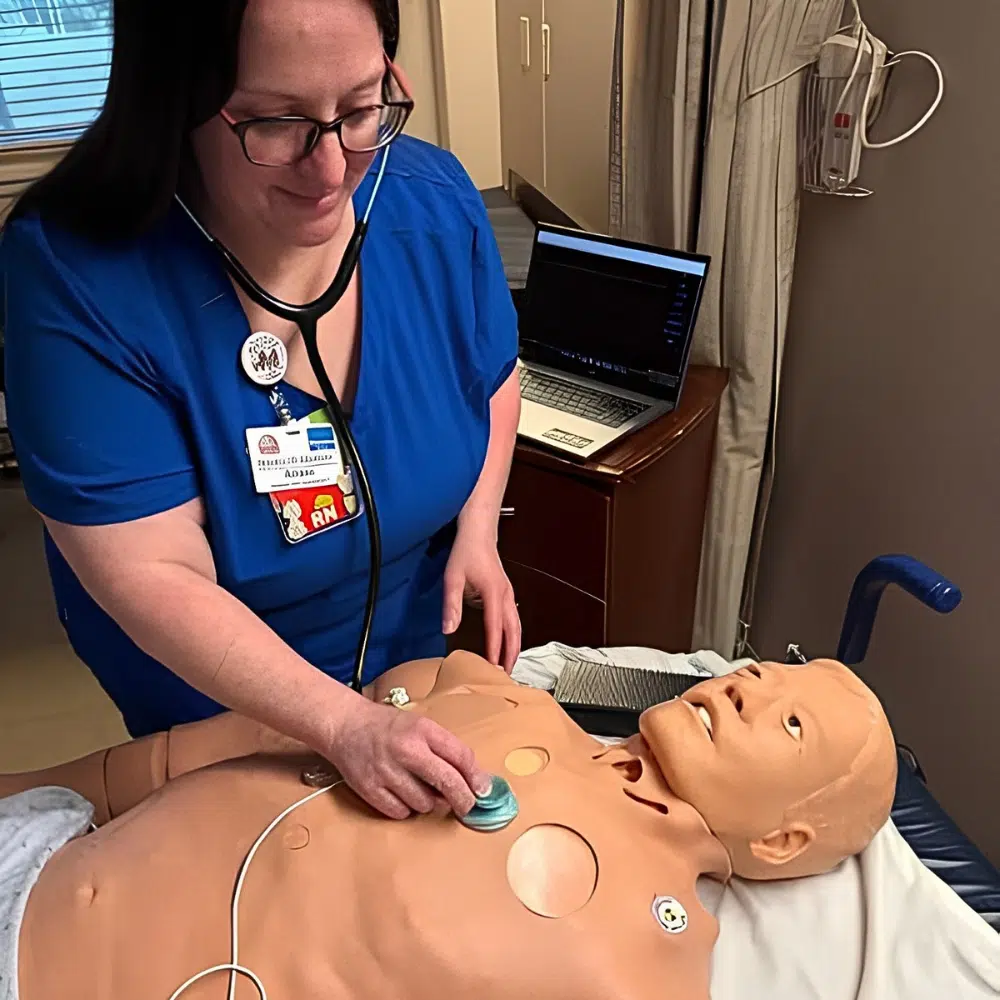
Every New Robotic Platform Calls for New Dry-Lab Models
Each new robotic platform or laparoscopic technique brings fresh model requirements, and trainer hardware has to fit the instruments exactly. We’d enjoy making the printed organ models, cast-tissue molds, box-trainer frames, docking fixtures and instrument replicas to match.
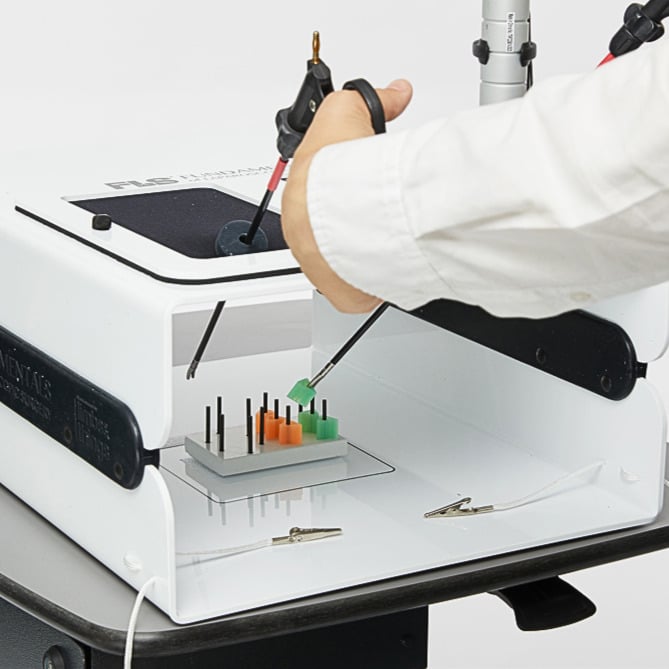
A Full Print Lab Shouldn’t Mean a Missing Model
Planning models are needed within days, and demand spikes just when in-house print labs run short of capacity. We’d be glad to handle overflow for non-diagnostic planning and education models, from multi-material organs to clear cardiac and bone models.
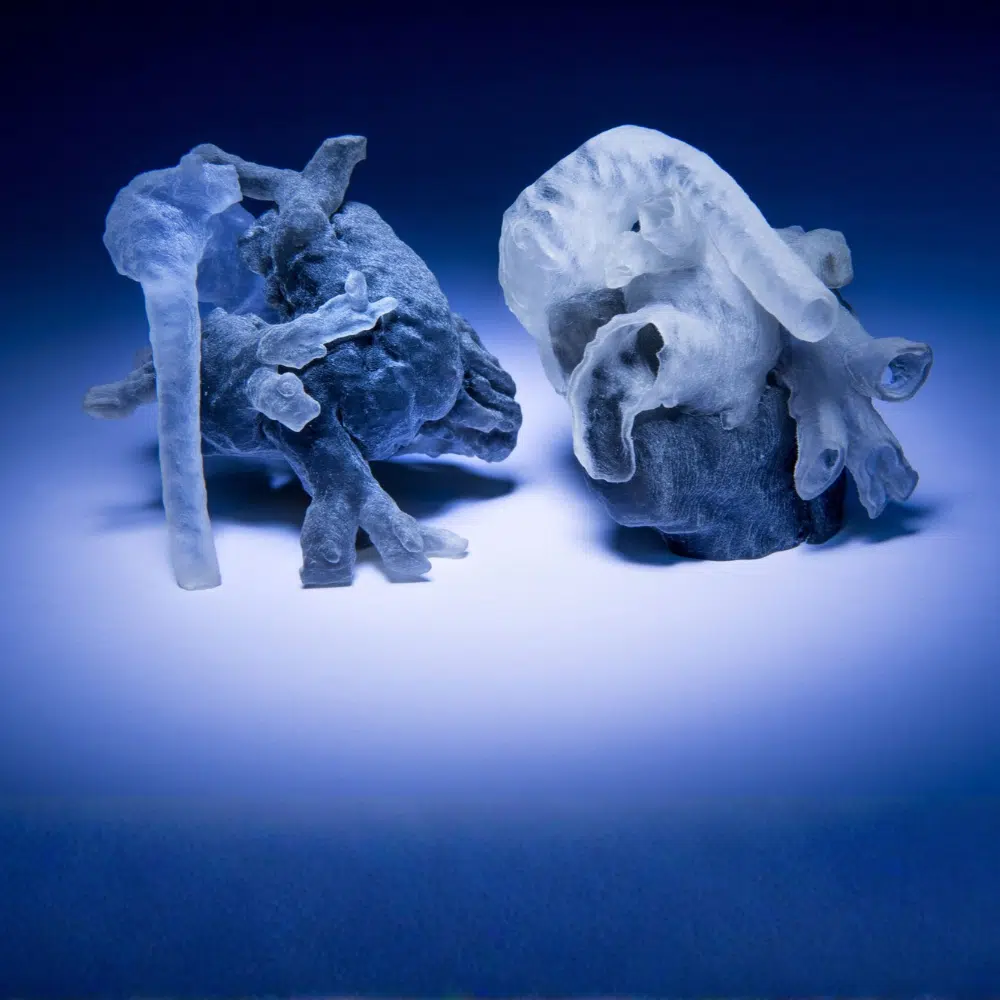
Launch Day Needs Realistic Anatomy in Every Training Room
Every structural heart, neurovascular or robotics launch needs its own bench-test and physician-training anatomy, ready before the first training wave. We’d happily make the flow-loop hardware, vessel phantoms, test fixtures, demo stands and transport cases around those models.
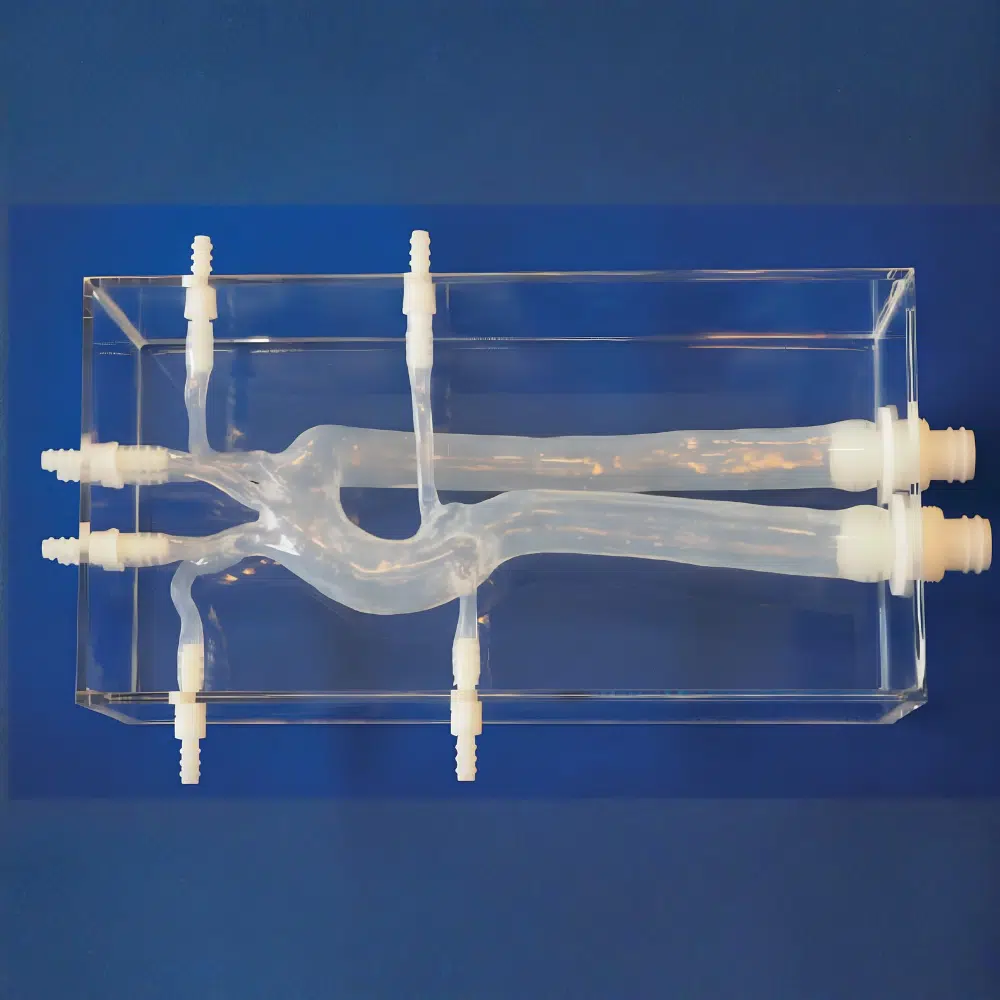
Phantoms Earn Trust One Calibration Run at a Time
Phantoms are precision instruments built in small numbers, so a leaking housing or drifting grid affects every run after it. We take real satisfaction in housings, insert holders, etched grids and anatomical inserts delivered with traceable inspection data.

3,500+

30+

100+

ISO 13485:2016
Fathom Edgeworks: Built to Support Instructional Aid Programs
Our global sourcing solution, Fathom Edgeworks, provides instructional aid manufacturers with access to an extended network of U.S. sourcing options through one accountable Fathom team.
Our domestic manufacturing capabilities are built to support instructional aid programs, from prototyping through validation to recurring production. That includes everything from master patterns and molded bases to trainer housings, consumable inserts and support hardware, all matched to the right U.S. source.
For parts that aren’t limited to U.S. sourcing, Edgeworks also offers overseas options for cost- or time-sensitive needs, including injection molding through our global partner network.
Ready to see numbers? Use our auto-quoting tool.

What Every Medical Instructional Aid Engineer, Program Manager & Procurement Manager Gets With Fathom
We Complement Your Craft
We supply the manufacturing layer around your formulations and artistry.

Domestic Options for Exposed SKUs
10 U.S. locations give urgent and tariff-exposed models a domestic path.
Quality Evidence With the Shipment
Material certification, dimensional reporting, lot control and revision arrive with the parts.

DFM Before the Quote
Engineers advise on parting lines, mold life and durometer before pricing is issued.

Prototype to Bridge to Repeat
One team and one documentation thread cover development models through repeat orders.
Specialty Processes In House
Most painting, finishing, kitting and assembly happens in house.