Wound Therapy Device Launch Support
-

CLIENT
Advanced Wound Management OEM
-

INDUSTRY
Medical
-

CAPABILITY
Engineering & Design Support, Injection Molding, Additive Manufacturing, CNC Machining, Sheet Metal Fabrication, Finishing, Assembly, Bridge Production

Faster pilot-build response

Cleaner production transfer

Reduced tooling risk
Keeping Wound-Therapy Device Accessories on Schedule
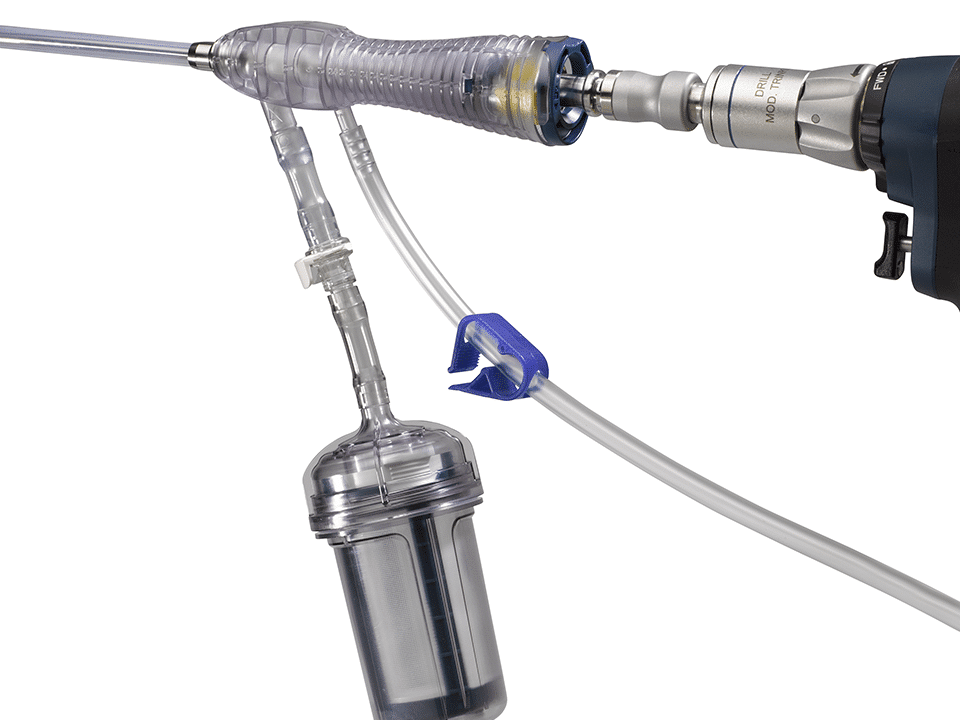
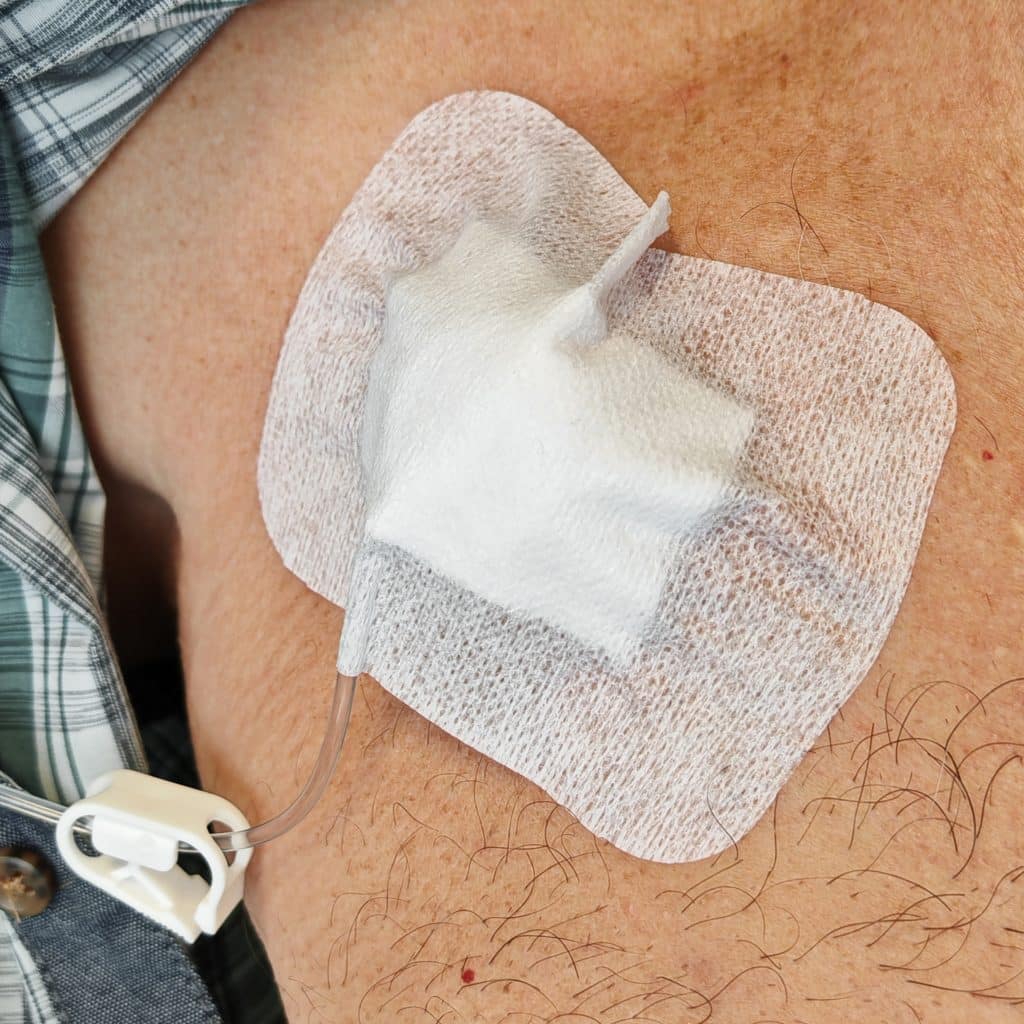
A leading wound-care OEM was expanding its negative-pressure therapy ecosystem around single-use and traditional NPWT products. That created pressure on the supporting mechanical layer: molded pump housings, clips, tubing-management features, canister interfaces, charger and dock details, packaging inserts, training hardware and test fixtures. The customer needed a manufacturing partner that could turn quick revisions into reliable pilot-build components without locking into hard tooling before the design and validation plan were ready.
The Problem
-
Wound-therapy devices sit at the intersection of patient-facing usability and clinical reliability.
-
Housings, clips, docks, tubing routes and packaging details have to feel intuitive for caregivers and patients, hold up through handling, and support leak-check, assembly and usability validation.
-
For this OEM, the challenge was not to mass-produce the mature device immediately. It was keeping changing device and accessory content moving while NPI teams evaluated designs and prepared for transfer.
-
Traditional mold tooling would create cost and schedule risk too early, while internal teams and core suppliers were focused on validated production.
-
The result was a familiar launch gap: too many pilot-build parts, fixtures and packaging changes to manage with long lead times.
The Solution
Fathom acted as a fast, coordinated extension of the customer’s engineering and operations teams.
Hartland, WI supported rapid tooling, injection-molded pilot housings, additive prototypes, finishing and light assembly for device accessories and usability studies.
Round Rock, TX provided CNC prototypes, fixture hardware and close-to-Fort Worth response for engineering feedback.
Denver, CO and Ithaca, NY produced sheet-metal carts, brackets, enclosure plates and assembly fixtures.
Fathom’s global network offered urethane prototypes and scalable molded production options after design freeze.
This multi-site approach gave the customer a controlled path for pilot builds, validation fixtures and bridge tooling. Rather than force production suppliers to absorb design churn, Fathom helped isolate the most iterative mechanical content and move it forward with better speed, manufacturability feedback and documentation.
The Results
-
With Fathom handling revision-heavy wound-therapy device accessories and supporting fixtures, the customer tested patient-facing components and packaging more quickly, without prematurely committing to hard tooling.
-
Engineering teams could close changes faster, operations teams gained a clearer path from Fort Worth pilot activity to validated production, and launch stakeholders had more confidence in fit, feel and workflow readiness.
-
The project created a smoother bridge from design iteration to production transfer. It showed how Fathom could support Advanced Wound Management programs where speed, usability, tooling discipline and documentation all matter.