We Build the Precision Parts Your Medical Instruments Depend On
Your Instrument Is Only as Fast as Its Slowest Supplier
A wristed robotic instrument or a laparoscopic grasper can pull a turned shaft, a micro-machined jaw, an etched flat spring and a molded housing from four different shops. When a surgeon asks for a change, that ECO has to clear every one of them before your verification build can move, and the documentation has to catch up behind it.
Fathom puts that content under one engineering team. Swiss turning, 5-axis CNC, EDM, photochemical machining, sheet metal, molding, additive, finishing and light assembly run across seven U.S. facilities, so your precision instrument parts are reviewed for manufacturability before the quote, built fast and shipped with the material certs, dimensional reports and lot traceability your quality team needs. Centex by Fathom, our precision CNC facility in Austin, TX, is ISO 13485:2016 certified.
-
One team for the whole instrument.
Shafts, jaws, flat parts, housings and the fixtures that check them come from one partner. Revisions close in one place instead of four.
-
A domestic second source for exposed families.
Add a U.S. option for instrument families that trace back to a single overseas supplier. Global sourcing through Fathom Edgeworks stays available once designs stabilize.
-
Evidence that ships with the lot.
Material certs, dimensional reports, lot control and revision history arrive with the part. Your supplier file is ready before an auditor asks for it.
-
Designed for the volume process on day one.
Prototypes, bridge lots and production tooling are planned together. Single-use and hybrid conversions don’t force a redesign after validation money is spent.
Your Expert Medical Instrument Team

Pamela Melton-Arroyo

Sam Myers
Your Instrument Revisions Close With One Team Instead of Four
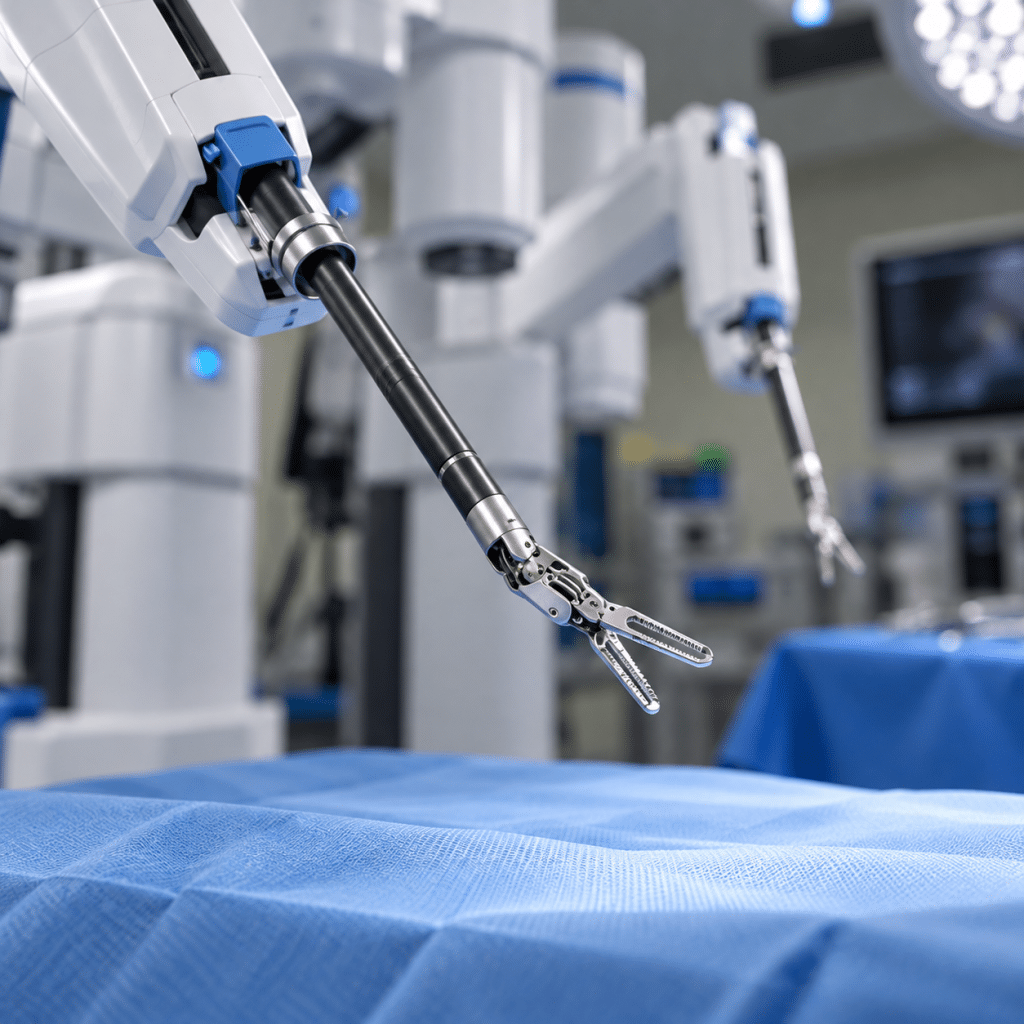
Every new soft-tissue robotic platform needs its own instrument and accessory ecosystem on its own launch clock, and each wristed instrument pulls micron-level parts from several processes. Fathom builds instrument shafts, wrist clevises and pulleys, cable guides, jaw inserts, drive disks, interface housings, sterile adapter components and cannula and obturator parts for development, verification and bridge builds.
-
Shafts and micro-turned details: Instrument shafts, pulleys, pins and cable guides from precision Swiss turning in Elk Grove, IL.
-
Certified precision machining: Clevises, jaw inserts and interface parts from Centex by Fathom, our ISO 13485:2016 certified CNC facility in Austin, TX.
-
Thin and flat wrist parts: Burr-free flat springs, shims and thin wrist details from photochemical machining in Newark, NY.
-
Housings and prototype geometry: Drive disk housings, molded and overmolded components and metal additive wrist prototypes from the Fathom facility in Hartland, WI.
Surgeon Feedback Becomes a Better Instrument Before the Next Evaluation Lab
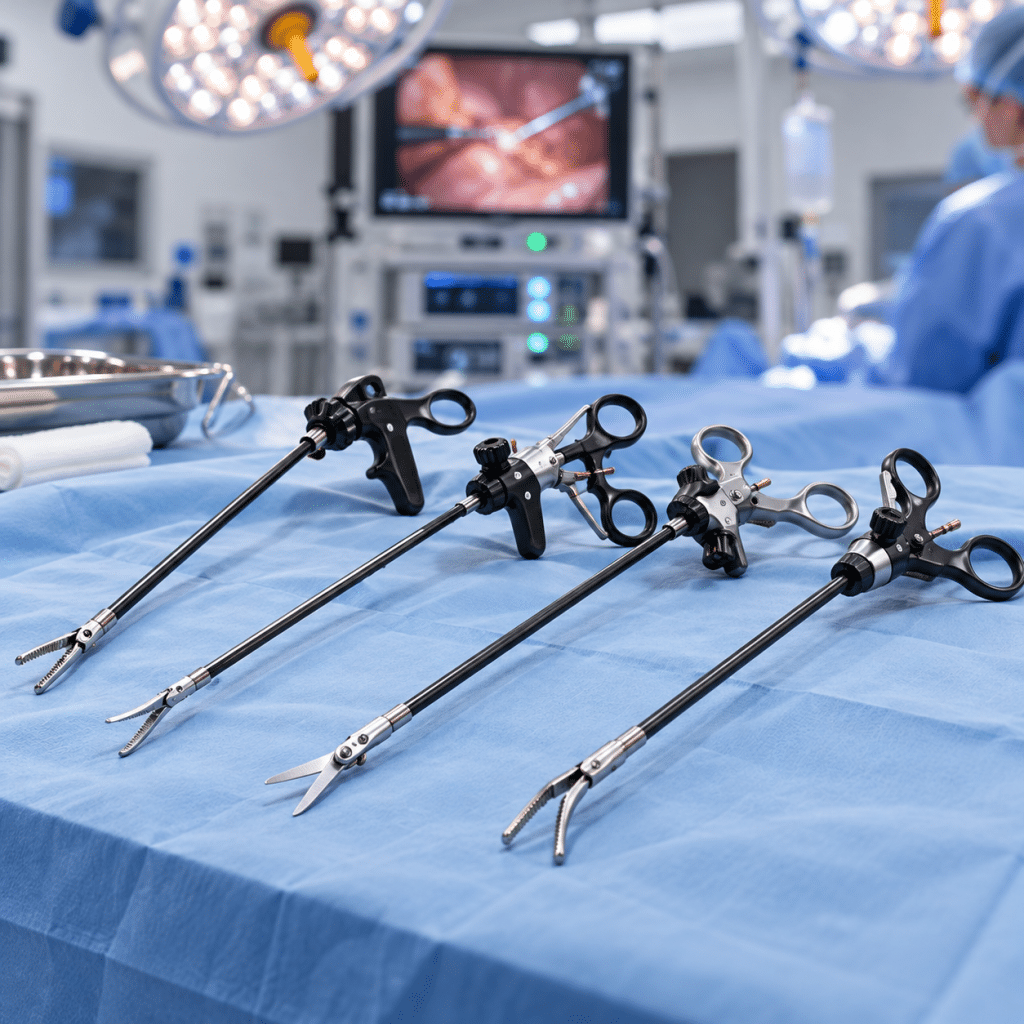
MIS instruments pair long precision shafts and small jaw mechanisms with ergonomic handles, and surgeon-driven iterations keep them changing right up to launch. Fathom builds insulated and non-insulated shafts, push rods, clevises, jaw inserts, rotation knobs, ratchet handles and housings, trocar and cannula components, reducer caps and seals.
-
Long-shaft precision: Shafts and push rods held to tight straightness and concentricity from precision turning in Elk Grove, IL.
-
Jaw and handle mechanisms: Clevises, jaw inserts and ratchet details from precision CNC machining in Austin, TX and Minneapolis, MN.
-
Fast ergonomic iteration: Additive handle models and urethane-cast evaluation parts from Hartland, WI, so surgeon feedback turns into the next revision quickly.
-
Molded production parts: Rotation knobs, handle housings and overmolded grips through injection molding in Hartland, WI, with a path to volume as programs ramp.
Your Critical Instrument Families Have a Second Source Before the Next Tariff Notice
Many reusable stainless instruments trace back to a few overseas clusters and a single supplier per family, while steel derivatives now carry steep duties and device-specific tariff action is still pending.
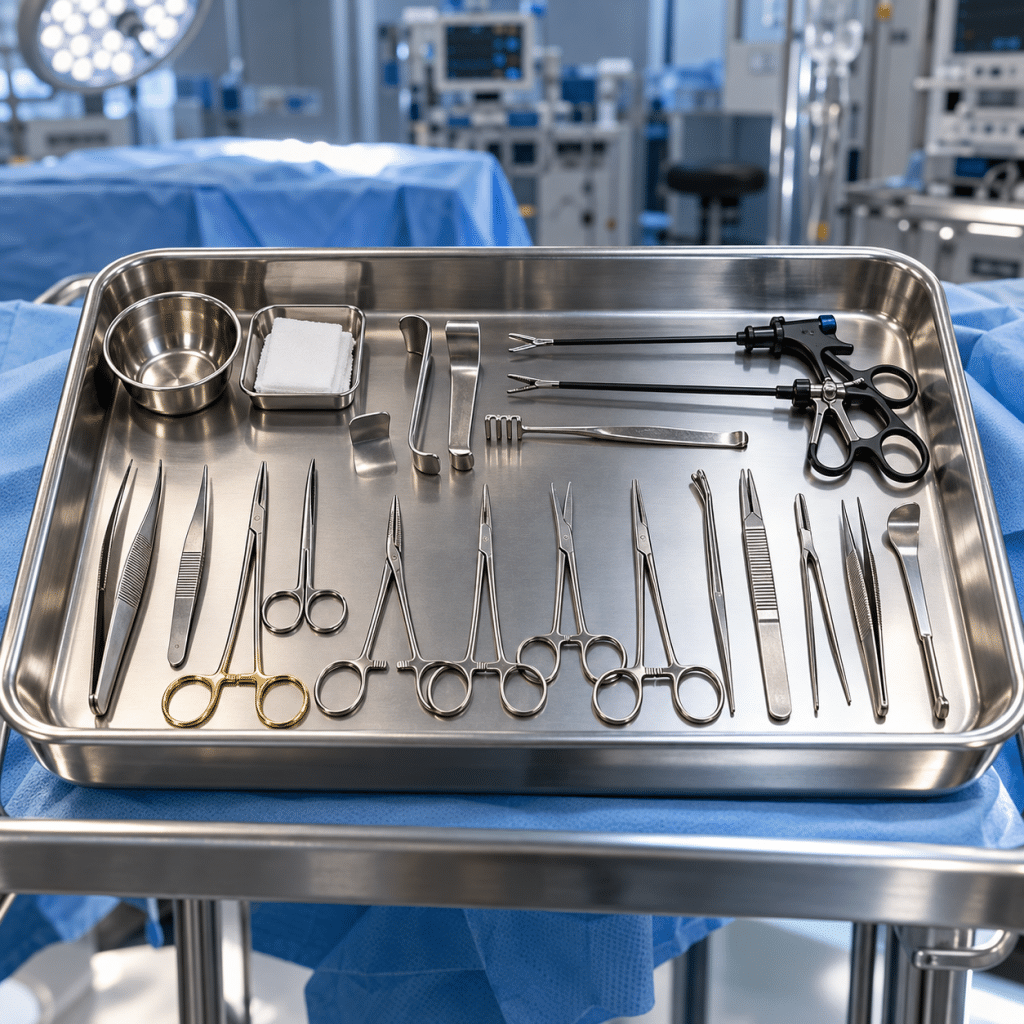
Fathom gives OEMs a domestic option for specialty neuro, ENT, cardiovascular, micro and orthopedic instruments, including forceps and needle-driver components, clamp jaws, box-lock and ratchet details, retractor blades and frames, scissor blanks, rongeur and curette components, handles, pins and screws.
-
Pins, screws and turned details: Small turned components and hinge details from precision turning in Elk Grove, IL.
-
Jaws, blades and box-locks: Clamp jaws, retractor blades and box-lock details from Centex by Fathom, our ISO 13485:2016 certified CNC facility in Austin, TX, and precision CNC machining in Minneapolis, MN.
-
Flat springs and thin details: Burr-free springs and thin instrument details from photochemical machining in Newark, NY, with no stamping tool to build or change.
-
Evidence for every lot: Material certs, hardness verification, dimensional reports and lot traceability, with passivation and finishing coordinated to your specification and UDI direct-marking locations reviewed in DFM.
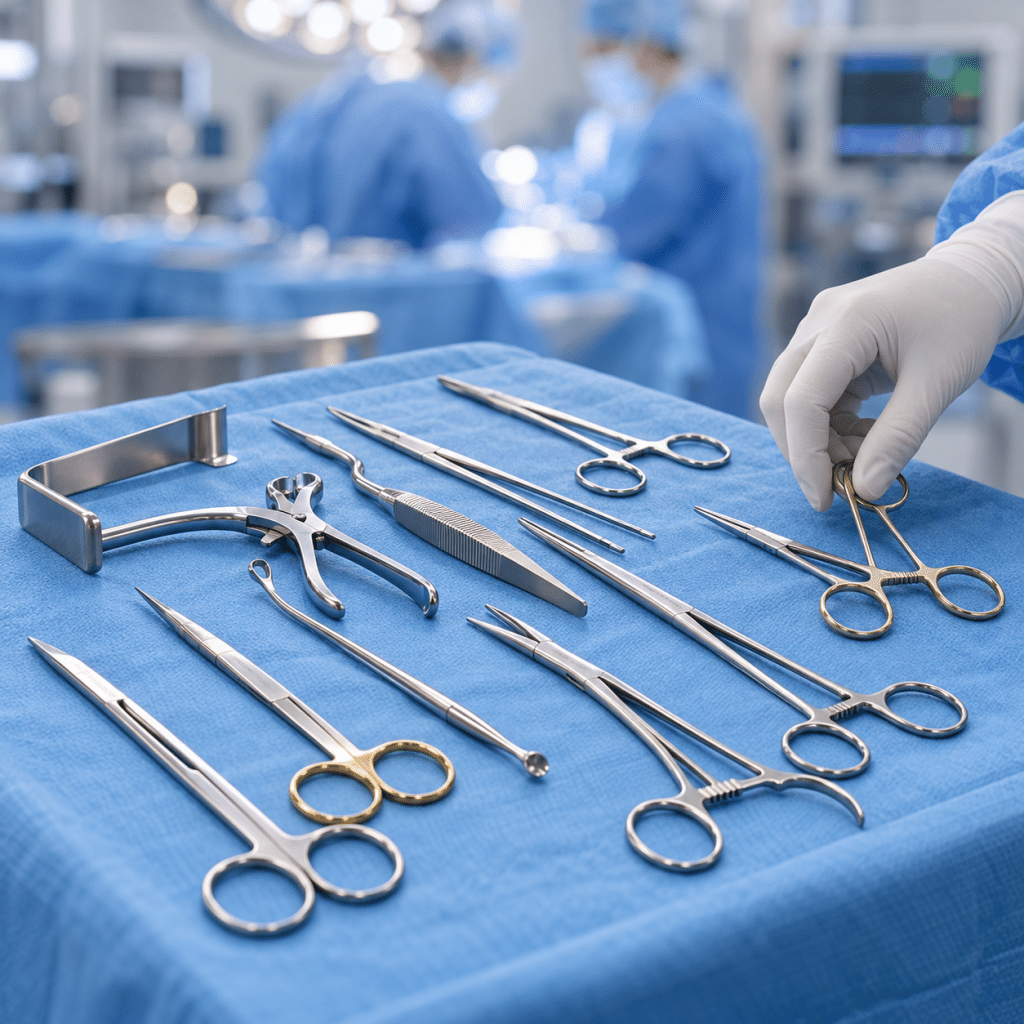
Arms, Carts and Consoles That Keep Pace With Every Platform Revision
Robot arms, carts and consoles carry large amounts of precision mechanical content, and it changes with every platform revision and installed-base upgrade.
Fathom builds arm covers and housings, cart frames and panels, brackets and mounts, console enclosures, cable-management details, service tools and calibration and test fixtures.
-
Brackets, plates and housings: Precision metal and plastic parts for arms and carts from CNC machining in Minneapolis, MN.
-
Frames, panels and enclosures: Cart frames, console enclosures, covers and brackets from precision sheet metal in Ithaca, NY and Denver, CO.
-
Cosmetic covers: Urethane-cast and molded arm covers and housings from Hartland, WI, with finishing matched to your cosmetic standard.
-
Installed-base support: Spares, retrofit hardware and field-service kits built to the current revision, with configuration control that keeps every system set traceable.
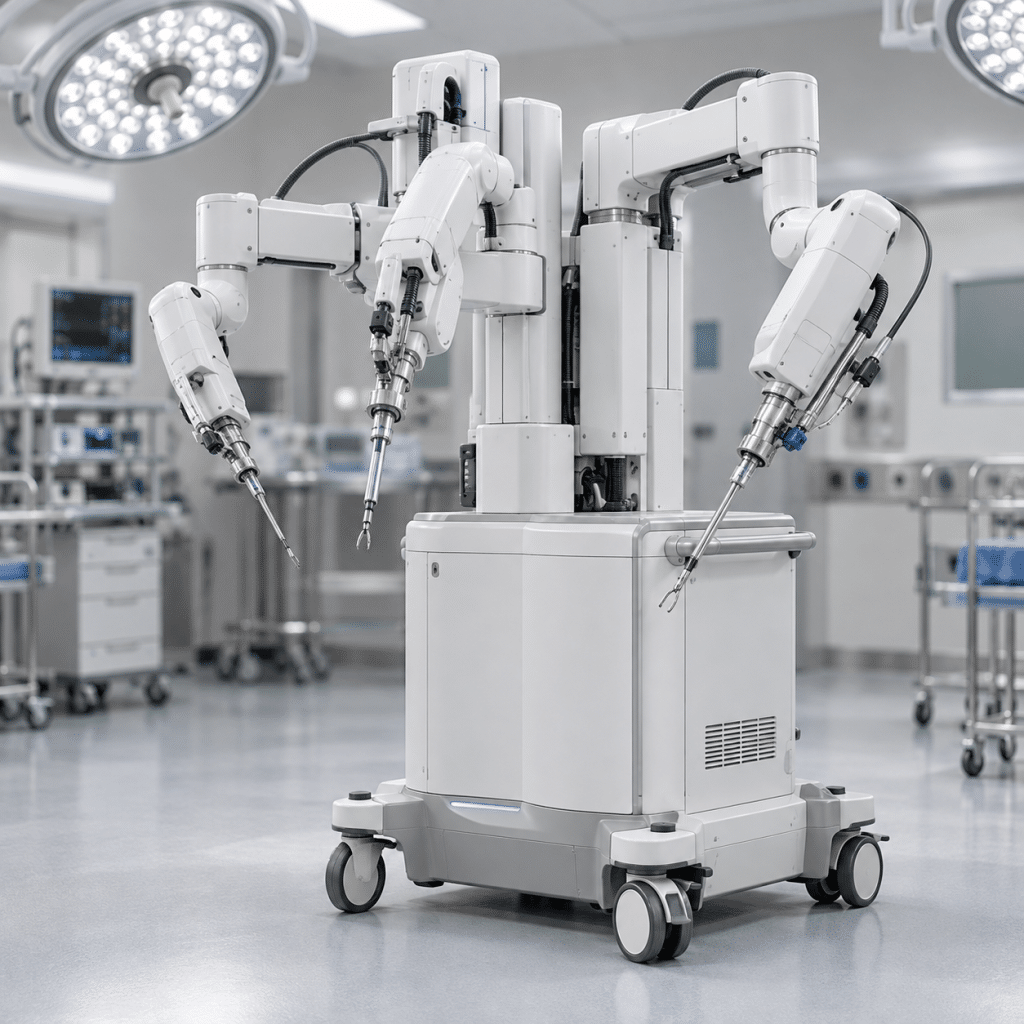
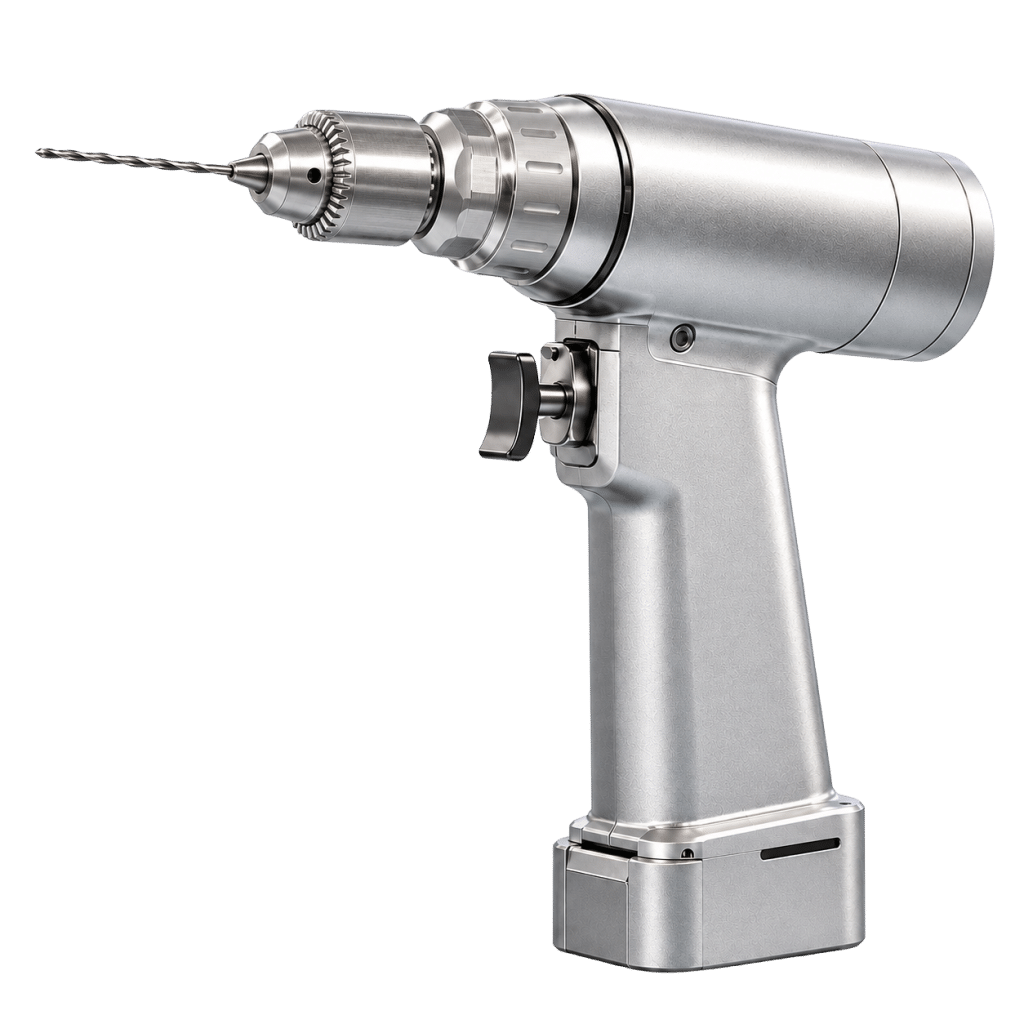
Your Next Handpiece Refresh Moves From Prototype to Production With One Team
Drills, saws, drivers and shavers mix precision drive-train parts with molded or cast housings, and battery and sterilizable-design refreshes keep new product work coming. Fathom builds spindles, chucks and couplers, attachment shafts, blade hubs, motor and battery housing components, triggers and sterilization cases and inserts.
-
Drive-train precision: Spindles, couplers, chucks and attachment shafts from precision turning in Elk Grove, IL.
-
Machined critical features: Blade hubs and tight-tolerance drive components from Centex by Fathom, our ISO 13485:2016 certified CNC facility in Austin, TX.
-
Housings and triggers: Molded and urethane-cast housing components, triggers and additive prototypes from Hartland, WI.
-
Sterilization cases: Cases and inserts from precision sheet metal in Ithaca, NY and Denver, CO, laid out to match each handpiece and attachment set.
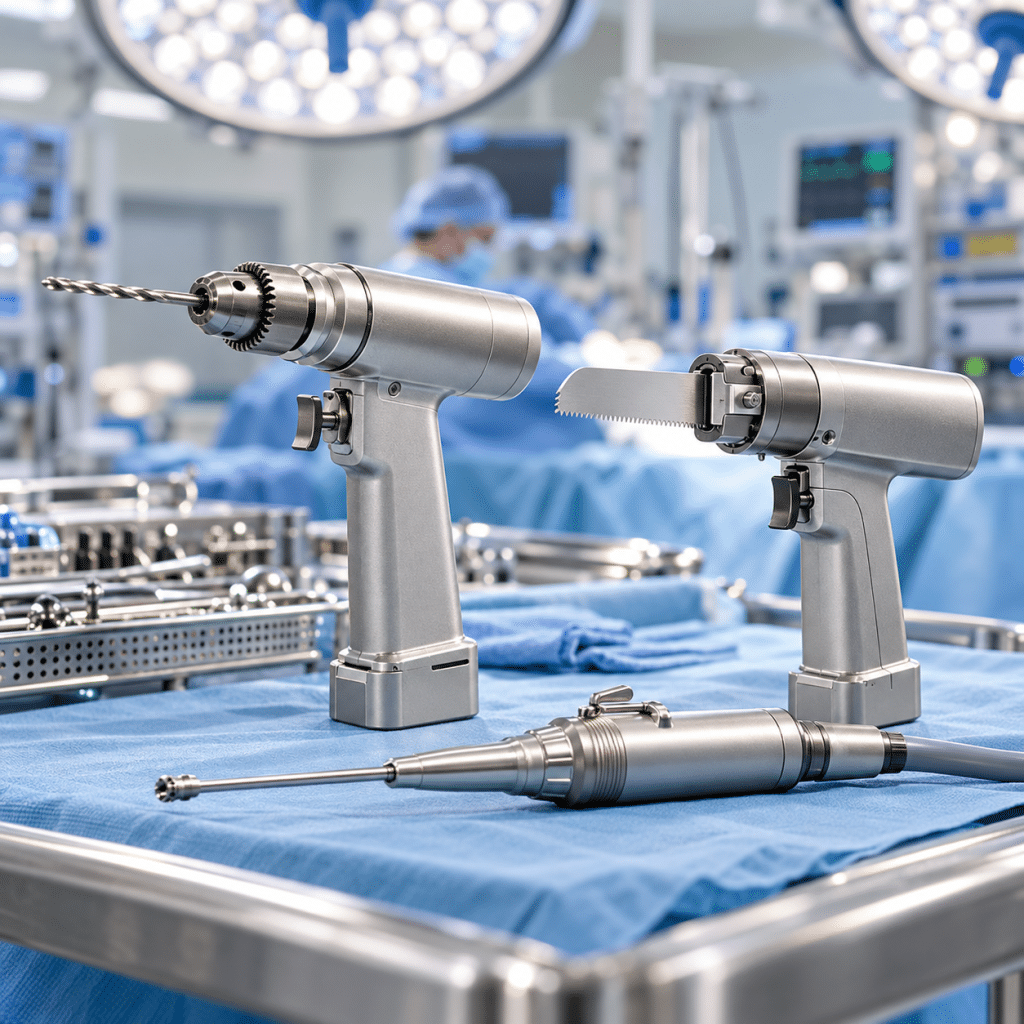
Handpieces, Electrodes and Generator Hardware Move on One Program Plan
Energy devices combine molded handpieces, conductive and insulating components and generator hardware, with frequent platform refreshes and growing single-use handpiece programs.
Fathom builds handpiece housings, electrode blanks, jaw electrodes and inserts, insulating components, switch buttons, strain reliefs and generator enclosures and chassis.
-
Handpiece housings and buttons: Molded and overmolded handpiece components and switch buttons from Hartland, WI, with additive prototypes for early ergonomics.
-
Flat electrodes: Thin, burr-free electrode blanks and conductive flat parts from photochemical machining in Newark, NY.
-
Turned and machined details: Electrode blanks, jaw inserts and insulating components from precision turning in Elk Grove, IL.
-
Generator enclosures and chassis: Chassis, enclosures and brackets from precision sheet metal in Denver, CO and Ithaca, NY.
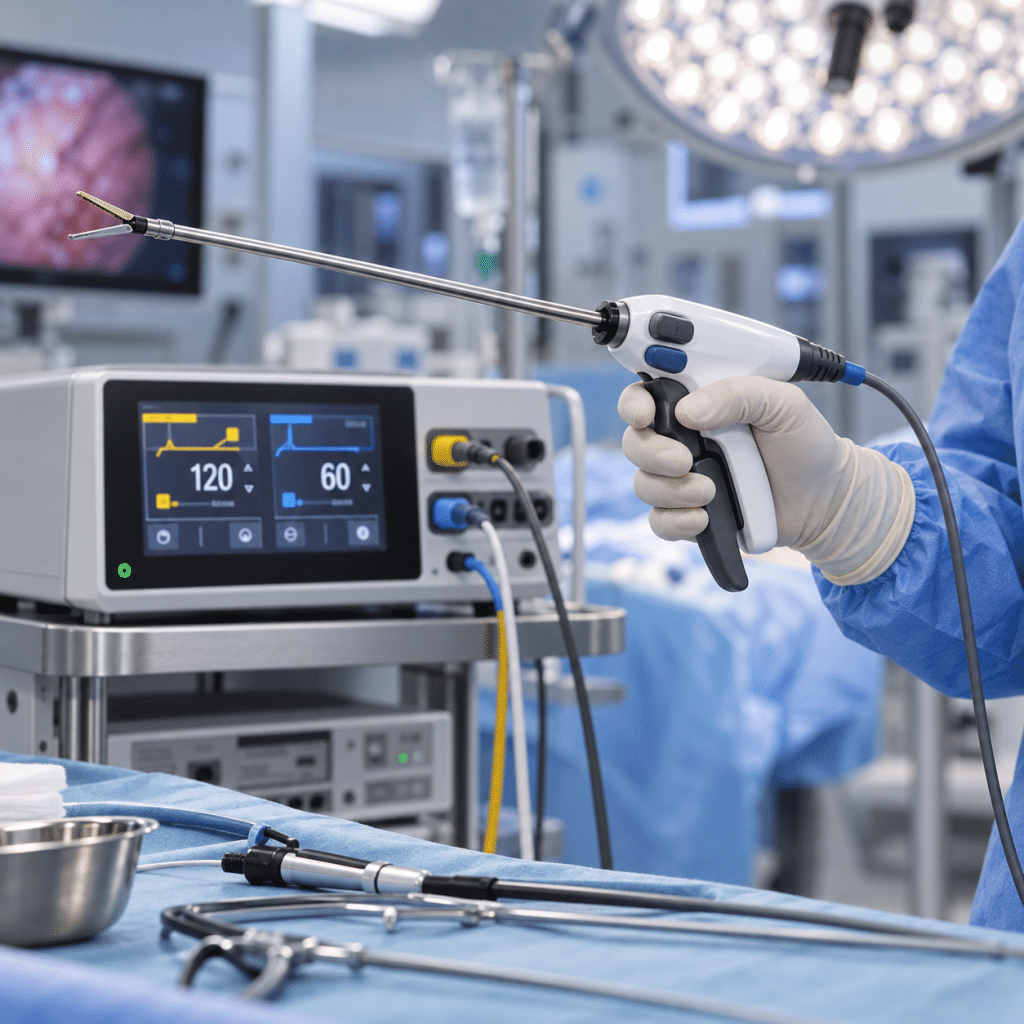
Your Single-Use Conversion Is Designed for the Volume Process From Day One
ASC economics and infection-control pressure are moving instruments from machined stainless toward molded, stamped and etched designs, and a prototype built for the wrong process forces a redesign after validation.
Fathom builds molded handles and housings, disposable tips and jaws, etched flat components, trocar and cannula parts, kit components and packaging inserts.
-
Surgeon-evaluation prototypes: Additive and urethane-cast parts from Hartland, WI, built to reflect the volume process you will use later.
-
Bridge production: Aluminum bridge tooling and injection molding in Hartland, WI keep evaluation and early launch supplied while production tooling is built.
-
Etched flat components: Disposable tips, blades and flat details from photochemical machining in Newark, NY.
-
A path to volume: Once the design and demand stabilize, Fathom Edgeworks moves repeat content to the right global source under the same relationship
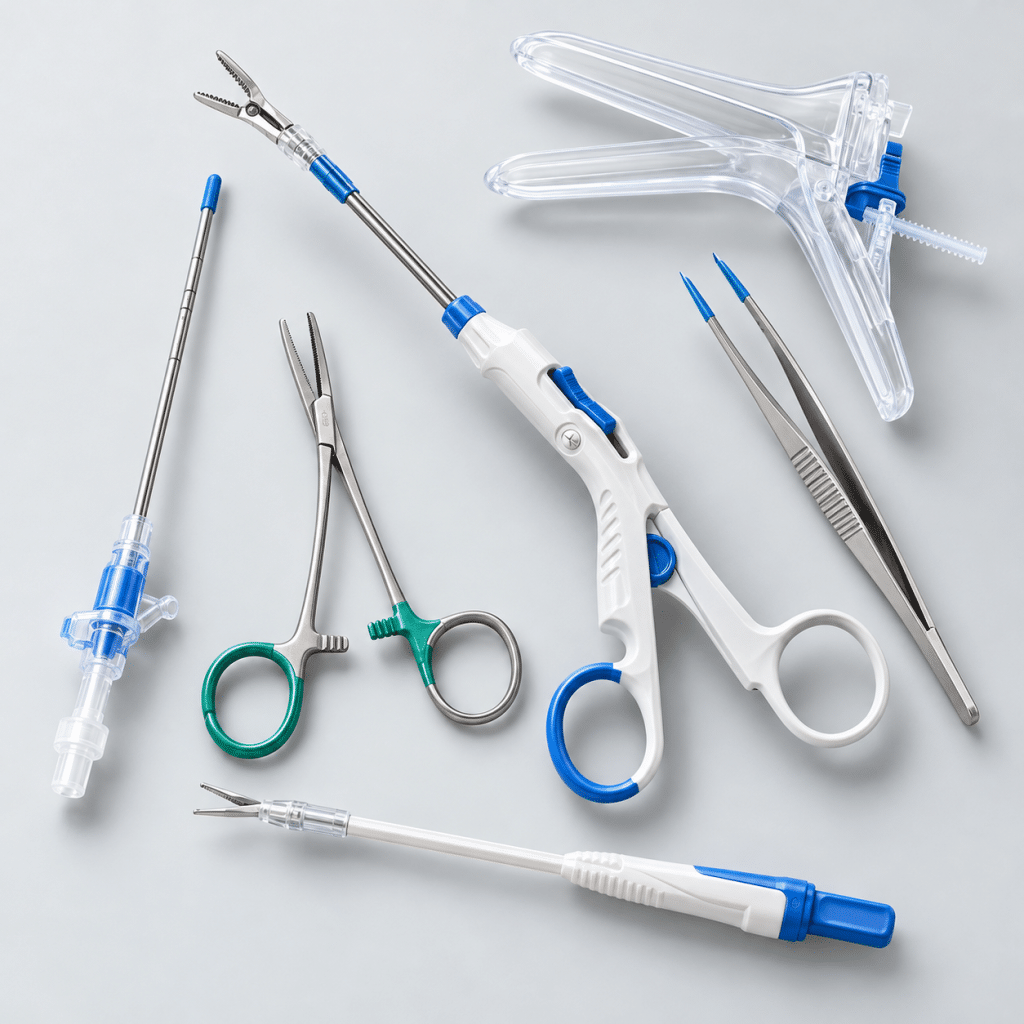
Trays and Inserts Ready When the Instrument Set Is
Every new or reconfigured instrument set needs trays, baskets and inserts, and the shift toward leaner ASC trays keeps that demand recurring.
Fathom builds perforated trays, baskets and lids, brackets, instrument stringers, mat retainers, case inserts, labeling plates and carts.
-
Trays, baskets and lids: Precision sheet metal in Ithaca, NY and Denver, CO, with layouts matched to each set configuration.
-
Perforated screens and filters: Burr-free perforated screens and thin details from photochemical machining in Newark, NY.
-
Custom inserts and brackets: Machined and additive inserts, stringers and brackets from Hartland, WI.
-
Edge and finish quality: Burr-free edges, surface finish and passivation reviewed for steam and low-temperature sterilization compatibility.
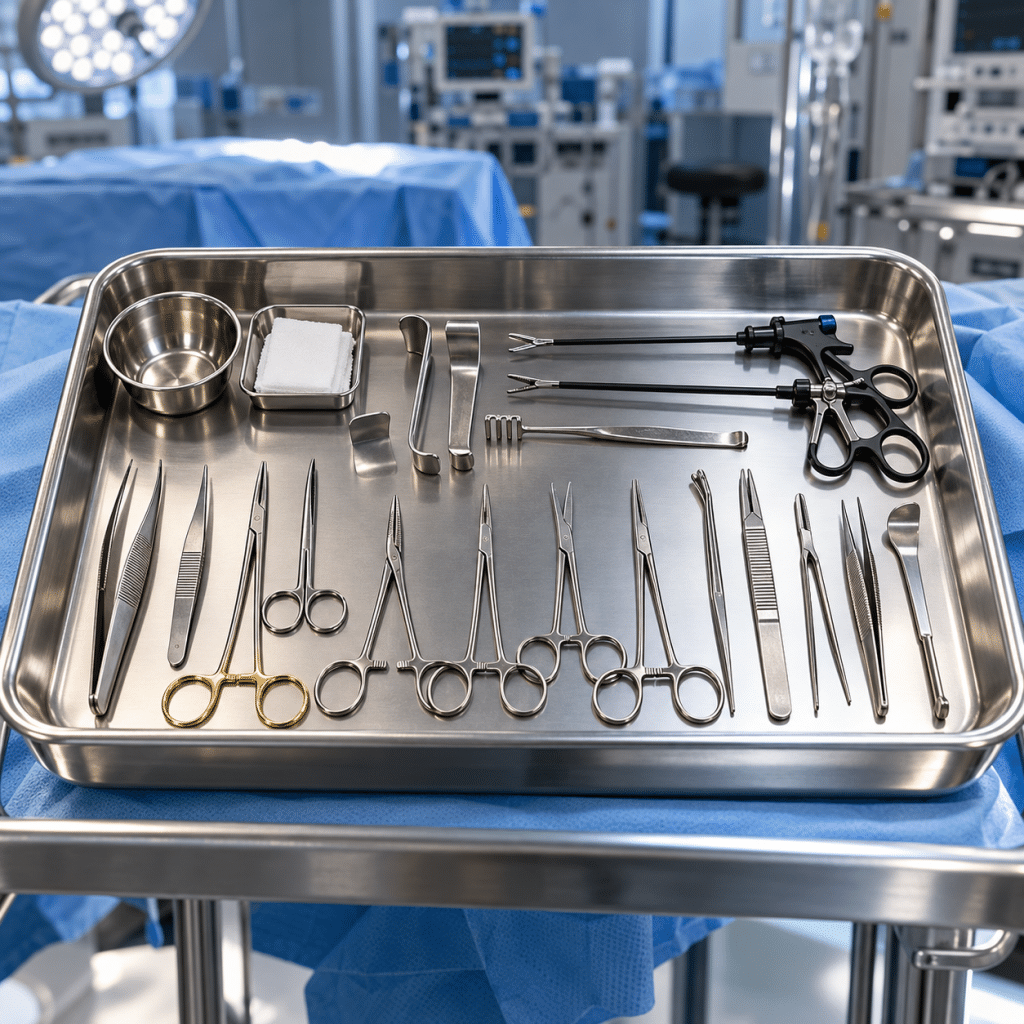
Validation Fixtures Ready Before Your Verification Build Is
Every instrument program needs the hardware around the hardware, and core plants rarely have room to prioritize it.
Fathom builds cleaning-validation fixtures, cycle-life and jaw-force test rigs, actuation test fixtures, CMM nests, assembly fixtures, packaging test aids and surgeon training models.
-
Inspection and metrology fixtures: CMM nests, gauges and inspection fixtures from precision CNC machining in Austin, TX and Minneapolis, MN.
-
Test rigs: Cycle-life, jaw-force and actuation fixtures built with stable datums and revision control.
-
Assembly aids: Additive and machined assembly fixtures from Hartland, WI that update quickly with every ECO.
-
Training and demo hardware: Surgeon training models and demo units from additive and urethane casting in Hartland, WI.
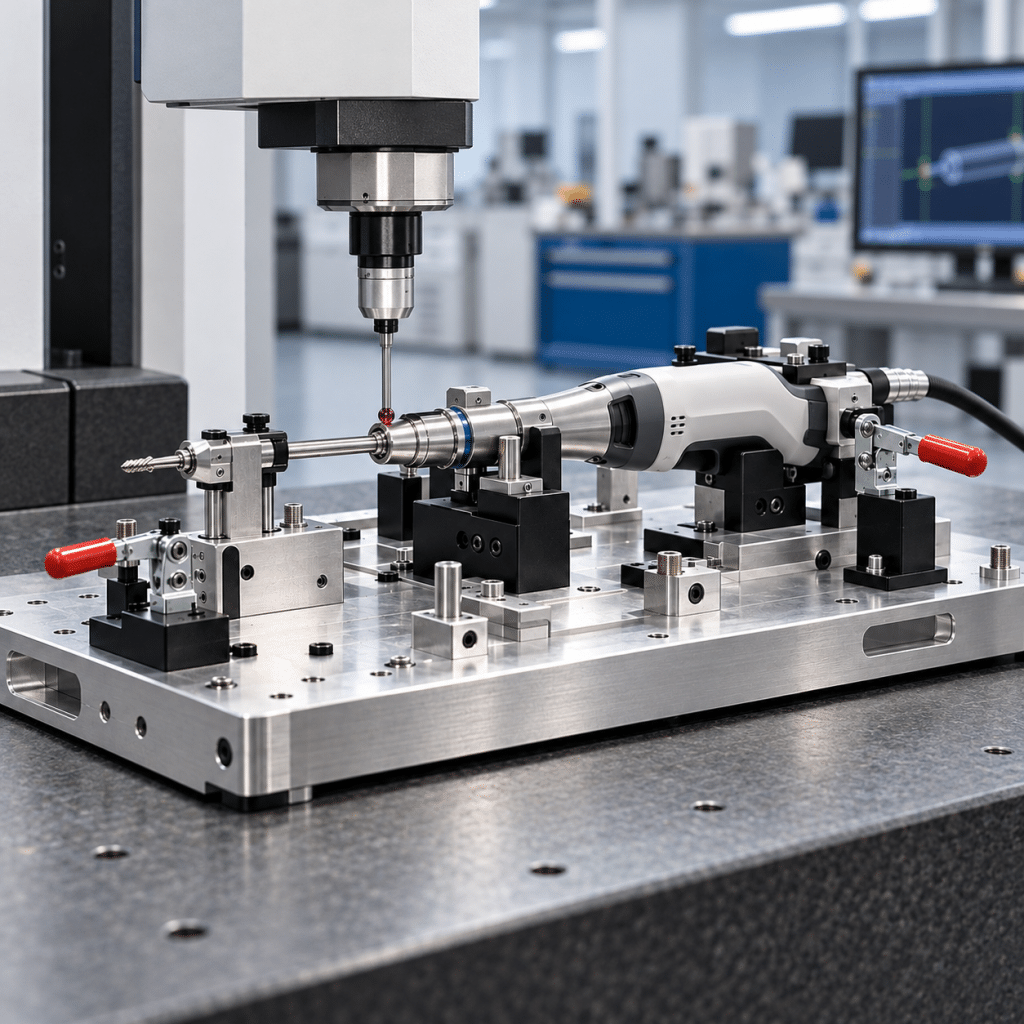
Same-Day Answers From an Engineer Who Knows Your Instrument
Our engineers review your prints for tolerance stacks and mating interfaces, jaw and hinge geometry, surface finish and passivation, burrs and crevices that can trap bioburden, marking locations, and cleaning and sterilization compatibility before pricing goes out.
When a small change would make a part easier to clean, faster to build or less expensive at volume, you hear about it while it is still a drawing change and not a first-article finding.
Every program gets a named program contact and direct access to the engineer working your parts. Revision management and inspection packages are built into the workflow, so a surgeon-driven ECO doesn’t reset your documentation or your build schedule.
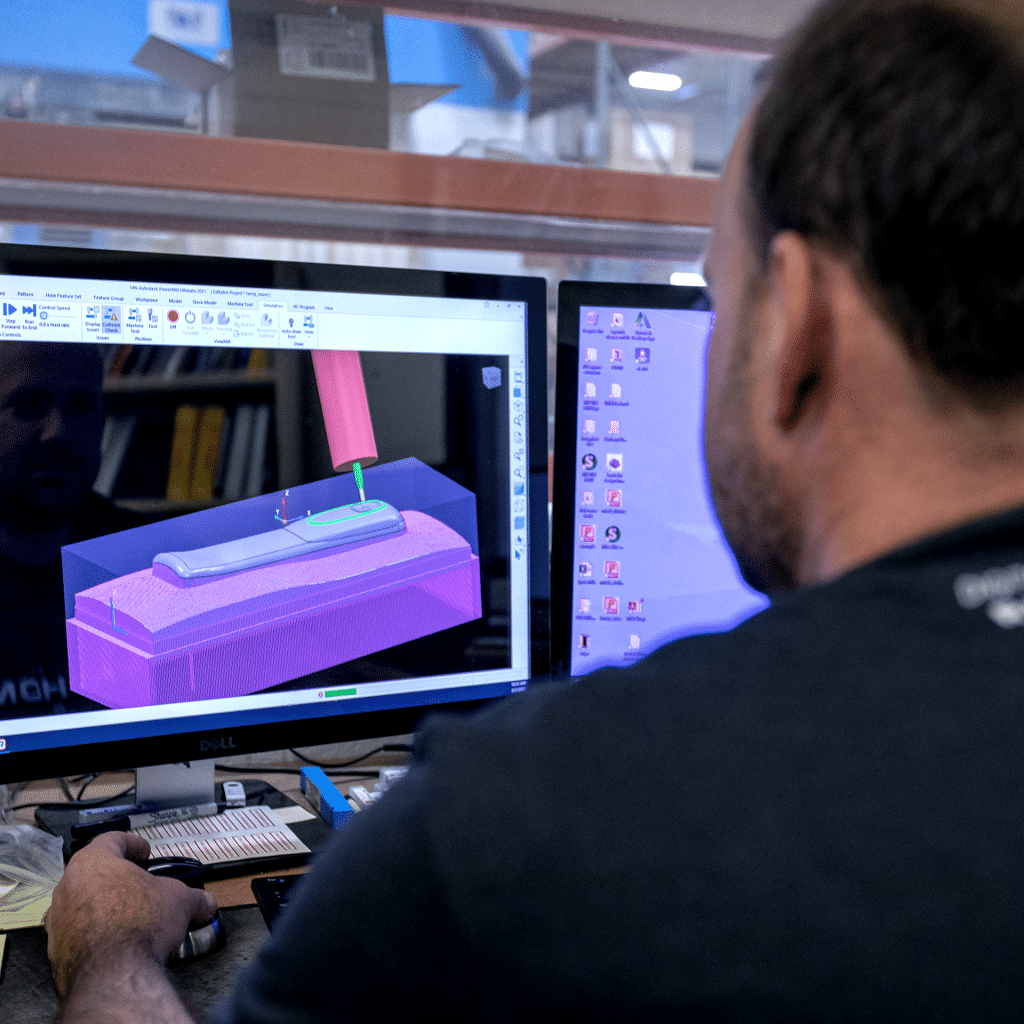
Fathom Edgeworks: Built to Support Medical Instrument Programs
Our global sourcing solution provides medical instrument manufacturers with access to an extended network of U.S. sourcing options through one accountable Fathom team.
Our domestic manufacturing capabilities are built to support medical instrument programs, from prototyping through validation to recurring production.
That includes everything from precision instrument components to trays, ergonomic molded parts and support hardware, all matched to the right U.S. source.