
Skip to content

Fathom is hiring for multiple positions across our nationwide sites! To see all open positions, click here

3D Printing Services

Solve your rapid prototyping and production challenges with our portfolio of additive manufacturing solutions
Request a Quote
Trusted by Industry Leaders
Apple
Tesla
Textron
Northrop Gruman
Leonardo DRS
“Working with Fathom has given us a level of supply chain control we haven’t had with other partners. Instead of juggling multiple suppliers for machining, sheet metal, extrusions, and 3D-printed prototypes, we can run everything through one team and that’s been a huge advantage for our EV programs. Their engineers helped us tighten up a machined cooling-plate design, turn around sheet metal brackets in days, and rapidly iterate several 3D-printed enclosure concepts early in development. Having all of these capabilities under one roof has reduced delays, improved consistency across assemblies, and cut a significant amount of coordination time on our side.”
Senior Manufacturing Engineer
Major EV OEM
“Fathom has been a strong partner on our EV programs. They helped us optimize a few key components for weight and manufacturability, and they consistently hit the tolerances we need. Their fast turnaround times have kept our development cycles moving, which is critical in EV work.”
Senior Manufacturing Engineer
EV Systems Supplier
“Working with Fathom has made our purchasing process for 3D-printed components much easier. Their team is consistently fast, clear, and reliable — which matters a lot in medical, where timelines and documentation can get complicated. They turn around quotes quickly, communicate openly about lead times, and deliver parts that meet the exact specifications our engineering team requires. Fathom has saved us countless hours coordinating between suppliers, and they’ve become our go-to partner for rapid prototypes and low-volume builds.”
Senior Buyer
Medical Device Manufacturer
“Fathom’s 3D printing capabilities have been a game changer for our development cycles. Their team helped us prototype complex geometries that would’ve taken weeks using traditional methods, and we had functional parts in hand in just a few days. They also worked closely with our engineers to fine-tune designs for strength and weight, which saved us significant time before moving into qualification.”
R&D Engineer
Tier 1 Defense Contractor
“With their response time, quotes and communications, Fathom is highly regarded because they are always upfront. They say what they do and do what they say.”
John Doe
Consumer Technology Company
“Not many other manufacturing facilities would prioritize a job with a volume this low. They treated us as if we were a long-time customer bringing in high-volume business.”
Manufacturing Engineer
1X Technologies
prev
next

How Does 3D Printing Work?

01Part Design

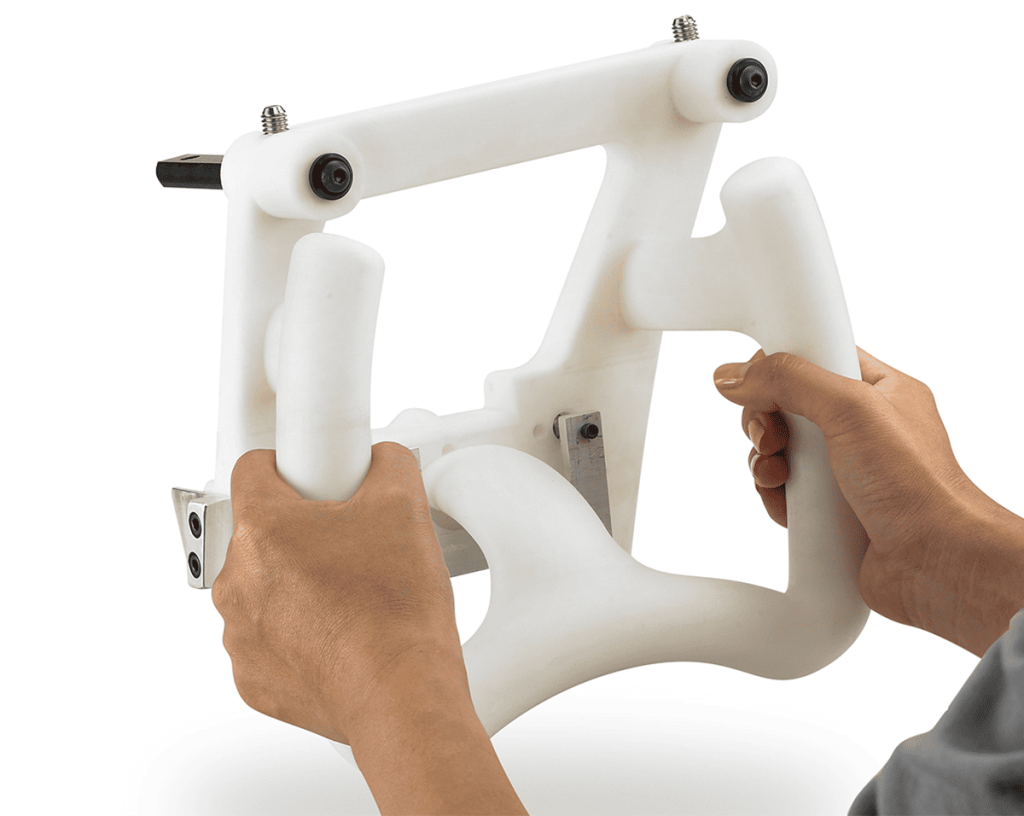
A 3D-printed part starts life as a digital 3D CAD file that specifies the shape, dimensions and features that will be incorporated into it. The CAD file is fed into a software tool called a slicer that converts it into layers. This translates it into a format that a 3D printer can follow to build the part, layer by layer.

The Evolution and Applications of 3D Printing Technology: Advancements, Challenges, and Future Prospects
02The Build Process

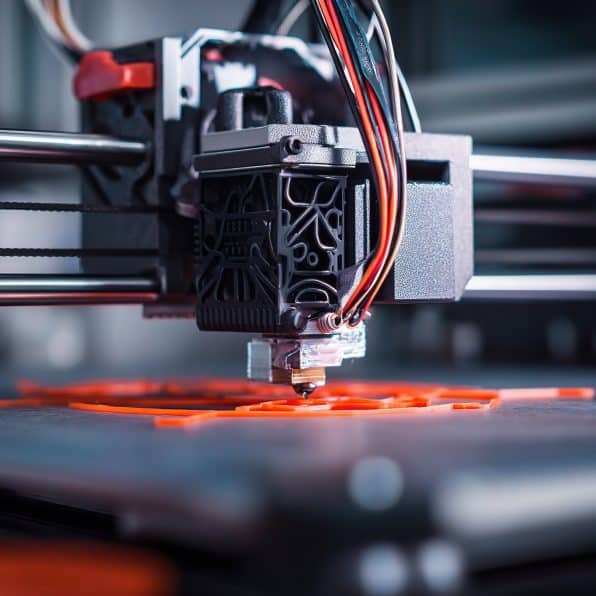
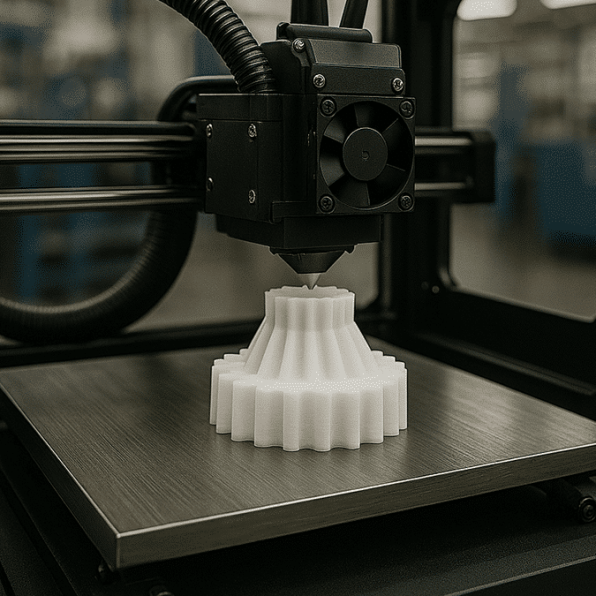
One thing that all 3D printing technologies have in common is that they build parts one layer at a time. Raw materials may be powder or filament. Lasers, UV light or precision jetting may be used to deposit each layer of material onto a build table. As each layer of the part is completed, the  table moves down slightly so the next layer can be built on top of it.

Build_Process
03Post Processing

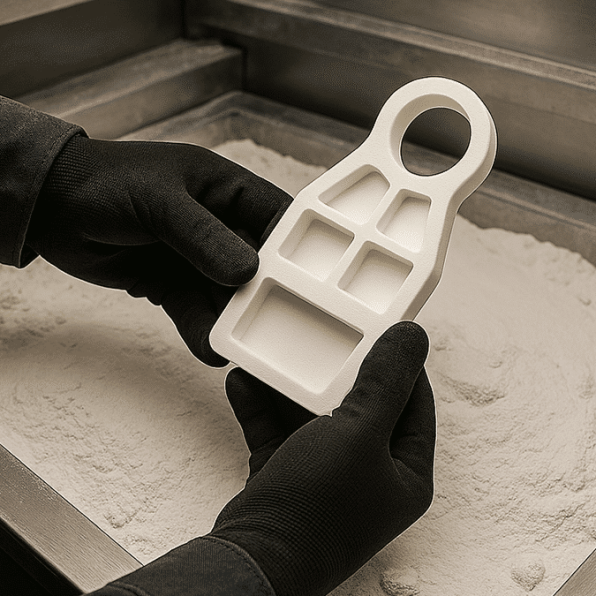
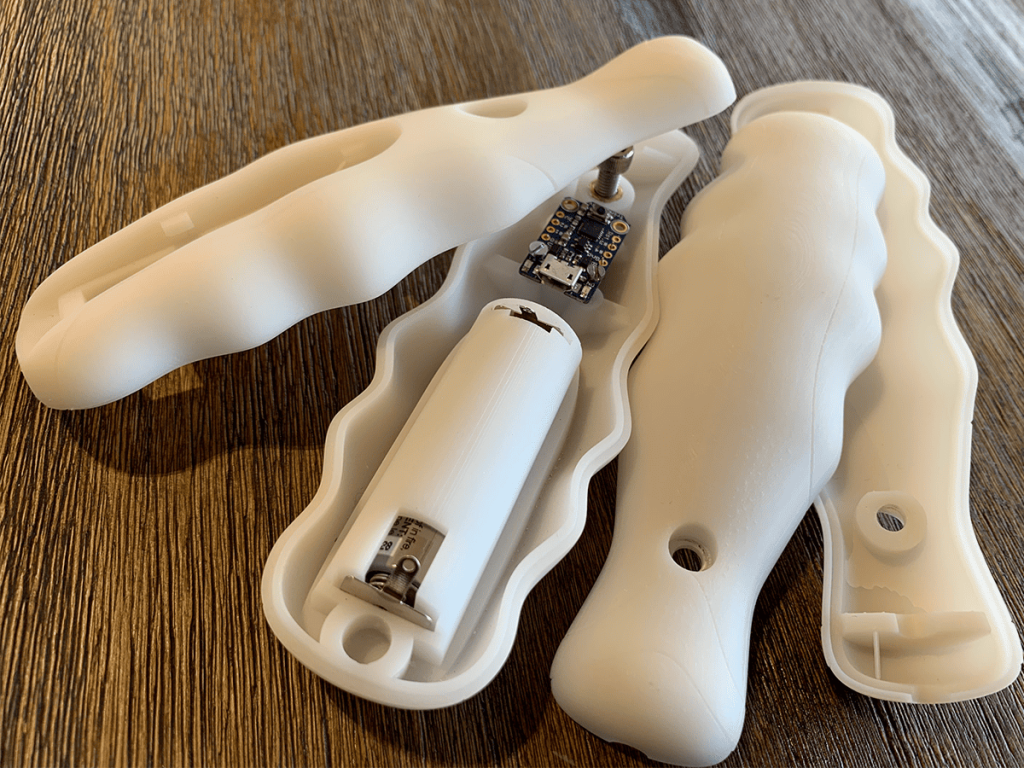
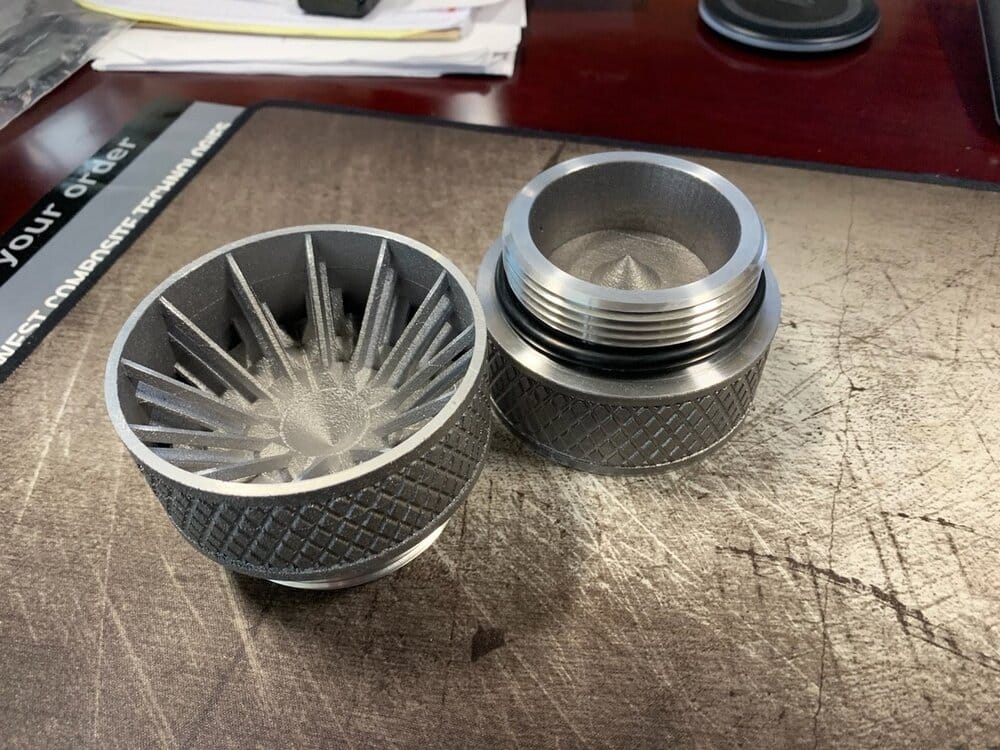
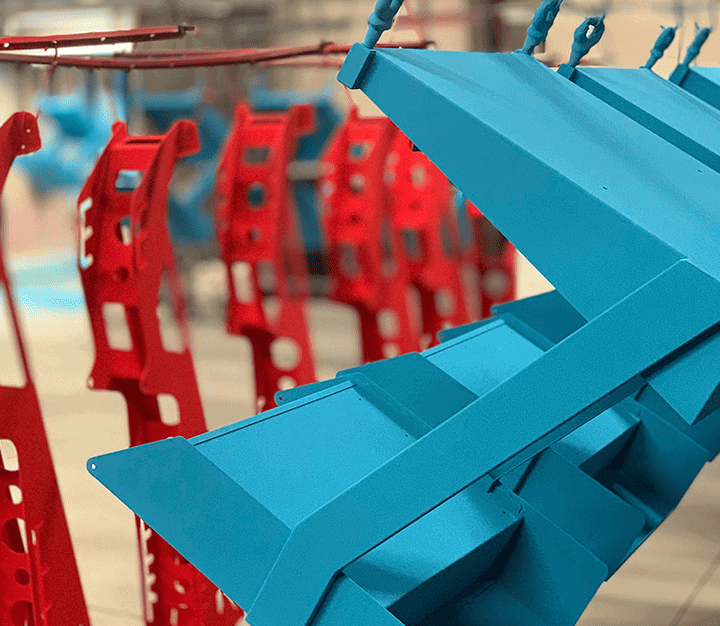
Most 3D-printed parts require post-processing to prepare them for use. Support structures need to be removed. Parts produced using powder bed technology need to be excavated from the unused material. Many 3D-printed plastic parts need to be media blasted to give them a smooth finish. Metal parts need to be cut off of a build plate and may require media blasting or post-machining.

Post_Processing

Additive Manufacturing Technologies From Fathom

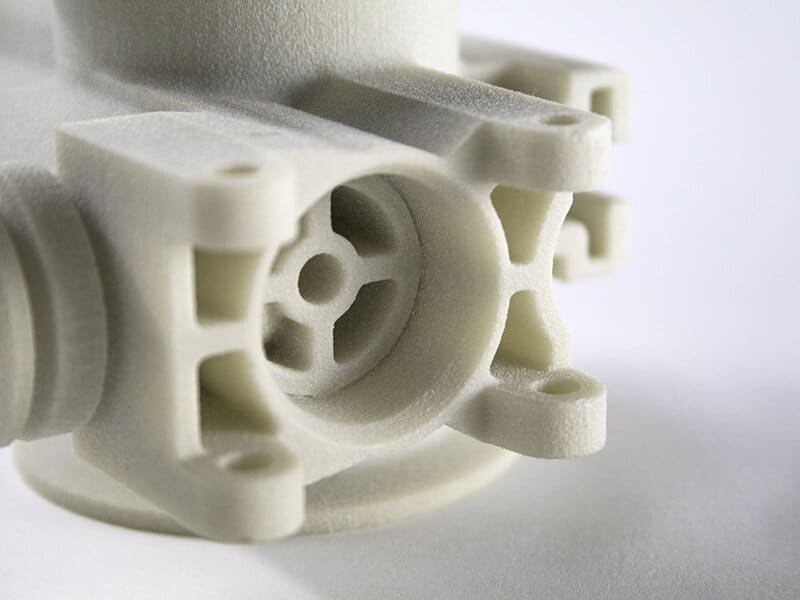
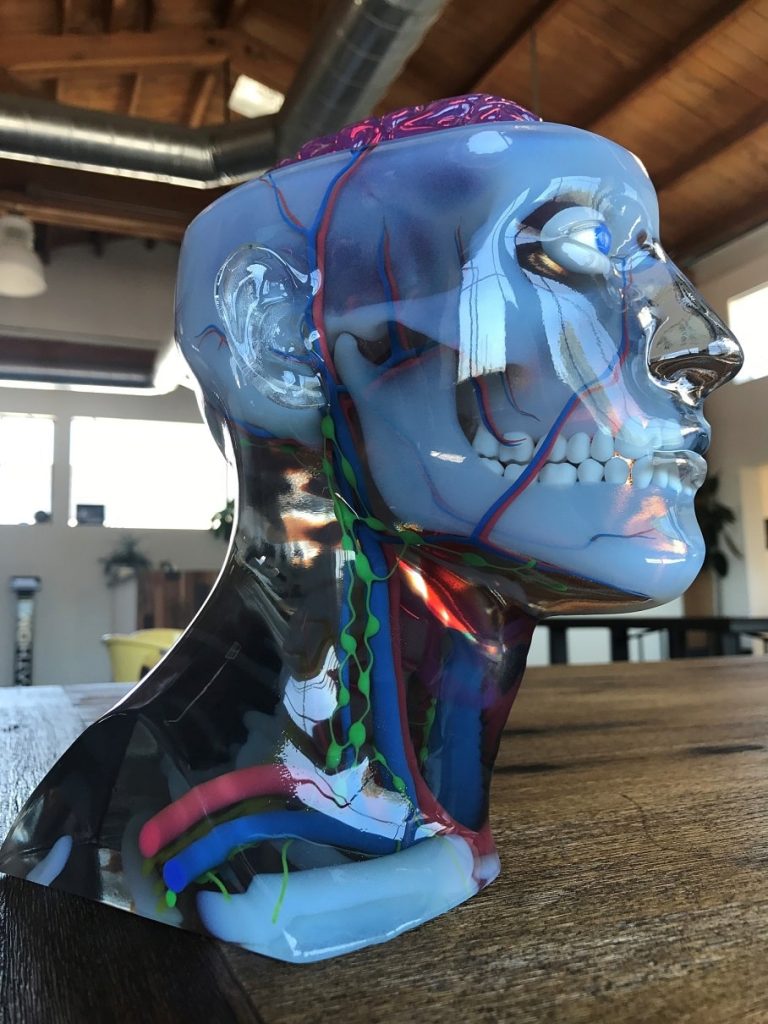
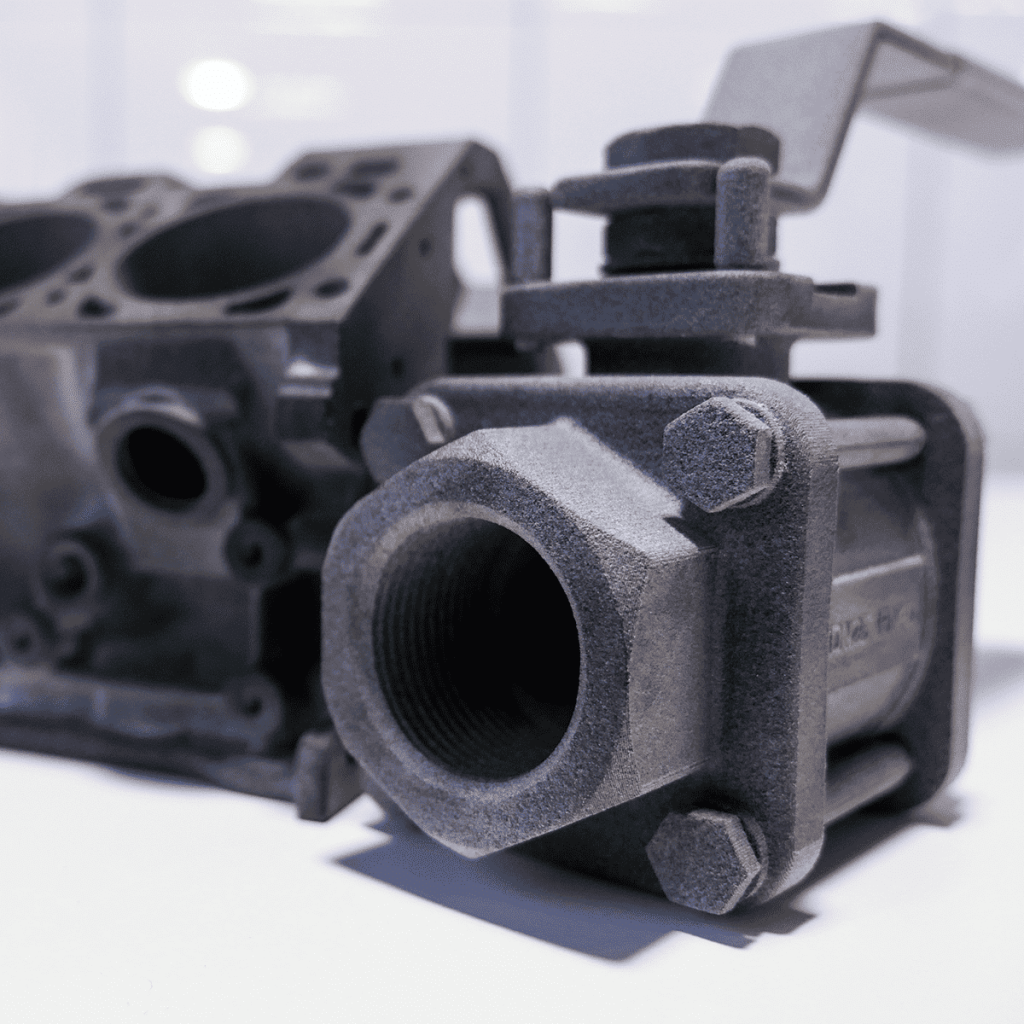
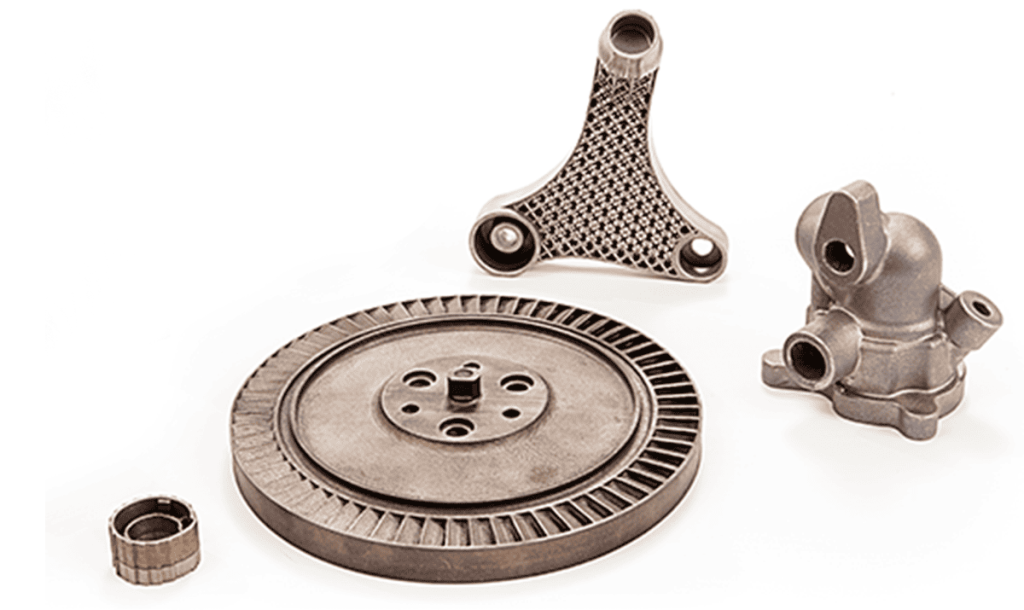
Fathom offers seven 3D printing technologies. Each one offers a unique set of capabilities and benefits. They all share one common characteristic: They enable digital manufacturing. You can manufacture parts directly from CAD drawings – without tooling.

Additive Design Specifications

Keep these specifications in mind when you’re designing parts for additive manufacturing

Wall Thickness Hole Diameter Clearance For 3D Printed Assemblies Escape Holes Minimum Detail Pin Diameter Z Accuracy XY Accuracy Standard Layer Thickness 1
FDM 1 mm 1.6 mm 0.5 mm 0.5 mm for 0.127 mm Slices 2 mm XY Tolerances + .002″ per inch or .005″ (whichever is greater) .005 for the first inch and .002 for every additional inch 0.25 mm (.010) 5
SLS 0.7 mm 4 1 mm 0.5 mm 5 mm 3 0.7 mm 4 1 mm +/- 0.3 mm (0.012) or 0.3% (whichever is greater) 2 +/- 0.3 mm (.012) or -0.3% (whichever is greater) 2 0.12 mm (.005)
MJF 0.7 mm 4 1 mm 0.5 mm 5 mm 3 0.4 mm 4 1 mm +/- 0.5 mm or 0.5% (whichever is greater) 2 +/- 0.3 mm (.012) on XY or =/- 0.3% (whichever is greater) 2 0.08 mm (.003)
SLA 1 mm 0.5 mm 0.5 mm 5 mm 0.5 mm 1 mm +/- 0.2 mm (0.008) or 0.2% (whichever is greater) +/- 0.2 mm (0.008) or 0.2% (whichever is greater) 0.1 mm (.004)
PolyJet 1 mm 0.5 mm 0.4 mm 0.4 mm 1 mm +/- 0.2 mm (0.008) or 0.002 mm/mm (whichever is greater) +/- 0.2 mm (0.008) or 0.002 mm/mm (whichever is greater) 0.03 mm (.001)
DMLS 0.5 mm 0.5 mm 0.5 mm 2 mm 0.5 mm 0.5 mm +/- 0.005” for the first inch and 0.002” for every inch thereafter +/- 0.005” for the first inch and 0.002” for every inch thereafter Material dependent

Explore Fathom’s Full Range of Manufacturing Equipment

Download our complete machine list for a detailed look at our capabilities across CNC machining, additive, molding, and fabrication.

Download Machine List
thumbnail_download_machinelist

3D Printing Technology FAQs

Do you have questions about additive technology and how you can use it to improve your parts? Get answers to many common questions here.

Q.
I’ve heard that 3D printing technology is only suitable for making prototype parts. Is that true?

A.

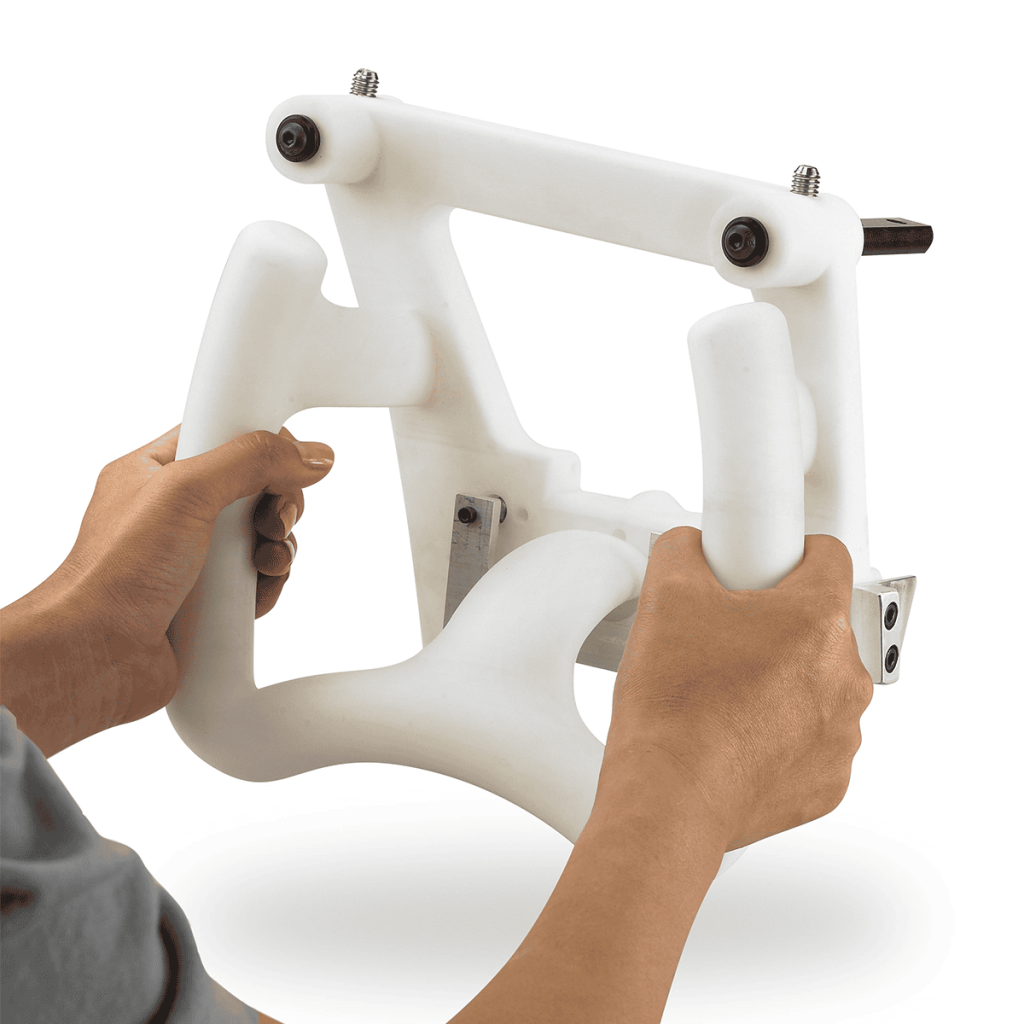
The versatility of commercial 3D printing has grown significantly during the last decade. It’s now used to make bridge- and full-production parts. Several industrial 3D printing processes can also be used to create durable jigs and workholding fixtures.


Q.
How does 3D printing technology enable OEM design engineers to rethink their product development efforts?

A.

3D printing technology enables engineers to create designs that aren’t possible to make using traditional subtractive manufacturing methods. For example, parts can be designed with conformal cooling channels for enhanced cooling properties. Also, complex assemblies can be simplified into fewer parts, reducing their cost and eliminating sources of potential air or liquid leaks.

Q.
What is Design for Additive Manufacturing (DfAM)?

A.

Design for Additive Manufacturing (DfAM) is a methodology for designing parts specifically for industrial 3D printing. DfAM is designed to leverage its unique advantages and overcome its limitations. It includes factors such as material selection, part orientation, support structures and post-processing. It helps engineers optimize their part designs for functionality, manufacturability, and cost.

Q.
How do the costs for 3D printing services compare to CNC machining or injection molding?

A.

For prototyping and low-volume production, commercial 3D printing services are usually more cost-effective than CNC machining or injection molding. However, as production volume increases, per-part costs tend to favor CNC machining and injection molding.

Q.
Can 3D printing technology produce parts with complex internal geometries?

A.

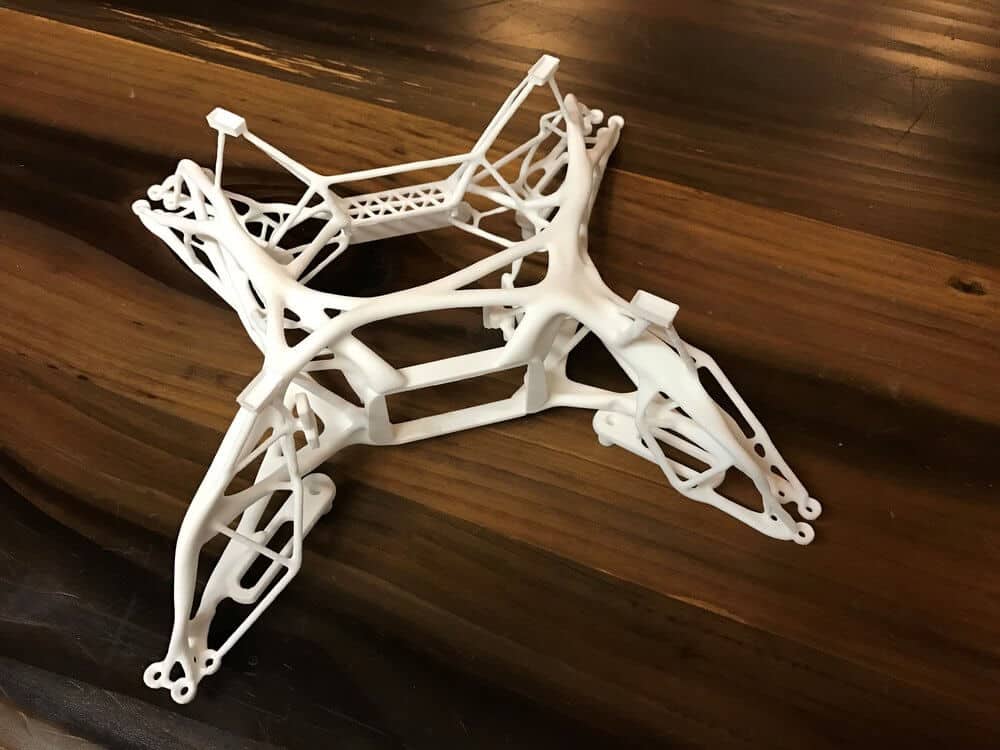
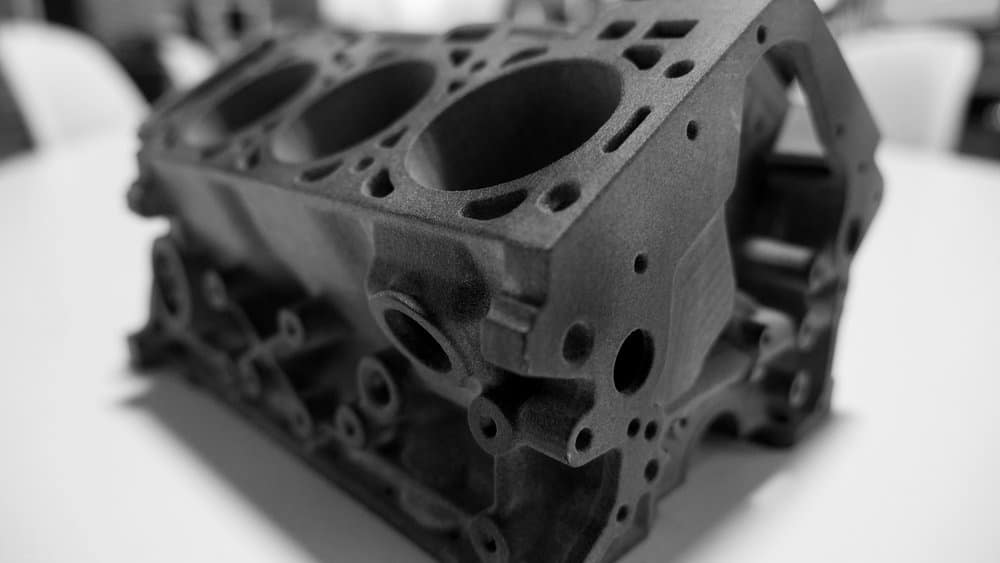
Yes. That’s one of its key strengths. CNC machining is limited to the spaces in which a cutting tool can fit. That makes it impossible to produce complex internal geometries. In contrast, 3D-printed parts are built layer by layer, which means they can be designed with many types of internal features.

Q.
Are 3D printing technologies viable for mass production?

A.

Yes, but in limited quantities. That makes them suitable for bridge manufacturing and for low-volume production.

Q.
What materials can be used with 3D printing manufacturing?

A.

The materials that can be used to build 3D-printed parts vary by the additive technology. Plastic parts may be produced using popular materials such as nylon, ABS and polycarbonate. Metal parts may be made using common materials such as aluminum, steel and titanium.

Q.
How does additive manufacturing reduce material waste compared to subtractive methods?

A.

Subtractive manufacturing – such as CNC machining or sheet metal fabrication – begins with a block of material and removes all of the material not needed for the part. It tends to result in a lot of material waste. In contrast, 3D printing technology builds a part, layer by layer. It results in little or no material waste.

Why Our Customers Trust Fathom

Human-First Engineering
Our expert engineers will help you optimize your part designs for production.
Decades of Expertise
Our engineering and production teams bring decades of expertise and problem-solving to every project.
Integrated Manufacturing & Finishing
We offer manufacturing and full post-processing capabilities under one roof for one point of accountability.
Full Product Life-Cycle Support
We’re your partner from design and prototyping to bridge and full production.

Fathom is Your Product Lifecycle Partner

From early concepts and prototypes to bridge and low-volume production, we’ve got you covered.

Early Concept

We’ll perform a Design for Manufacturability (DFM) analysis to help you optimize your part design for production. Our expert engineers will also identify opportunities for cost reduction in part design, tooling and the proposed production process. Our ultimate goal? To eliminate potential production problems early in your design process.

Rapid Prototyping

Quickly iterate and finalize part designs using our on-demand manufacturing services. Rapid prototyping services employ digital manufacturing methods. They enable designs to move directly from a CAD drawing to a finished plastic or metal part in a matter of hours or days – without the need for tooling. Rapid prototyping can help you bring products to market faster.

Bridge Production

Bridge production can help you solve a number of common problems, including side-stepping tooling delays, meeting regulatory requirements and conducting market research if you’re unsure of demand for your new product. Producing a small quantity of parts enables you to preview a new product to a select audience and make tweaks before you ramp up to full production.

Small-Medium Volume Production

Many third-party manufacturers prefer to avoid low-volume production in favor of long production runs of relatively simple geometries. We specialize in low-volume/high-mix projects. We’re very good at it! Bridge production also makes sense when you’re moving tooling from overseas to domestic production, so you can keep your production line running smoothly.

1 of 1

Kick Off Your Project Today

Expect More From Contract Manufacturing

It’s time to level up your expectations. Contract manufacturing should be much more than an automated quote and superficial DFM feedback. Experience the Fathom white-glove difference – an engineering and expertise-driven process that will guide you from concept to production with clarity, confidence, and zero guesswork.

Request a Quote
Drone_CTA