Skip to content

Fathom is hiring for multiple positions across our nationwide sites! To see all open positions, click here

CNC Machining

Precision machining for your most demanding applications
/get-a-quote
Trusted by Industry Leaders
Harley Davidson
3M
Sanmina
Smith & Nephew
Medtronic
“We were really struggling to find anyone who could cut a certain type of heavy-duty glass. Everyone told us it couldn’t be done, so when we reached out to Fathom, we expected to hear the same thing. Instead, a few days later, they called back with a plan. They had tracked down the people who actually developed that glass and worked directly with them to figure out a solution. That’s the type of approach we have come to know from our Fathom team.”
Lead Engineer
Defense Contractor
“Working with Fathom has given us a level of supply chain control we haven’t had with other partners. Instead of juggling multiple suppliers for machining, sheet metal, extrusions, and 3D-printed prototypes, we can run everything through one team and that’s been a huge advantage for our EV programs. Their engineers helped us tighten up a machined cooling-plate design, turn around sheet metal brackets in days, and rapidly iterate several 3D-printed enclosure concepts early in development. Having all of these capabilities under one roof has reduced delays, improved consistency across assemblies, and cut a significant amount of coordination time on our side.”
Senior Manufacturing Engineer
Major EV OEM
“Fathom has been a strong partner on our EV programs. They helped us optimize a few key components for weight and manufacturability, and they consistently hit the tolerances we need. Their fast turnaround times have kept our development cycles moving, which is critical in EV work.”
Senior Manufacturing Engineer
EV Systems Supplier
“With their response time, quotes and communications, Fathom is highly regarded because they are always upfront. They say what they do and do what they say.”
John Doe
Consumer Technology Company
“No matter how complex or how new issues are with product design, we can always count on Fathom. Their team provides an unbiased, ‘out-of-the-box’ professional opinion that is always forward-thinking, interesting and helpful. We value their exemplary commitment to providing superb engineering.”
Rich Rayhill
Crown
“We choose Fathom because of their reputation as a great company to do business with. We have stayed with them for over 5 years because they consistently deliver to meet our needs.”
Barbara Gramenz
3M
“We have been customers with Dahlquist for a long time because they deliver outstanding quality, on-time, every time. I believe these results are in large part due to the fantastic and customer focused team that works there.”
Buyer
Laser Cutting Equipment Manufacturer
“Sanmina and Centex have had a long business relationship and we’ve been able to conquer a lot of our goals with their expertise and support. Centex has always delivered excellent quality parts at fair prices. When we get into tight spots with our customers, they never hesitate to support us. We wholeheartedly recommend Centex to everyone we know.”
Delia Aguilar
Sanmina Corporation
prev
next

How does CNC machining work?

01 Setup

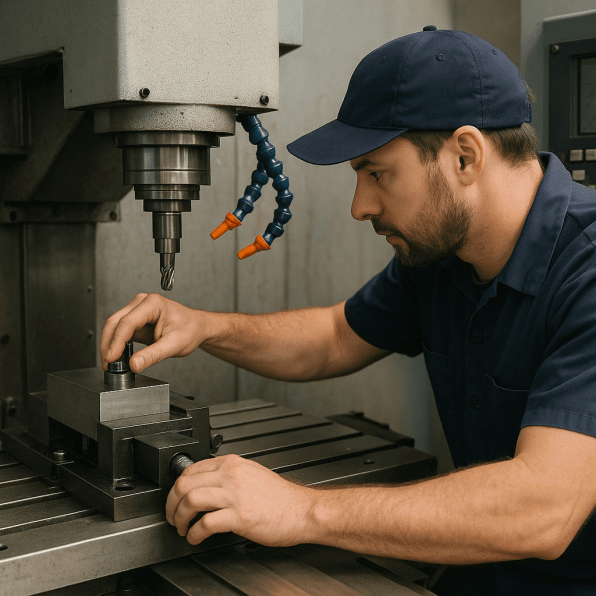
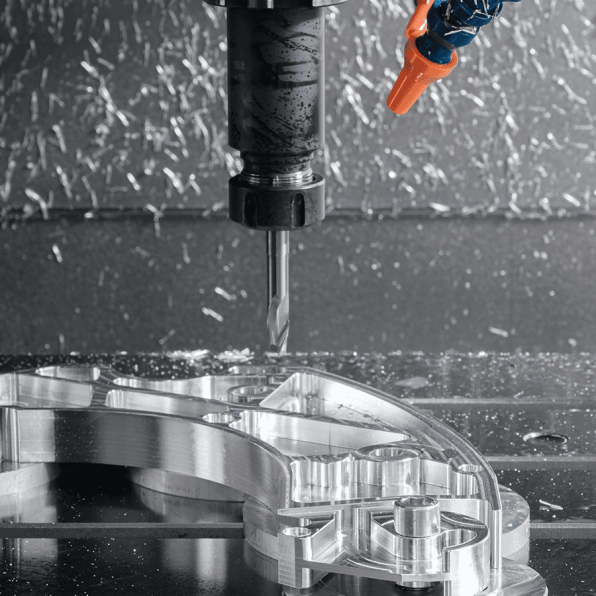
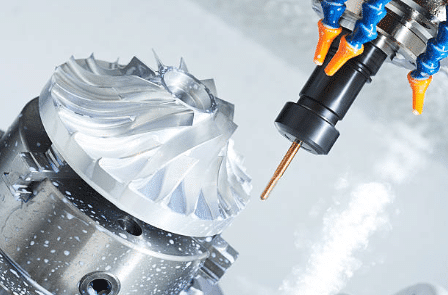
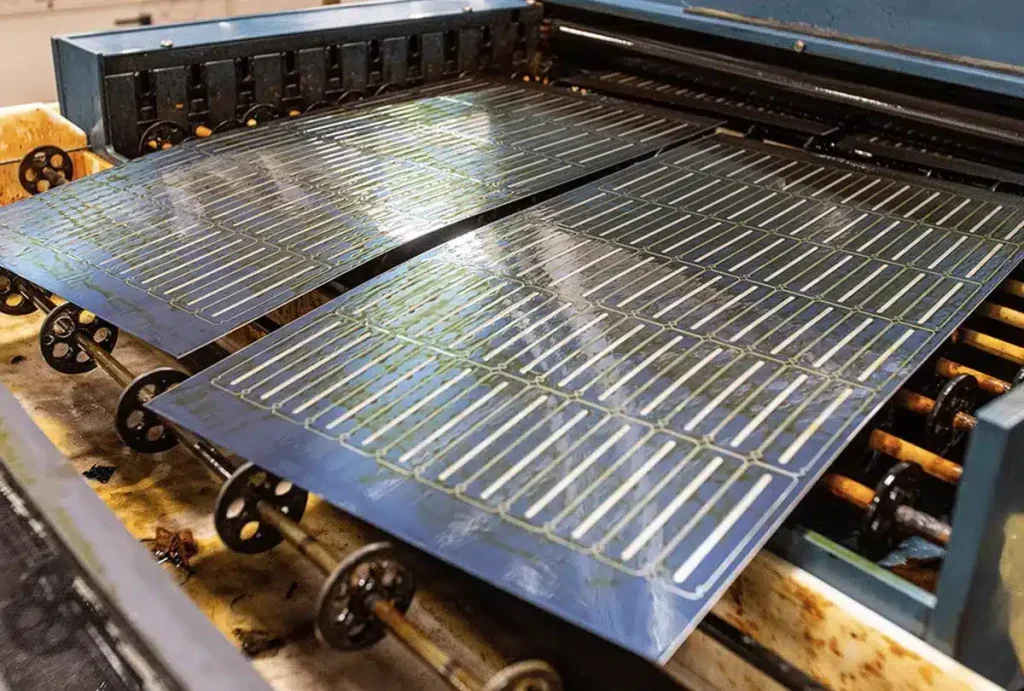
CNC machining is a subtractive manufacturing process. It uses computerized controls and machine tools to remove layers of material from a blank to form a finished piece. The piece to be machined is secured in the CNC machine tool using a jig or work-holding tool. This prevents it from moving around during the machining process.

CNC-milling-machine-setup-chat-gpt
02 Machining

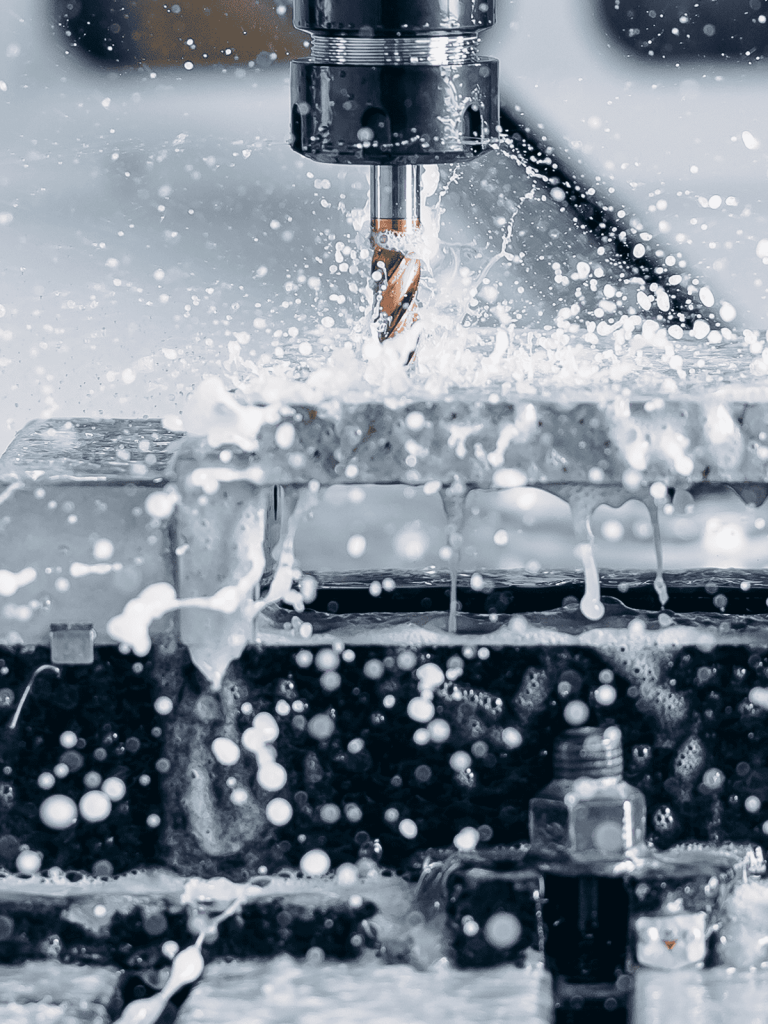
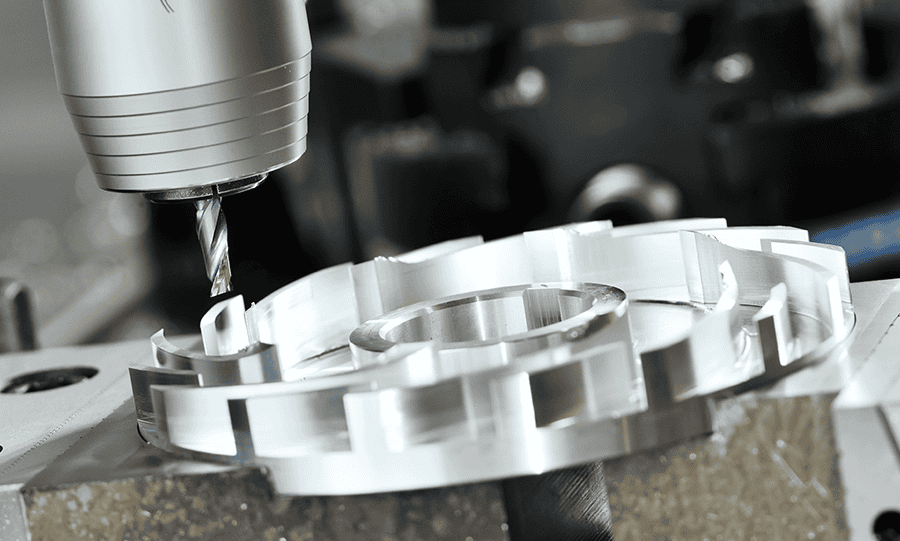
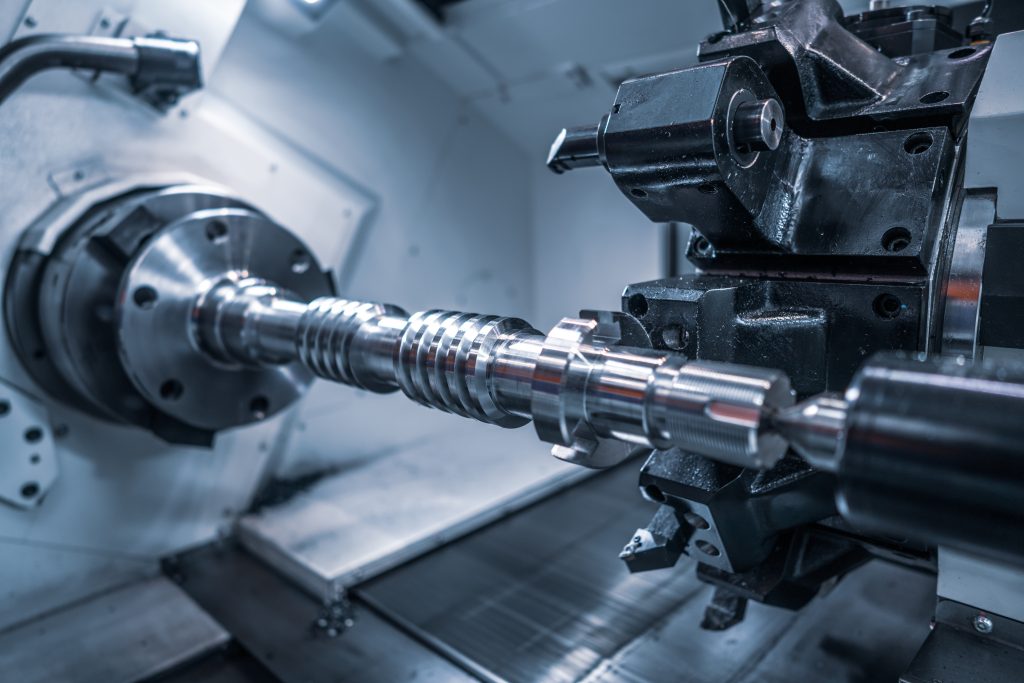
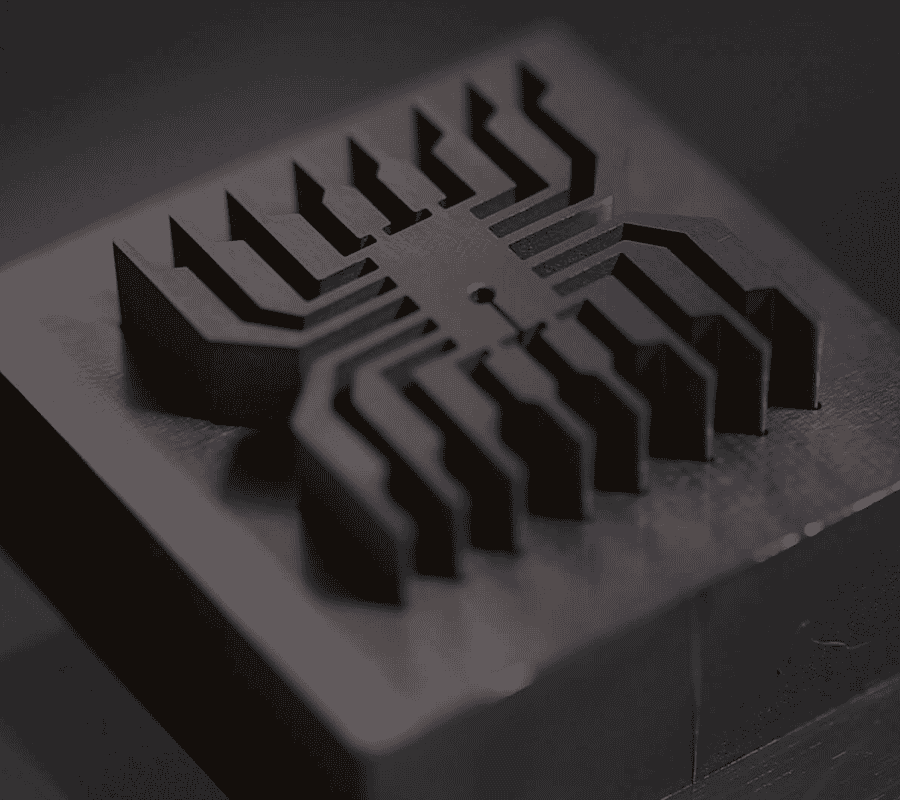
Three basic types of CNC machining are drilling, milling and turning. For CNC drilling, drill bits are used to make cylindrical holes in the workpiece. Usually, these holes are used for screws or other fasters. CNC milling uses a rotating tool to remove material from the workpiece, often at multiple angles and axes. In CNC turning, material is removed as the workpiece spins on a lathe.

cnc_mill_3
03 Post-Processing

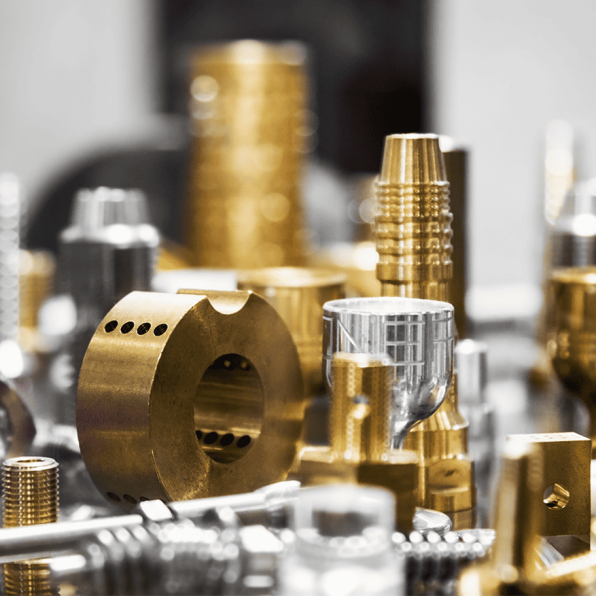
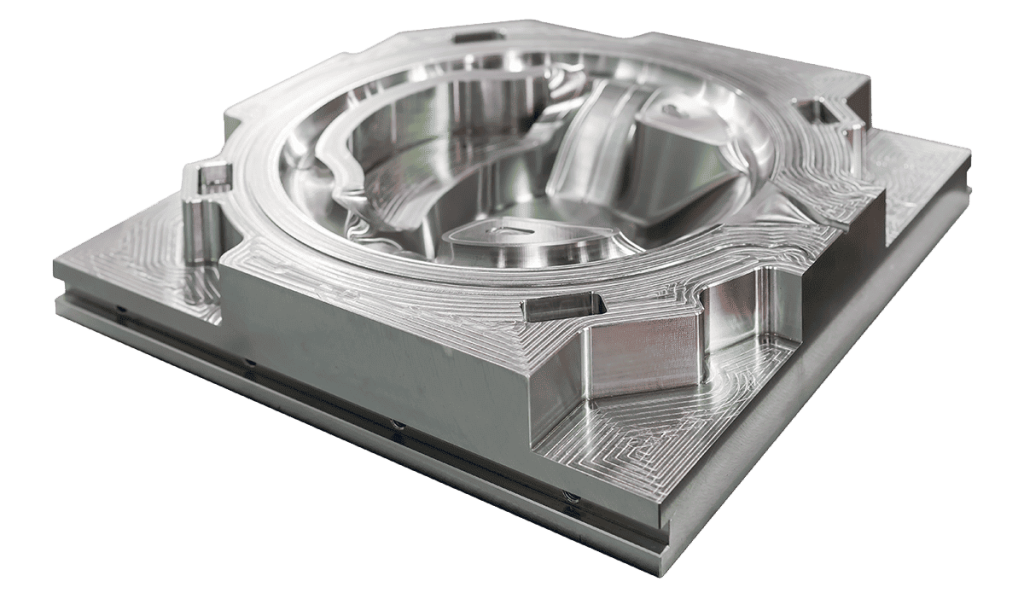
Post processing helps ensure a uniform appearance from part to part. Some CNC machines may leave visible tool marks on the piece after production. Post-processing may include bead blasting to remove tool marks or painting to achieve a desired color. Anodizing or coating may be used to enhance the qualities of the metal or plastic part.

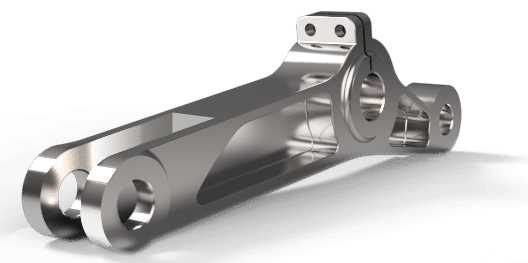
cnc_materials

Fathom’s CNC Machining Services

Precision and hands-on expertise for your most demanding applications

Find the Ideal Machinable Material for Your Part

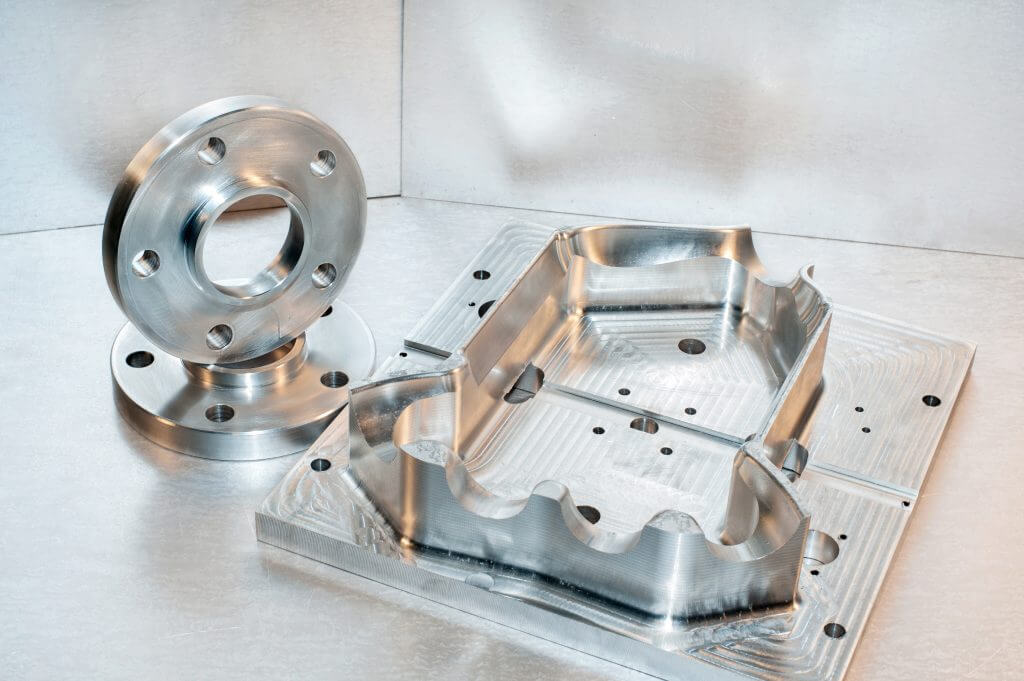
Compare metals and plastics for CNC machining with full property details, tolerances, and suitability notes. Engineered to help you make informed decisions for precision, durability, and performance.

Download Material Datasheet
thumbnail_material_CNC

Real Customers. Real Results.

Fathom customers love our hands-on approach to engineering and production. This personalized approach is reflected in these CNC Machining technology case studies.

CNC Machining FAQs

Learn more about this popular family of manufacturing technologies

Q.
What types of materials can be CNC machined?

A.

Metal and plastic are the most commonly machined materials. Foam and wood can also be shaped using CNC machining, ideal for creating molds for different types of casting and FRP part production.


Q.
What are the advantages of 5-axis CNC machining?

A.

A 5-axis CNC machine tool, the cutting tool can move on the X, Y and Z linear axes and the workpiece can be rotated in the A and B directions. This enables the cutting tools to reach any point on the surface of the part. 5-axis machines are used to produce more complex part geometries often required by the aerospace, defense and medical industries.

Q.
What types of materials can be processed using CNC machining?

A.

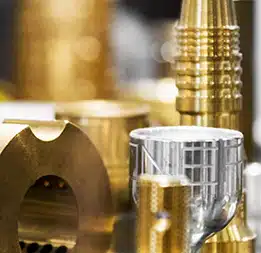
Fathom commonly machines stainless steel, low-carbon steel, aluminum, brass, titanium and Inconel. Plastic materials include HDPE, polycarbonate, ABS, nylon and acetal.

Q.
What does it mean that CNC machining is a form of digital manufacturing?

A.

Updating the design of a part is as simple as modifying the CAD file and then generating new code to drive the CNC machine tool. That’s it. No additional tooling or preparation is needed. You can immediately start machining the new version of your part. That’s the beauty of digital manufacturing!

Q.
Why is material hardness a crucial factor for CNC machining?

A.

It can significantly impact:

  • The ease of cutting
  • Tool wear
  • Machining speed
  • The overall quality of the finished part

For hard materials, special tools are often required to withstand the increased wear and tear they cause. Instead of carbide steel tools, you may need to use tungsten carbide or diamond-tipped tools that are designed for this type of work. Improper machining techniques can cause excessive heat or tool wear, leading to poor surface quality.

Q.
What are the limitations of CNC machining?

A.

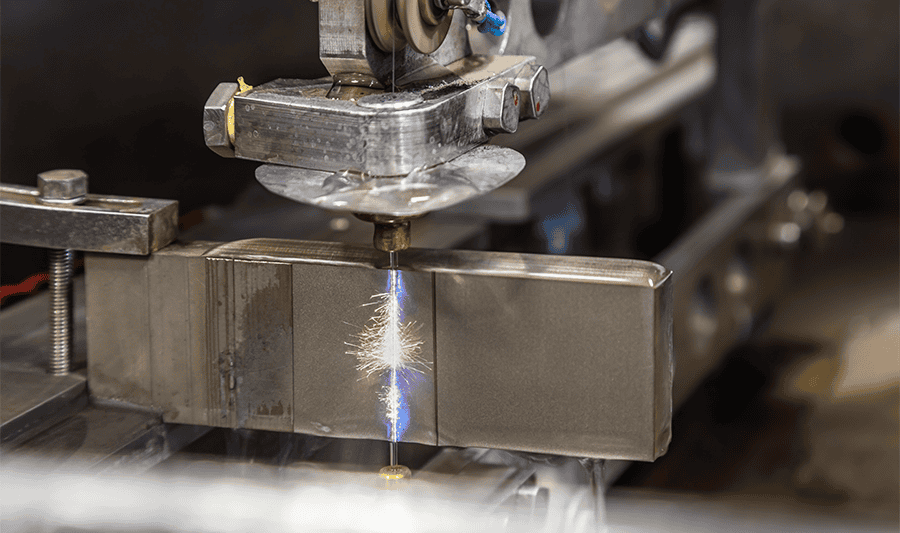
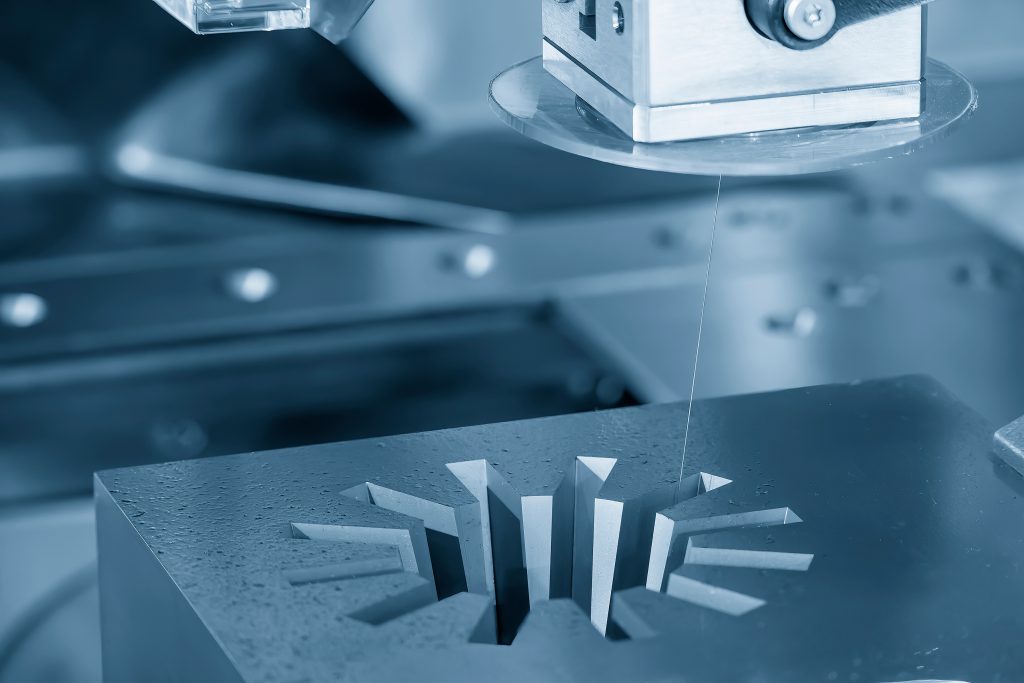
CNC machine cutting tools have a cylindrical shape and a flat or rounded end. This can restrict the possible geometry of CNC-machined parts. For example, the inside vertical corners of the part will have a radius, even if a small cutting tool is used. Sharp inside corners may be difficult to achieve because of the shape of the cutting tool. If you require a part with sharp internal corners, you may need to use wire or sinker EDM cutting.

Tool access is another potential limitation of CNC machining. The workpiece cannot be machined if the cutting tool is unable to reach a surface. This limits parts that require hidden, internal geometries and sets a limit on the maximum depth of an undercut. For parts with complex geometries, internal cavities or deep undercuts, consider using metal 3D printing instead. Fathom can produce high-density metal parts using Direct Metal Laser Sintering (DMLS).

Q.
What’s important to know about designing workholding fixtures?

A.

The geometry of the part will dictate how it will be positioned in the CNC machine and the amount of setup required. Manually repositioning a part can increase the chance of error. Repositioning will impact not only accuracy but often increases the cost of the project. Parts that have rounded or irregular shapes may be hard to secure before machining.

Why Our Customers Trust Fathom

Our expert engineers will help you optimize your part designs for production.
Human-First Engineering
Our expert engineers will help you optimize your part designs for production.
Decades of Expertise
Our engineering and production teams bring decades of expertise and problem-solving to every project.
Integrated Manufacturing & Finishing
We offer manufacturing and full post-processing capabilities under one roof for one point of accountability.
Full Product Life-Cycle Support
We’re your partner from design and prototyping to bridge and full production.

Fathom is Your Product Lifecycle Partner

From early concepts and prototypes to bridge and low-volume production, we’ve got you covered.

Early Concept

We’ll perform a Design for Manufacturability (DFM) analysis to help you optimize your part design for production. Our expert engineers will also identify opportunities for cost reduction in part design, tooling and the proposed production process. Our ultimate goal? To eliminate potential production problems early in your design process.

Rapid Prototyping

Quickly iterate and finalize part designs using our on-demand manufacturing services. Rapid prototyping services employ digital manufacturing methods. They enable designs to move directly from a CAD drawing to a finished plastic or metal part in a matter of hours or days – without the need for tooling. Rapid prototyping can help you bring products to market faster.

Bridge Production

Bridge production can help you solve a number of common problems, including side-stepping tooling delays, meeting regulatory requirements and conducting market research if you’re unsure of demand for your new product. Producing a small quantity of parts enables you to preview a new product to a select audience and make tweaks before you ramp up to full production.

Small-Medium Volume Production

Many third-party manufacturers prefer to avoid low-volume production in favor of long production runs of relatively simple geometries. We specialize in low-volume/high-mix projects. We’re very good at it! Bridge production also makes sense when you’re moving tooling from overseas to domestic production, so you can keep your production line running smoothly.

1 of 1

Start Your Project with a Trusted Manufacturing Partner

Let’s Get Started on Your Project

Every quote is reviewed by an experienced engineer to ensure optimal design, materials and manufacturability, so your part gets made right, the first time.

Let's Go
Robot_Hand_CTA