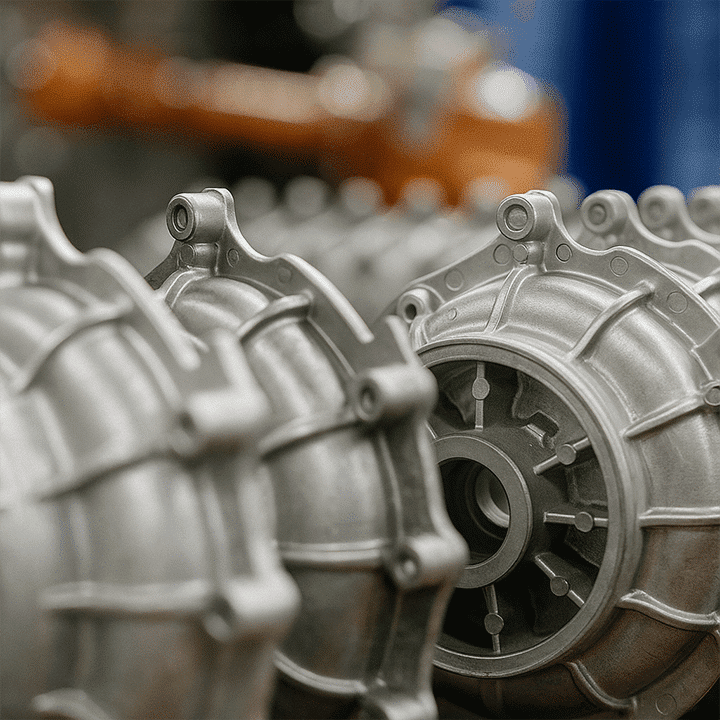
High Pressure Die Casting (HPDC)
-
Precision Parts at Production Speed
-
Complex Designs That Are Perfectly Formed
-
High Strength & Low-Waste Manufacturing
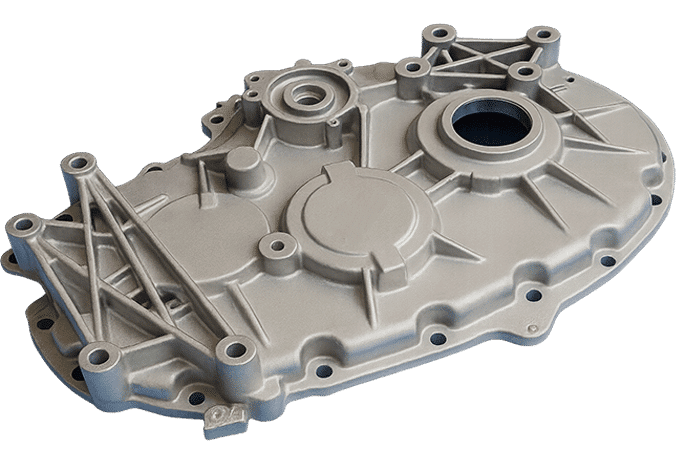
Trusted by Industry Leaders


How Does High-Pressure Die Casting Work?
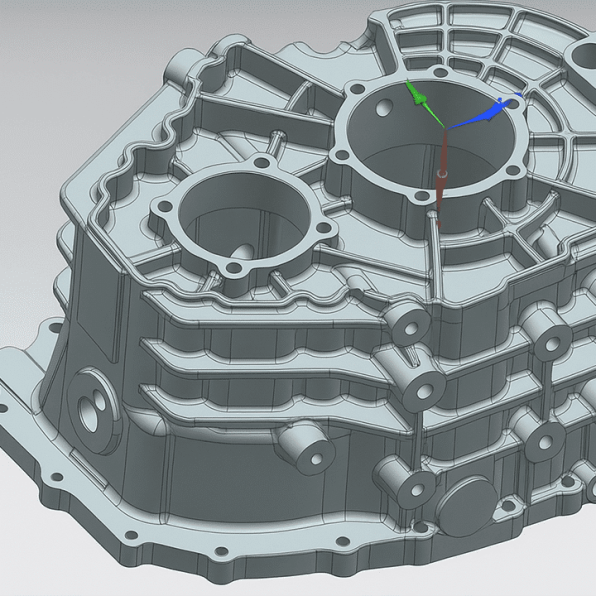
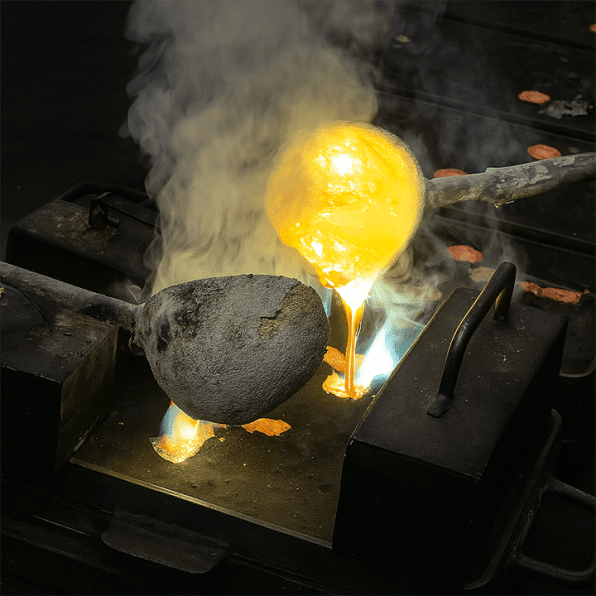
Is High-Pressure Die Casting a Fit For Your Needs?
Advantages
-
Precision
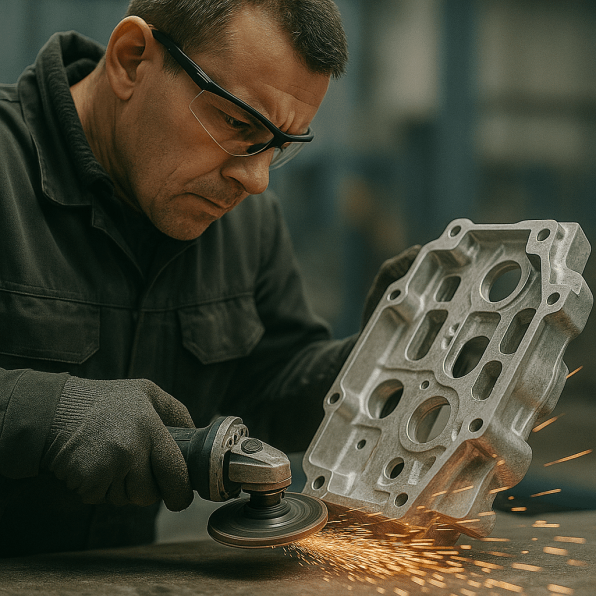
High-Pressure Die Casting (HPDC) can produce parts with tight tolerances and smooth surfaces that often do not require further machining. It is ideal for components such as automotive housings, where precision and aesthetic quality are critical.
-
Production Efficiency
This process is highly automated and has short cycle times, typically less than a minute per part. This enables large-volume production runs where quality is consistent and per-unit costs are low.
-
Complex Shapes and Thin Walls
The high pressure ensures filling of intricate features and thin walls. This enables the production of lightweight, compact designs that would be difficult or impossible to achieve with other casting methods.
-
Mechanical Properties
Rapid solidification refines the metal’s microstructure, which improves strength and hardness. As a result, HPDC parts are often suitable for load-bearing or structural applications.
-
Minimal Post-Processing
Parts often emerge with a near-net shape and smooth surface, requiring only trimming or light machining. This reduces finishing time and total manufacturing cost.
Disadvantages
-
High Initial Costs
Hardened steel dies are costly to create. Therefore, HPDC is mainly viable for high production runs, where tooling costs can be amortized over a large volume of parts.
-
Material Limitations
The high pressures involved in HPDC, and the fact the dies are made of steel, means the process is generally restricted to non-ferrous metals such as aluminum, magnesium and zinc. Ferrous metals would damage the die at required casting temperatures.
-
Porosity and Reduced Ductility
Internal porosity can occur if air is trapped during the injection process. This limits the use of HPDC parts in applications that require heat treatment or pressure-tight sealing.
What Industries Are The Best Fit For High-Pressure Die Casting?
HPDC is an ideal choice for high-volume, high-performance manufacturing. It benefits those industries that require components that are complex, light and have a high-quality surface finish.
Automotive
HPDC is widely used to manufacture engine blocks, transmission cases, housings and structural components. It enables lightweight, strong parts with complex geometries, ideal for improving fuel efficiency and performance.
Aerospace
Aircraft components such as brackets, housings and fittings are often produced using HPDC. The method provides the precision, dimensional stability and weight reduction demanded in aerospace applications.
Electronics
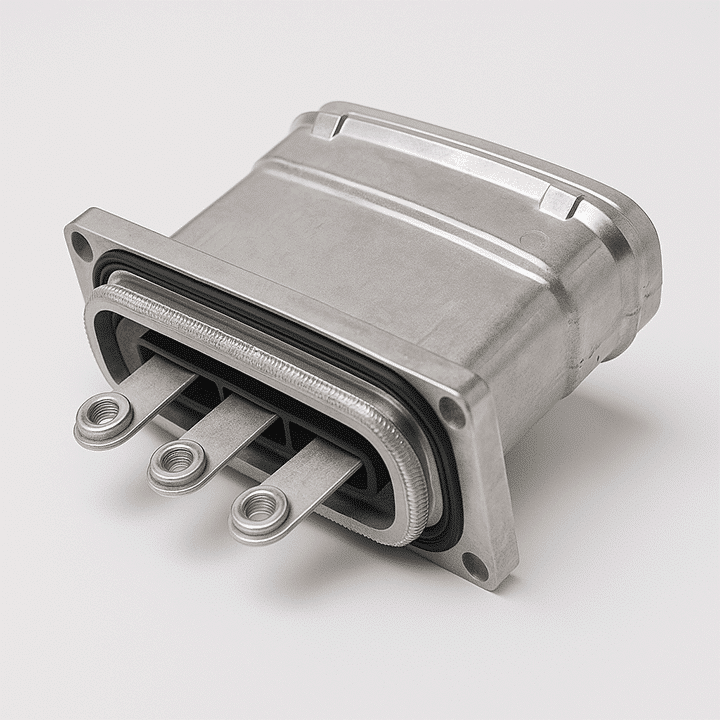
HPDC is used to produce enclosures, heat sinks and connector housings. It offers exceptional thermal conductivity and finishing.
Consumer and Industrial Equipment
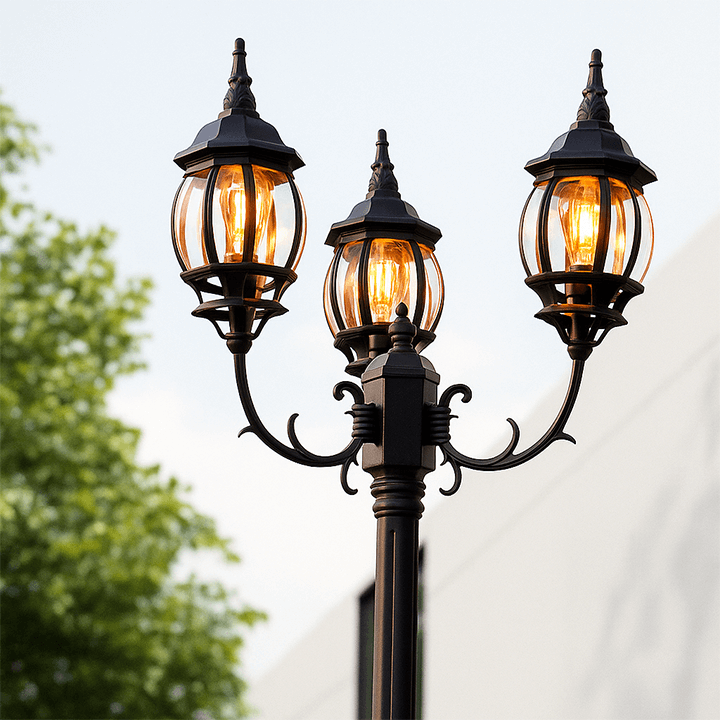
Products such as power tools, lighting fixtures and appliance housings frequently incorporate HPDC components. The process delivers durable, attractive and cost-effective parts.
Explore Fathom’s Full Range of Manufacturing Equipment
Download our complete machine list for a detailed look at our capabilities across CNC machining, additive, molding, and fabrication.
Why Choose Fathom for High Pressure Die Casting
-
Our expert engineers will help you optimize your part designs for production.
-
Our engineering and production teams bring decades of expertise and problem-solving to every project.
-
We offer manufacturing and full post-processing capabilities under one roof for one point of accountability
-
We’re your partner from design and prototyping to bridge and full production.