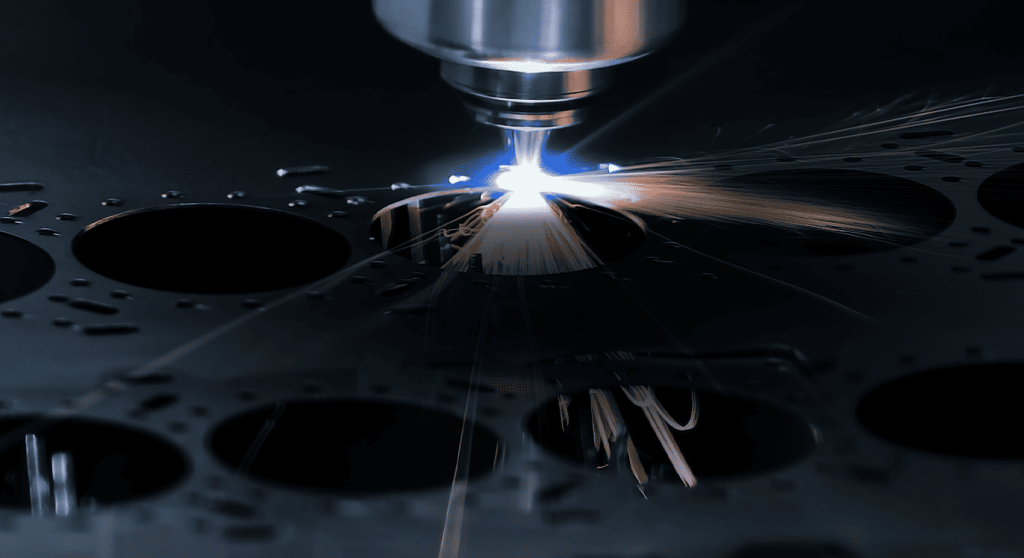
Laser Cutting
-
Precise & High Quality Cut Edges
-
Production-Grade Repeatability
-
Eliminates Need for Additional Finishing
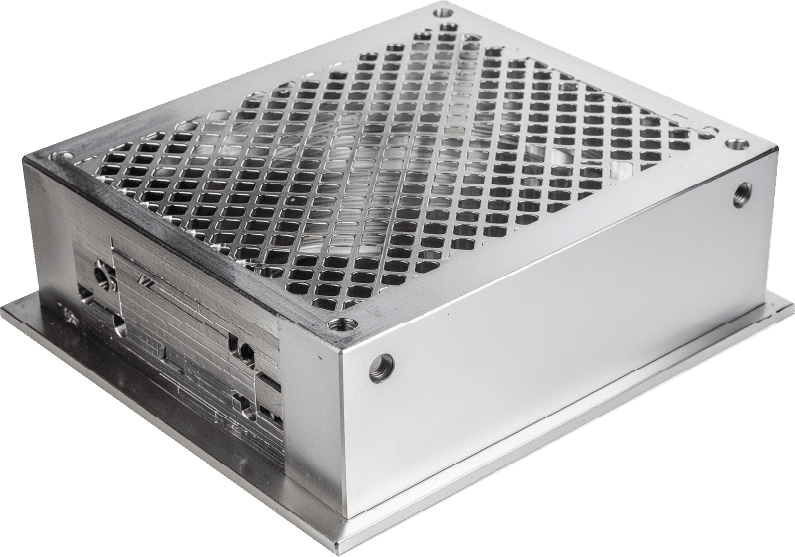
Trusted by Industry Leaders


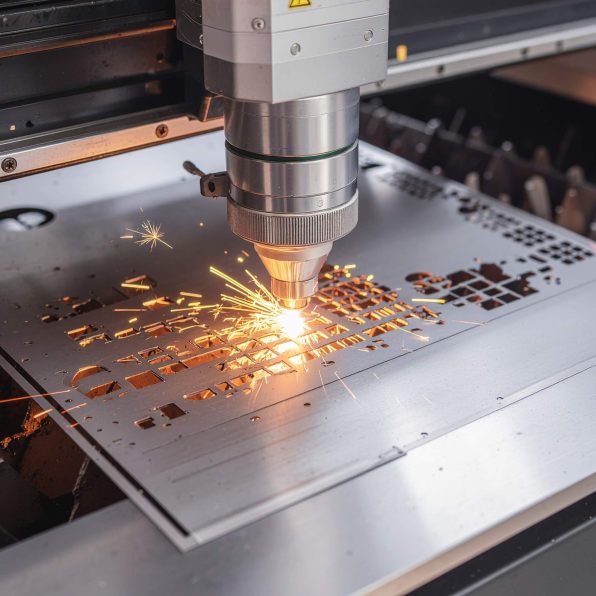
How Laser Cutting Works
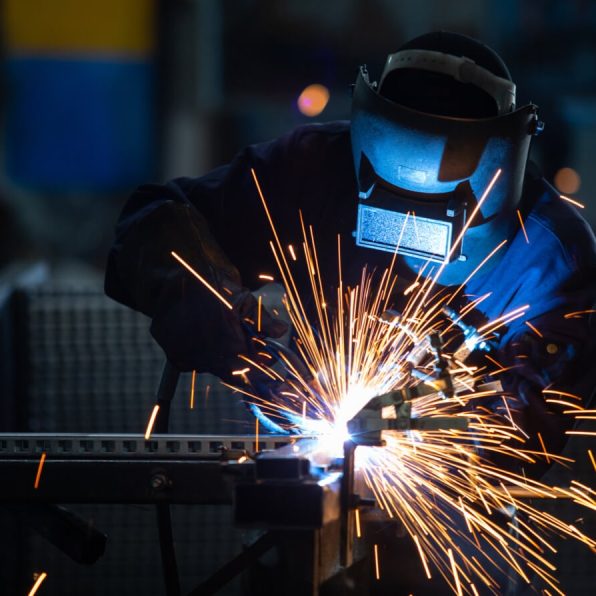
Advantages & Disadvantages of Laser Cutting
Advantages
-
Affordability
High speed and high quality make industrial laser cutting very cost-competitive and a real value for our customers. It’s an ideal process for prototype to low-volume production quantities of laser cut parts.
-
Automation
Laser cutters at our Denver facility are equipped with automatic loading and unloading systems, enabling us to process large orders on a lights-out basis. That helps us keep our costs competitive and helps us deliver your finished parts faster.
-
Precision Details
Laser cutting can produce small, precise holes and fine details in sheet metal.
-
Tight Tolerances
CNC controls maintain critical tolerances while accommodating fine features and larger blank sizes.
-
Quick Turn-Around
Laser cutting jobs can be set up and running quickly – perfect for fast turnarounds on small batches of parts. Because laser cutting doesn’t apply any physical forces to the sheet metal, it doesn’t need to be held in place with jigs or work-holding fixtures. That speeds up the setup and production times.
-
Little or No Finishing Required
Industrial laser cutting produces high-quality edge finishes that require little or no post-processing. Some cleanup of burn marks may be required.
-
Maximize Material Use
Multiple parts can be cut from the same sheet. That helps to minimize waste.
Disadvantages
-
Heat-Affected Zones
Because laser cutting generates heat, it can alter the chemical and structural characteristics of the metal near the cutting edge – called “heat-affected zones” (HAZ). Effects may include oxidation, brittleness and corrosion. However, laser cutting generates smaller heat-affected zones than other thermal cutting techniques.
-
Material Limitations
Laser cutting can’t cut through thicker sheet metal. Water jet cutting works better for thick materials.
Applications That Can Benefit From Laser Cutting
Automotive & Aerospace
These industries need precise, high-tolerance parts for a variety of applications. Laser cutting can cut complex shapes in tough metals that are needed for these demanding industries.
Medical Equipment
Laser cutting is used to cut large panels for X-ray and MRI machines. It’s also used to build enclosures for a variety of monitoring equipment. The exceptional efficiency of laser cutting makes it a popular choice for cost-conscious medical device manufacturers.
Electronics
Laser cutting of sheet metal is used to create enclosures and precision components for a wide variety of electronic devices. Its quick turnaround makes it especially attractive as a tool for rapid prototyping of new devices.
Off-Highway Equipment
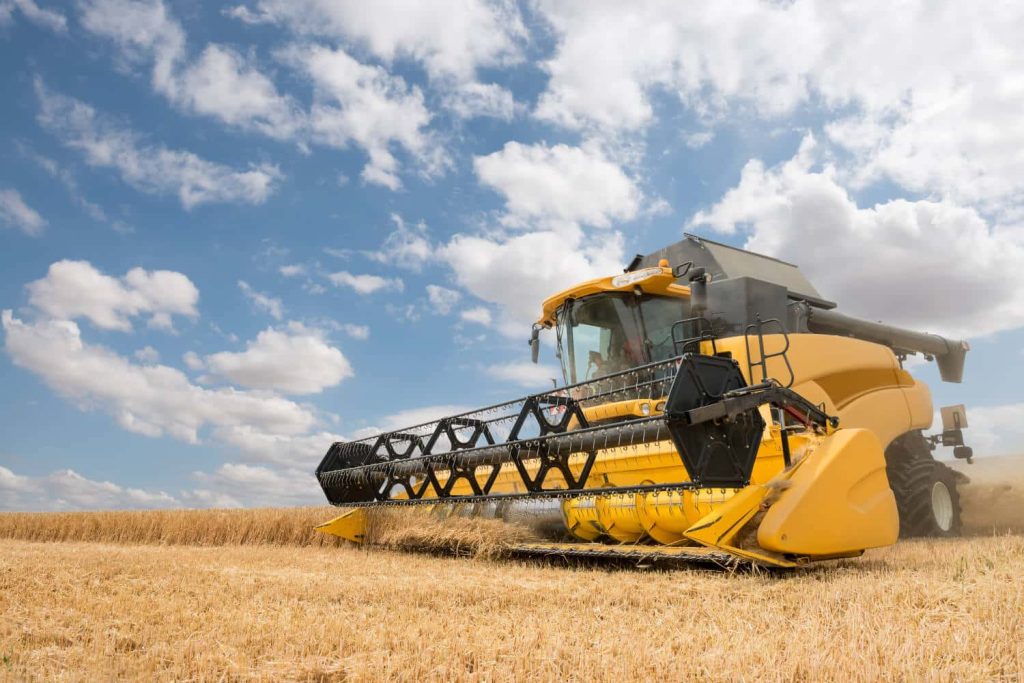
Laser cutting is used to cut durable body panels and other components for construction, mining and agricultural equipment.
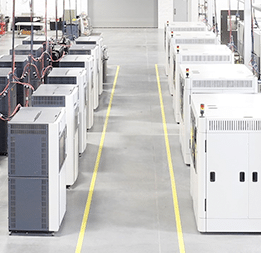
Explore Fathom’s Full Range of Manufacturing Equipment
Download our complete machine list for a detailed look at our capabilities across CNC machining, additive, molding, and fabrication.
Why Our Customers Choose Fathom
-
Our expert engineers will help you optimize your part designs for production.
-
Our engineering and production teams bring decades of expertise and problem-solving to every project.
-
We offer manufacturing and full post-processing capabilities under one roof for one point of accountability
-
We’re your partner from design and prototyping to bridge and full production.