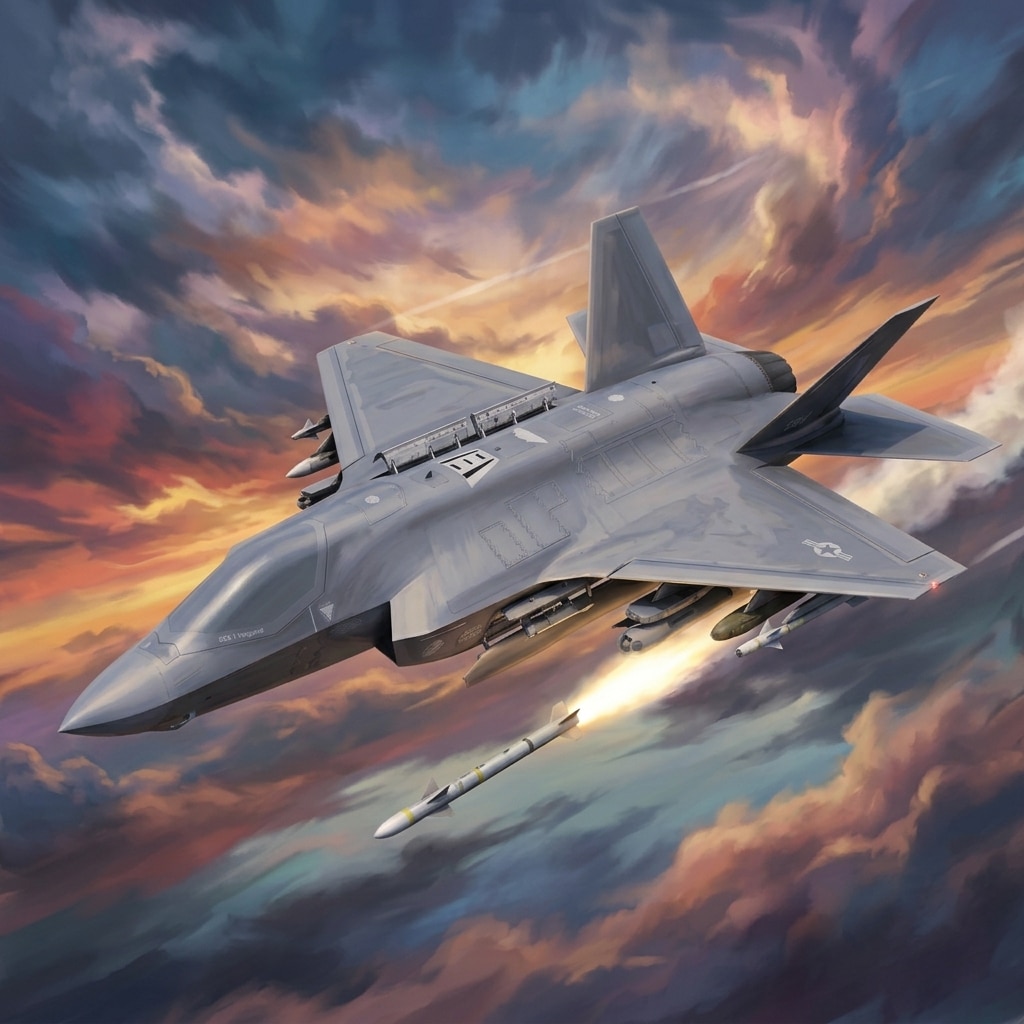
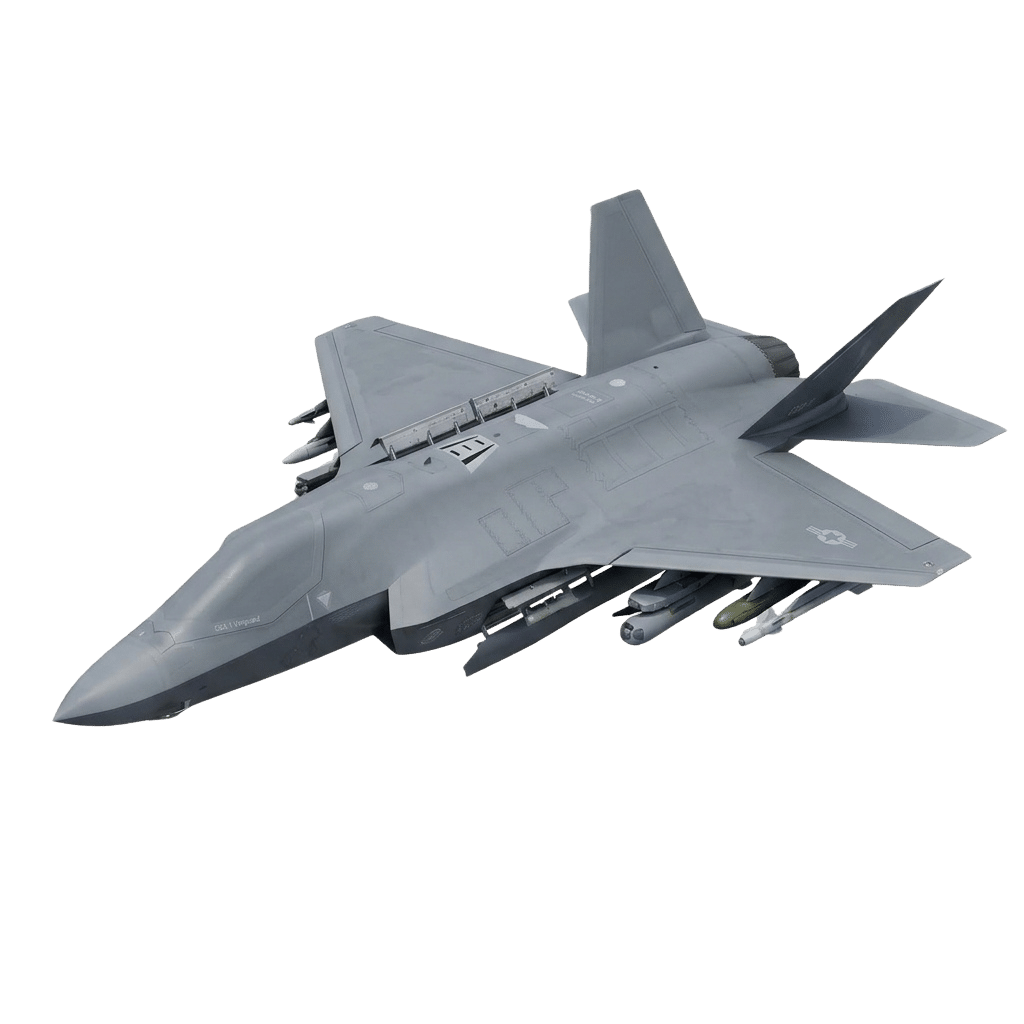
Uncrewed Tactical Aircraft
Fathom Helps Move Flight-Critical Airframe Structures From First Article to Production Intent
-

Client
A U.S. manufacturer of jet-powered uncrewed tactical aircraft
-

Industry
Aerospace & Defense
-

Capability
Design for Manufacturability (DFM), 5-Axis CNC Machining, Precision Sheet Metal Fabrication, Additive Prototyping, First Article and Dimensional Inspection

40% Part-Count Reduction on Actuation Interface Hardware

11 ECOs Absorbed With No Schedule Slip

22% Lower Piece-Part Cost at Production Intent
Fathom Helps Engineer an Airframe That Can Keep Changing
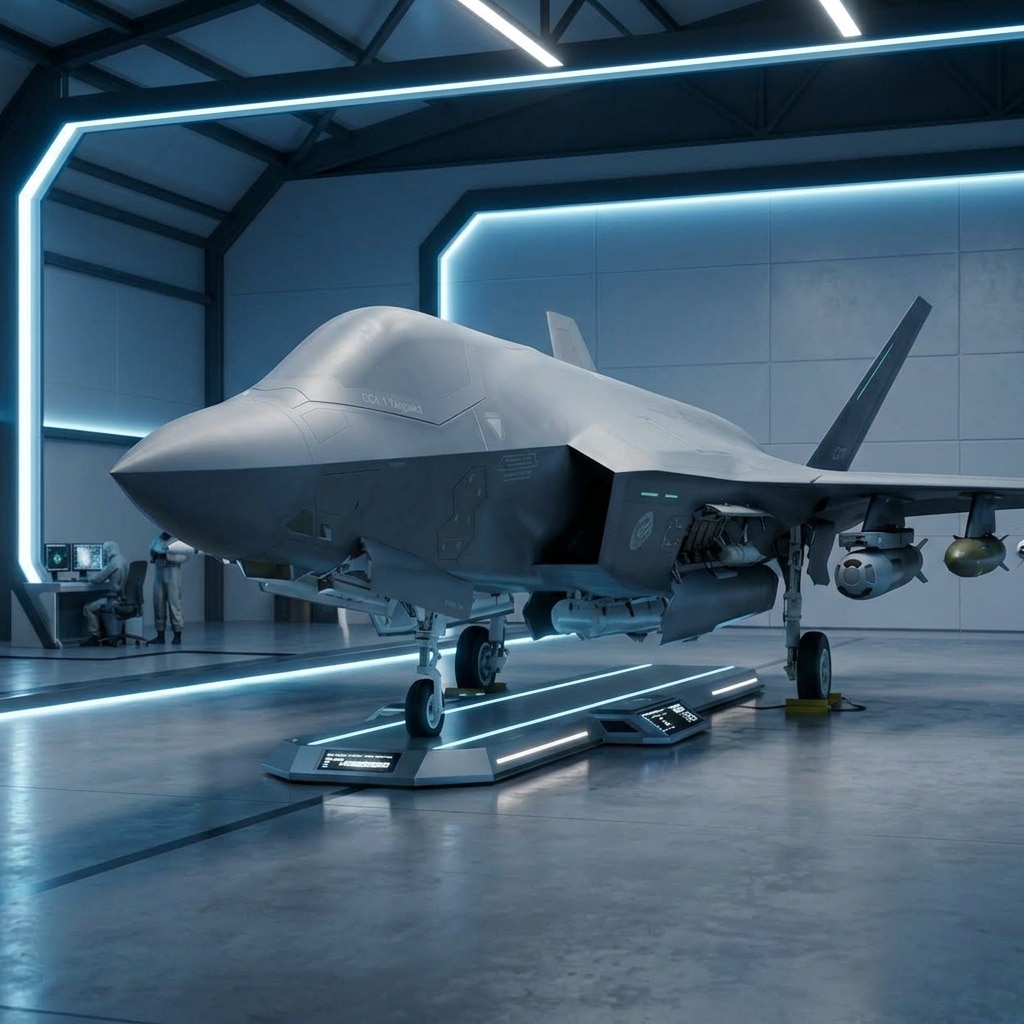
An uncrewed tactical aircraft program was building airframes against anticipated demand, which meant committing to production hardware while flight test data was still reshaping the design.
Fathom applied DFM to the aircraft’s actuation interface fittings, bulkhead and rib structures, and access panel hardware, then carried those parts through 11 engineering changes without breaking the production schedule.
The Problem
-
The airframe’s structural hardware sat at the intersection of two competing demands. Actuation interface fittings, bulkhead details, rib structures, and access panel hardware all carried flight loads, held tight tolerances in aluminum and titanium, and required full traceability.
-
At the same time, every one of them was still moving. Fit checks, weight targets, and structural margin drove geometry changes from lot to lot.
-
The program’s existing suppliers treated each engineering change order as a new job. Requote, re-fixture, rejoin the queue. A revision that took engineering two days to release took the supply base weeks to absorb, and the airframe became the long pole in a schedule the program could not afford to extend.
The Solution
-
DFM Review: Fathom’s engineering team reviewed the structural hardware before any production tooling was committed.
-
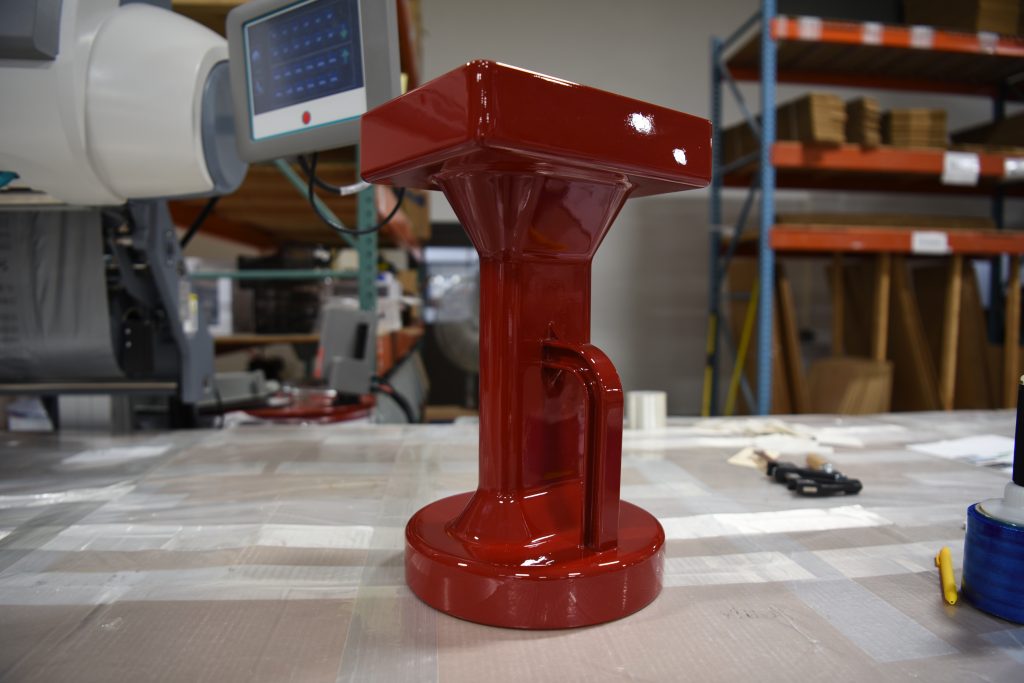
On the actuation interface assembly, Fathom consolidated a five-piece bracket and shim stack into a single 5-axis machined fitting, cutting part count by 40% and removing the fastened joints that had been driving stack-up variation at the control surface.
-
On the bulkhead and rib details, the team standardized internal corner radii to a common cutter, opened non-critical tolerances so only true mating interfaces were held tight, and adjusted pocket geometry for cutter reach.
-
On the access panels, revised bend reliefs and flange geometry let the parts form on standard tooling. Together those changes took 22% out of piece-part cost before production began.
-
Revision Control: Fathom printed additive fit-check hardware to validate geometry against the surrounding structure, then machined production-intent parts once each interface settled.
-
Engineering changes came back as redlines against a controlled revision rather than a fresh quoting cycle, and eleven ECOs were incorporated across the program.
-
Every lot shipped with first article inspection, dimensional reports, and material certifications aligned to AS9100D requirements, so the documentation trail held through the change history.
The Results
-
The program moved from prototype to production-intent hardware without a supplier handoff. The same team that printed fit-check parts machined the qualification hardware, which kept the geometry, the tolerancing rationale, and the inspection history in one place as the design matured.
-
Eleven ECOs went through without a schedule slip, letting engineering keep iterating on fit and structural margin while airframes were being built. The DFM work landed a 22% piece-part cost reduction early, when the program could still act on it, rather than after production tooling locked the design in.