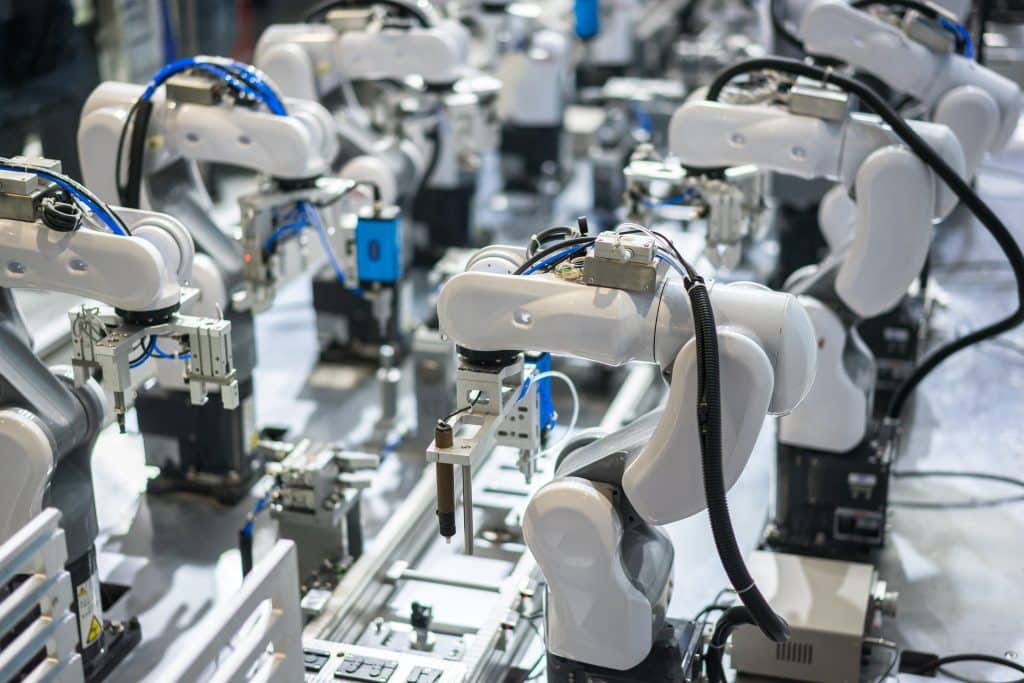
Robotics Webinar: Why Robotics Hardware Can’t Keep Up With Robotics Innovation
Why This Conversation Matters Now
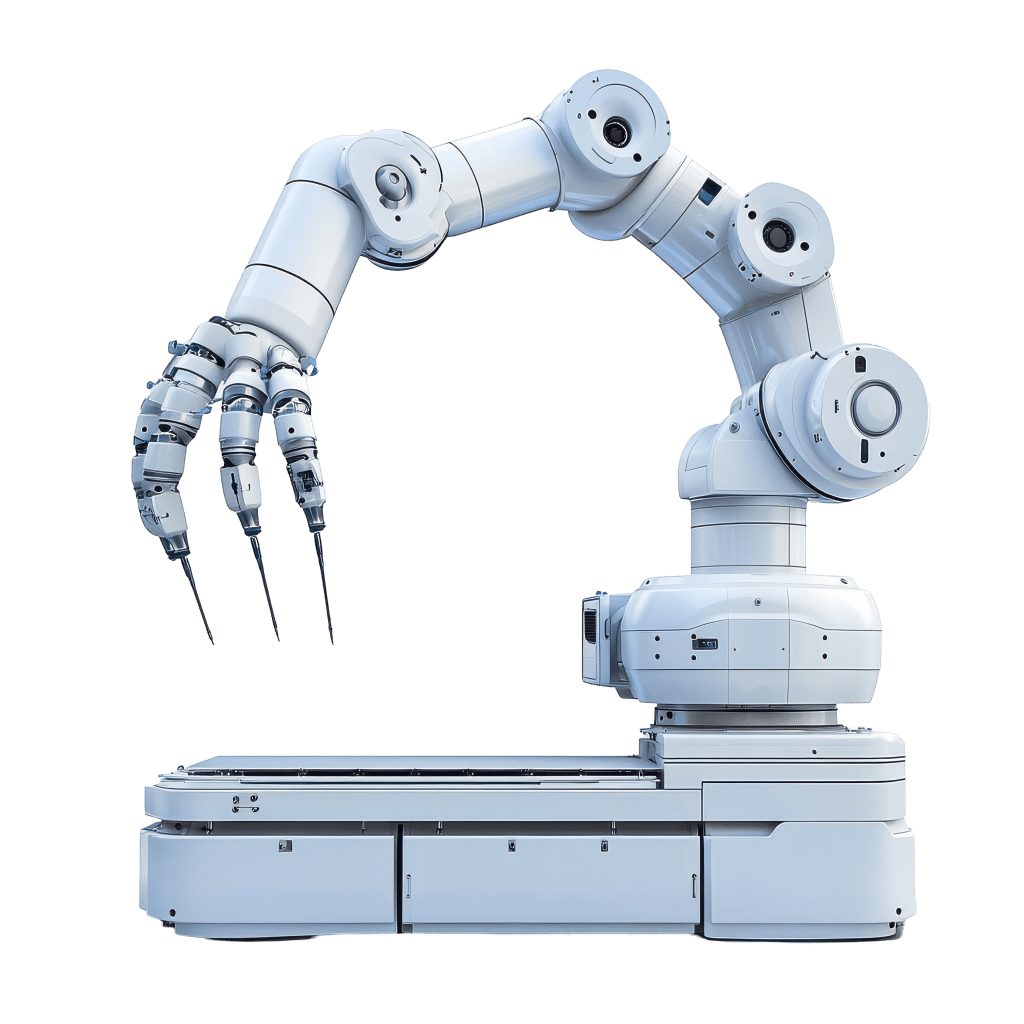
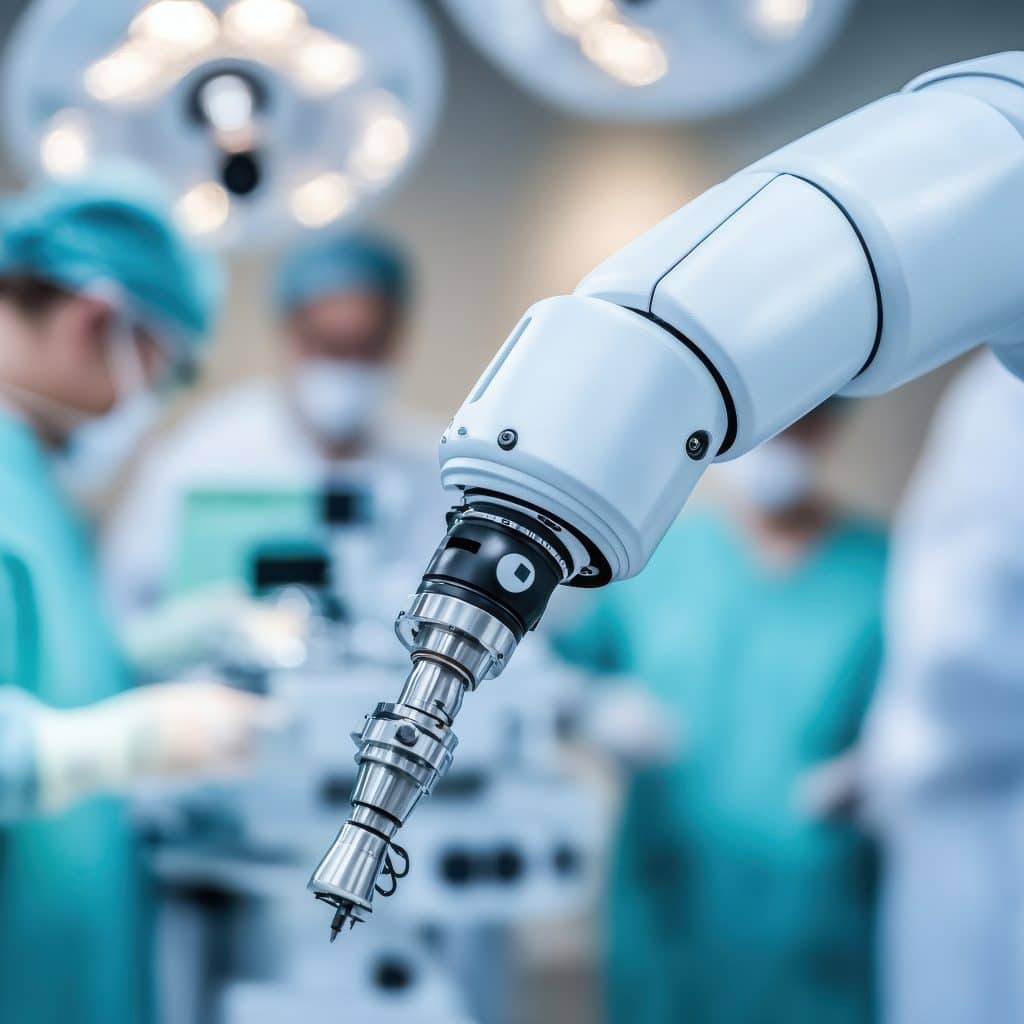
Robotics innovation is accelerating. Humanoid robots, autonomous systems, industrial automation, medical robotics, and AI-enabled machines are moving from concept to market faster than traditional hardware development cycles can support.
But while software can iterate continuously, hardware still has to be sourced, manufactured, tested, validated, and scaled. That is where the pressure is building.
Why Robotics Needs a New Manufacturing Response

26–52
Scaling
Hardware
Readiness
Watch On-Demand
Why Robotics Hardware Can’t Keep Up With Robotics Innovation
A Live Executive Panel Discussion On The Manufacturing Gap Holding Robotics Companies Back

Our Panelists

Ted Rozier

Courtney Fernandez

Bobby Yousesefi
What We’ll Explore
-
The Hardware Bottleneck Behind Robotics Innovation
- Why AI and software development cycles are outpacing physical manufacturing timelines
- Where robotics hardware teams are feeling the most pressure
- Why speed to prototype does not always translate to speed to scale
-
The Hidden Cost of Prototype-Stage Decisions
- How early design choices can create production, quality, and sourcing challenges later
- Why manufacturability needs to enter the conversation earlier
- What engineering and NPI teams should evaluate before moving beyond prototype
-
Supply Chain Pressure in Robotics Manufacturing
- Why long-lead components are forcing earlier planning and greater sourcing discipline
- Where supplier limitations can slow commercialization
- How robotics companies can reduce risk through smarter manufacturing and sourcing strategies
-
What It Takes to Move From Prototype to Production
- How to identify the right manufacturing path for complex robotics hardware
- Why cross-functional alignment matters across engineering, supply chain, and operations
- What separates robotics companies that scale successfully from those that stall after prototype
Who Should Attend?
This session is designed for leaders responsible for developing, sourcing, and scaling robotics and automation hardware, including:
- Robotics engineering leaders
- New product introduction and product development teams
- Supply chain and sourcing leaders
- Operations and manufacturing decision-makers
- Product leaders bringing robotic systems to market
- Executives navigating commercialization, scale, and production readiness
If your organization is building robotic systems, preparing to scale production, or trying to reduce the friction between innovation and manufacturability, this discussion is built for you.