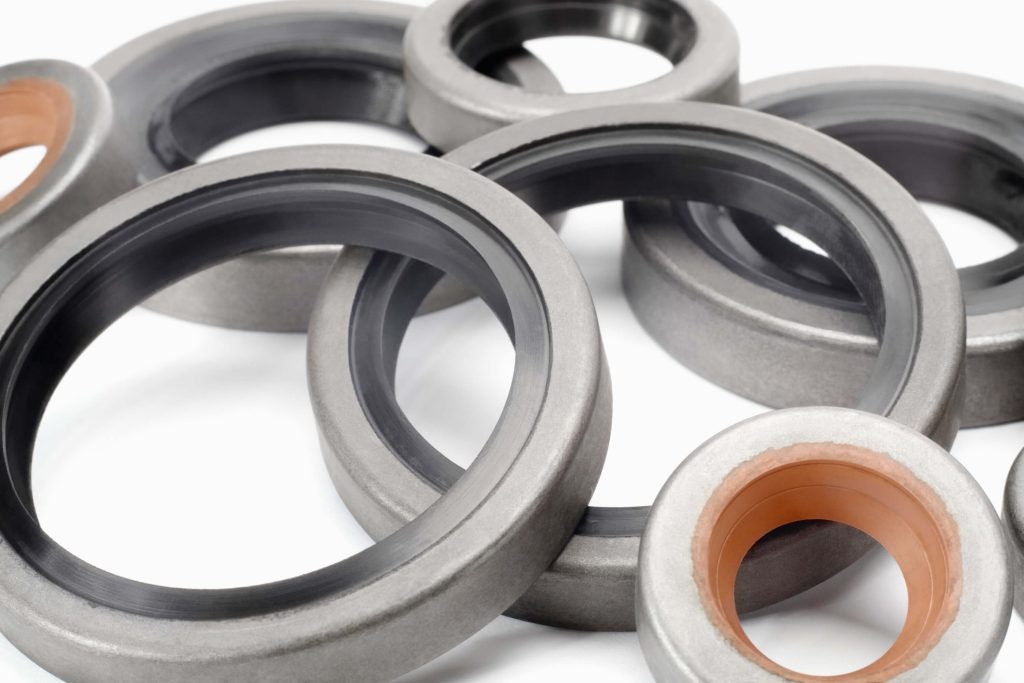
Compression Molding
-
Durable Parts With Excellent Dimensional Stability
-
Low Tooling Cost Makes It Affordable
-
Cost-Effective For Short Production Runs
Trusted by Industry Leaders


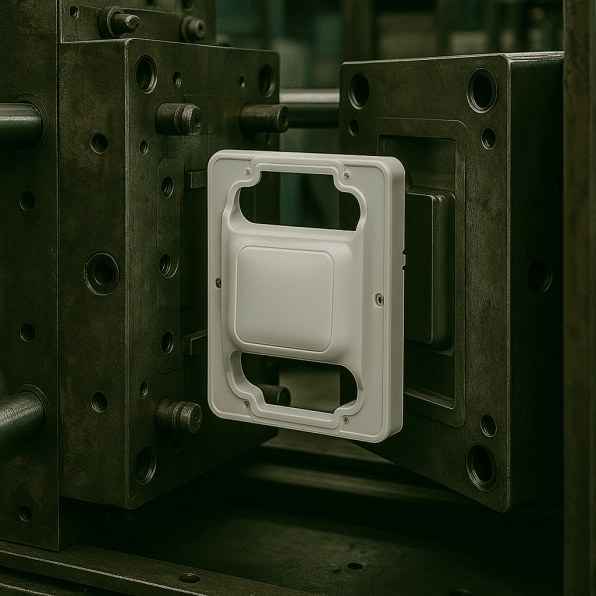
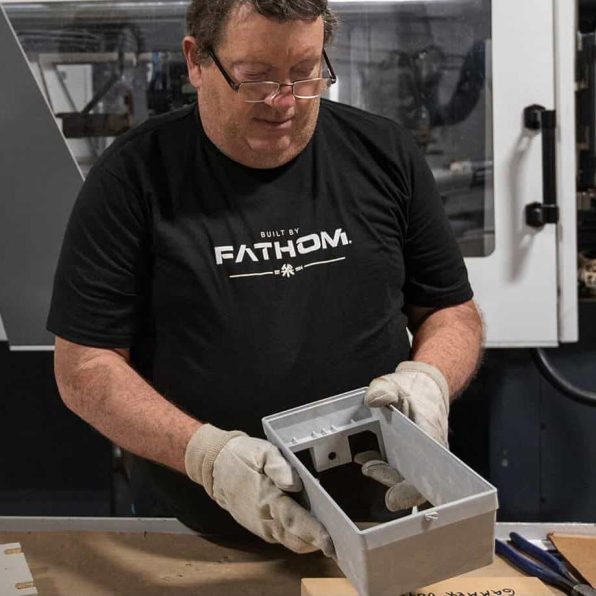
How Does Compression Molding Work?
Is Compression Molding the Right Choice for my Application?
Advantages
-
Lower Tooling Cost
Cost is one of the driving factors behind the popularity of compression molding. Compression mold tooling is much cheaper than tooling for a comparable process like injection molding. Unlike injection molding, compression molds do not require the gates and runners.
-
Cost-Effective for Short Production Runs
The lower tooling and setup costs make compression molding economical for smaller production quantities.
-
Improved Dimensional Stability
Compression molding avoids the flow and knit lines that can cause defects (common in injection molded parts), leading to greater dimensional stability and lower warping. There’s also less need for post-processing to remove marks left by gating and knit lines.
-
Strong & Durable Parts
The high pressure and heat of compression molding create dense, solid parts with high structural stability and excellent mechanical properties.
-
Insert Molding
Compression molding can easily incorporate other materials or components, such as metal inserts, during molding.
Disadvantages
-
Longer Cycle Times
The process requires extended time for heating and cooling, making it significantly slower than methods like injection molding.
-
Hard to Automate
Compression molding is less automated than other processes, requiring more manpower for loading material and removing flash, which increases labor costs.
-
Potential for Defects
Compression molding can be susceptible to defects like voids or air bubbles if the material doesn’t flow evenly.
-
Limited Complexity
Using compression molding. It’s difficult to produce parts with highly complex or intricate geometries, thin walls or sharp details.
-
Lower Precision
Compared to other types of molding, compression molding may be subject to dimensional inconsistencies. That means it’s not suitable for applications requiring very tight tolerances.
What Industries Utilize Silicone Molding?
Compression molding is favored by many industries for parts that are large, complex, or require high strength, consistent performance and durability.
Aerospace
Compression molding is commonly used to build structural elements like beams, channels and stringers. They’re often incorporated into satellites and launch vehicles. Seals, o-rings and integrated fasteners are also used in this demanding industry.
Medical
The durability of compression molded parts make them a preferred solution in many types of medical products, including respirator masks and components, prosthetic limb parts, diagnostic equipment housings and implantable devices, such as vascular grafts.
Automotive
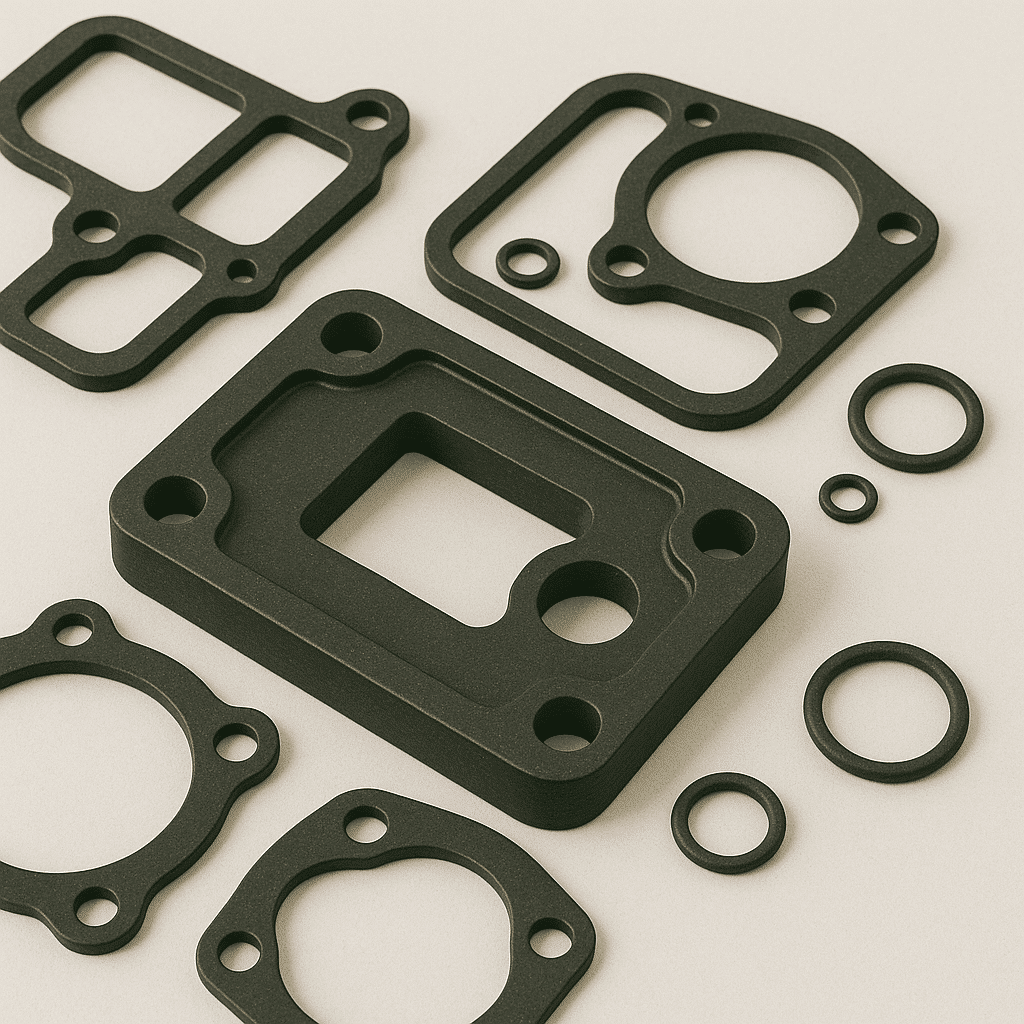
Tough, durable compression molded parts are typically used on exterior and interior body panels like fenders and bumpers, engine and under-the-hood components, dashboards and interior trim, and seals and gaskets.
Electrical
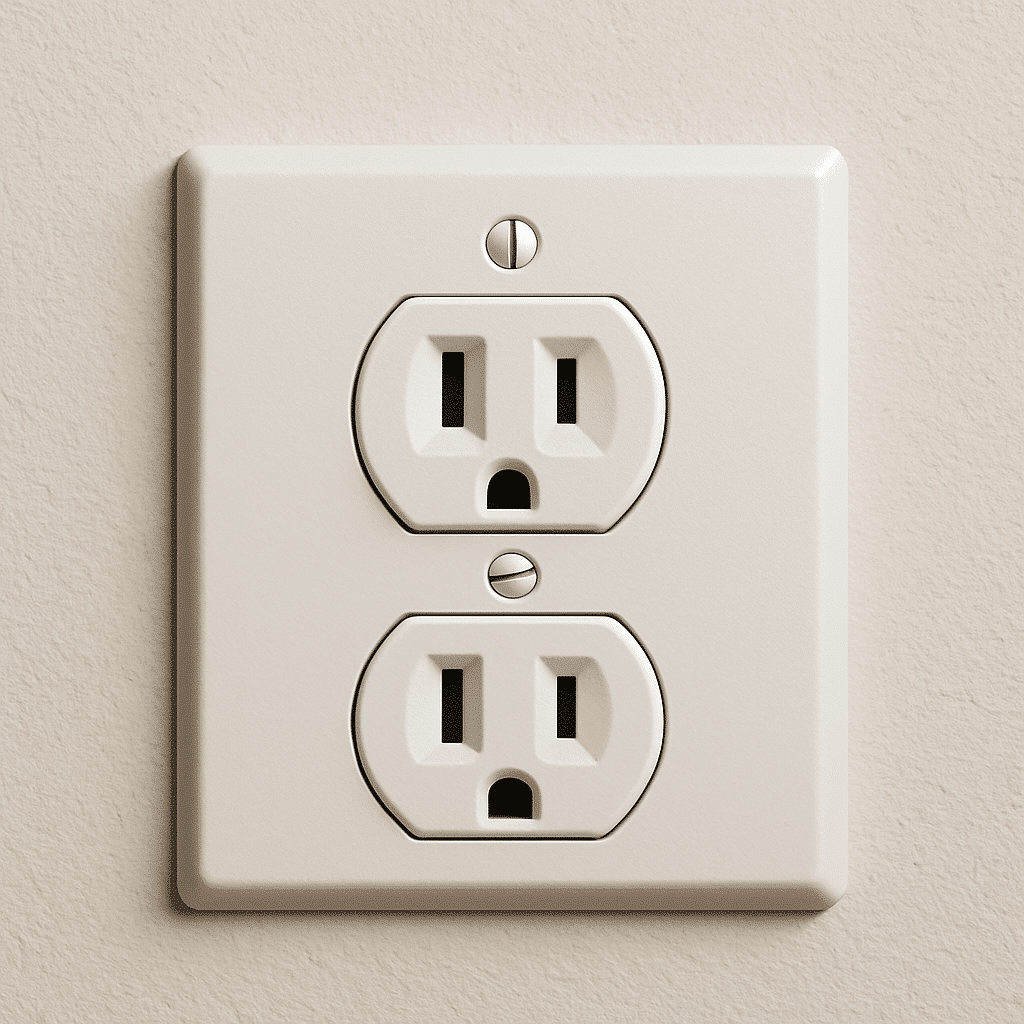
Compression molded parts are used in many consumer devices, including appliance housings and control panels, electrical sockets and switches, and insulators for wires and circuit boards.
Explore Fathom’s Full Range of Manufacturing Equipment
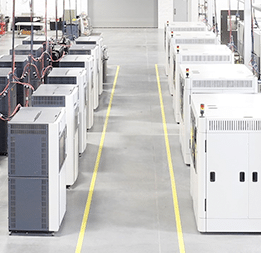
Download our complete machine list for a detailed look at our capabilities across CNC machining, additive, molding, and fabrication.
Why Choose Fathom for Compression Molding
-
Our expert engineers will help you optimize your part designs for production.
-
Our engineering and production teams bring decades of expertise and problem-solving to every project.
-
We offer manufacturing and full post-processing capabilities under one roof for one point of accountability