Autonomous Surface Vessel
-

Client
A U.S. manufacturer of autonomous surface vessels (ASVs) for distributed ISR and strike missions
-

Industry
Aerospace & Defense
-

Capability
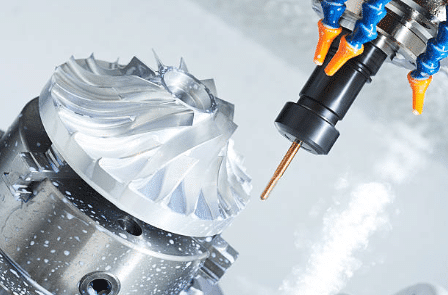
Design for Manufacturability (DFM), CNC Machining, Additive Prototyping, First Article and Dimensional Inspection
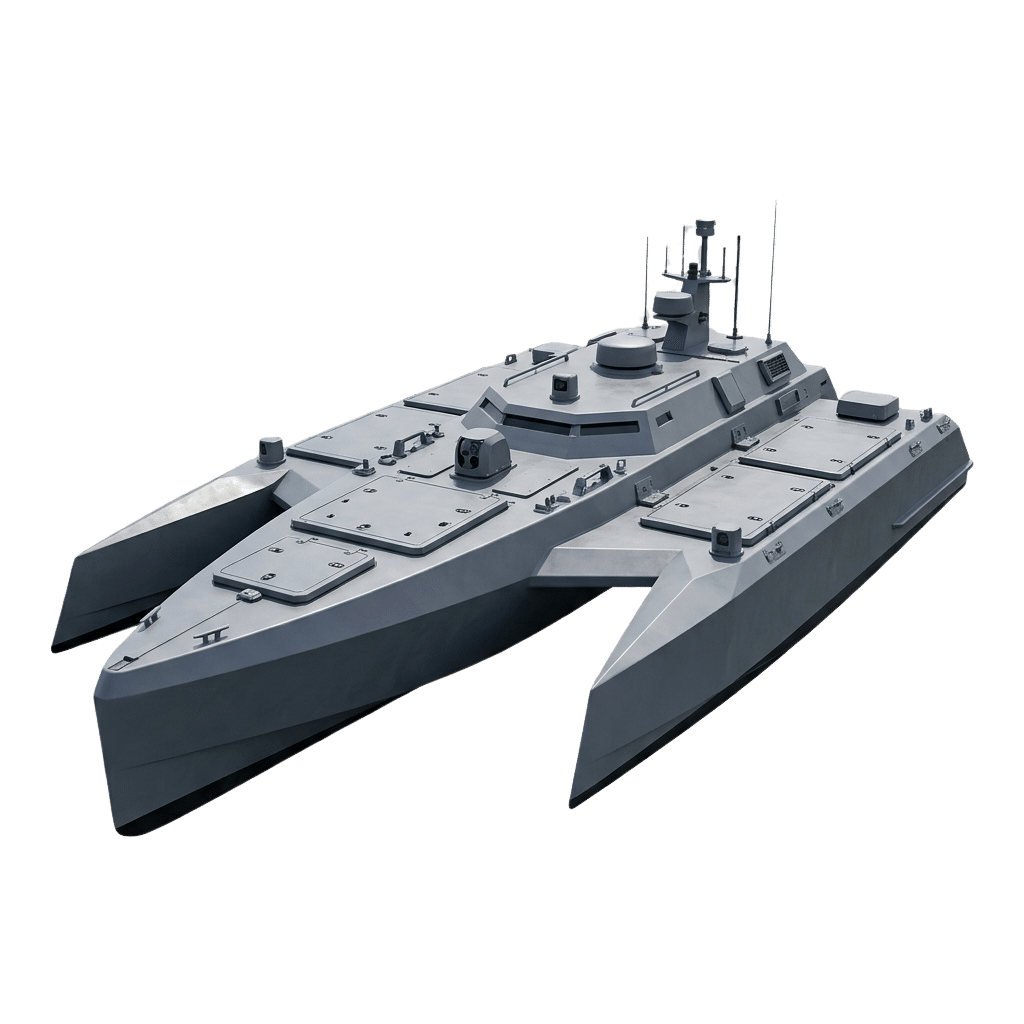

Helped engineer six swappable ISR, relay and strike payload configurations

14 fleet-driven ECOs cleared in year one without stalling vessel builds
DFM cut payload interface hardware weight by 27%
Payload Hardware That Changes as Fast as the Mission
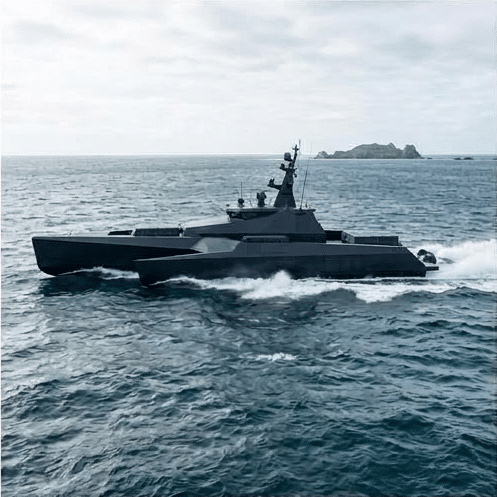
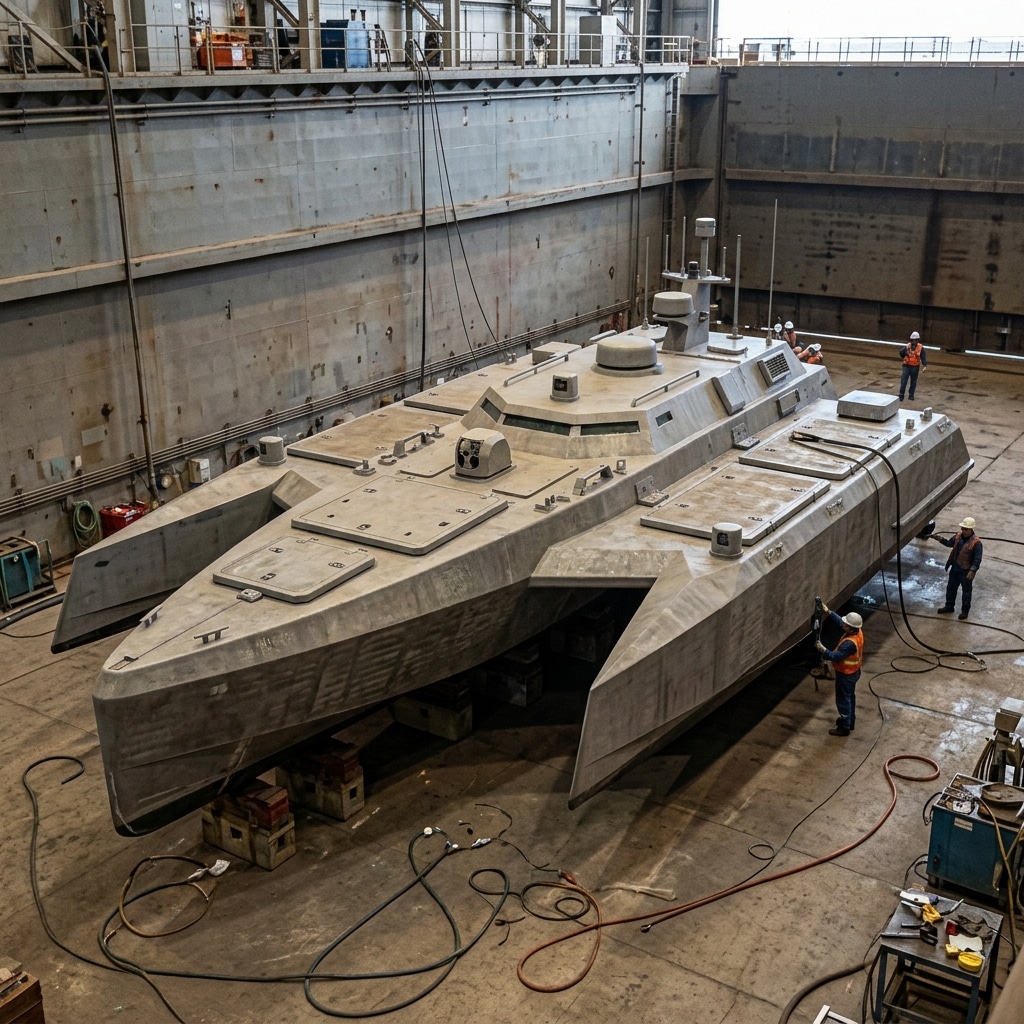
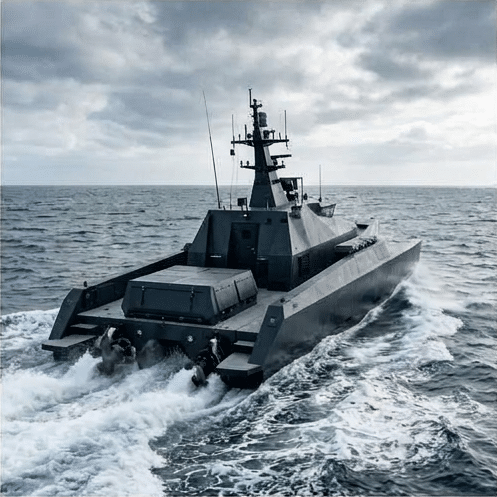
A U.S. manufacturer of autonomous surface vessels was scaling a roughly 20-foot craft for distributed maritime operations, fielding the same hull in both reconnaissance and strike roles.
Each mission carries its own stack of EO/IR sensors, RF and SATCOM antennas and effector payloads, and the complete vessel has to pack down for transport and deploy quickly wherever it’s needed.
Once the craft began operating, feedback from operators reshaped that payload stack faster than the hull design could absorb it, and every new payload arrived with its own brackets, its own hole pattern and its own round of quotes.
Fathom’s engineering team redesigned the payload interface hardware for manufacturability around a fixed set of reinforced hardpoints and a single common bolt pattern, proved fit, stowage and cable routing with additive prototypes before cutting metal, and put every kit under revision control so engineering changes came back as redlines rather than new jobs.
The defense contractor gained a family of swappable, transport-ready ISR and strike kits that could evolve with the mission without ever touching the hull.
The Problem
-
Payloads were changing faster than the hull. Feedback from reconnaissance and strike missions was reshaping the sensor, antenna and effector stack every few weeks, while the hull and deck design had already been locked for production.
-
A lightweight hull doesn’t forgive new holes. Each payload arrived with unique brackets and mounting holes. Every new penetration in the deck added a potential leak path and another concentrated load on thin hull structure that was never meant to carry it.
-
Alignment had to survive open water at sprint speed. Masts and sensor brackets needed to hold boresight and antenna orientation through wave slam and vibration at 40+ knots on a lightweight hull, without eating into a small craft’s payload budget.
-
Everything had to pack down for transport. Masts, antennas and payload trays had to come off for shipping and go back on in the field without a re-alignment session on the pier.
-
Engineering changes restarted the clock. The existing supply base treated each ECO as a new job with a new quote, a new first article and a new lead time, so fleet-driven changes stacked up in purchasing instead of reaching the water.
The Solution
-
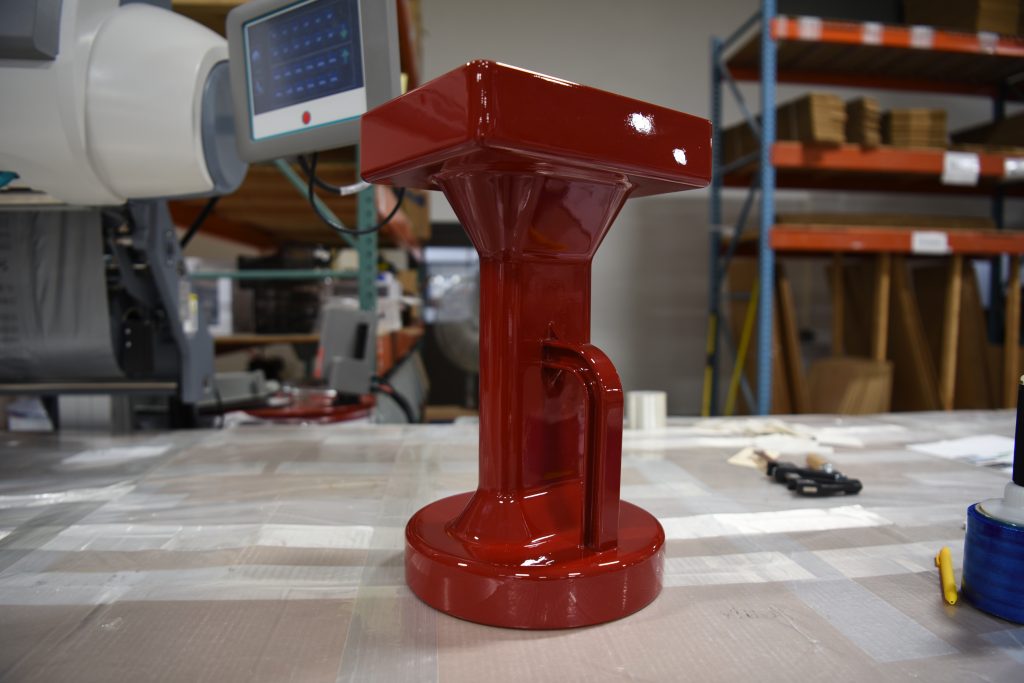
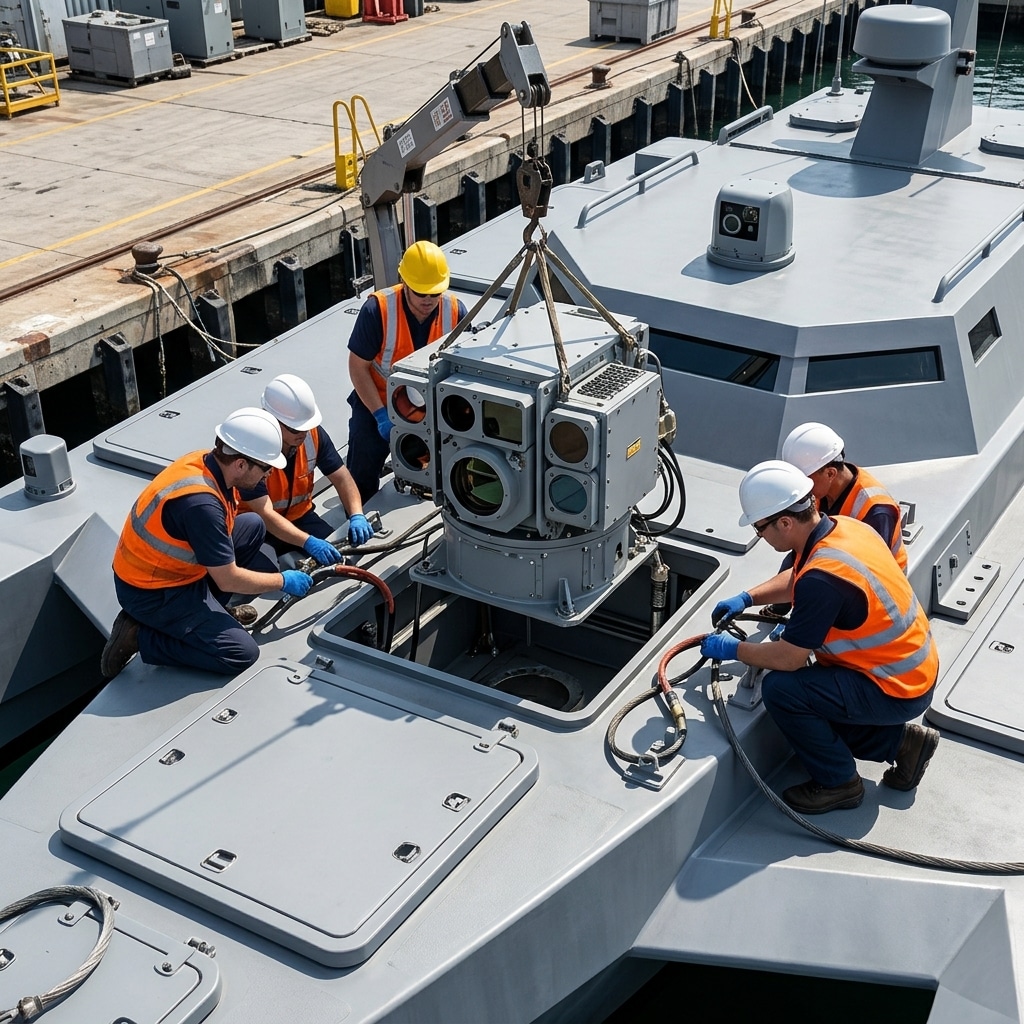
DFM started at the deck interface. Fathom’s engineers recommended a fixed set of reinforced hardpoints with machined aluminum backing plates that spread loads across the hull structure, topped by a common bolt pattern. Machined adapter plates and payload trays translate each sensor, antenna or effector to that footprint, so a new payload needs a new adapter, not a new hole in the hull.
-
Weight came out before metal was cut. DFM review pocketed brackets, consolidated multi-piece mast details into single machined parts and standardized fasteners across kits. Additive fit-check prototypes then confirmed geometry, clearances, cable routing and transport stowage before any CNC parts were released.
-
Alignment was built into the breakdown. Quick-release mast bases with machined locating pins and datum features let masts and antennas come off for transport and return to the same boresight, with ribbing added only where alignment needed it.
-
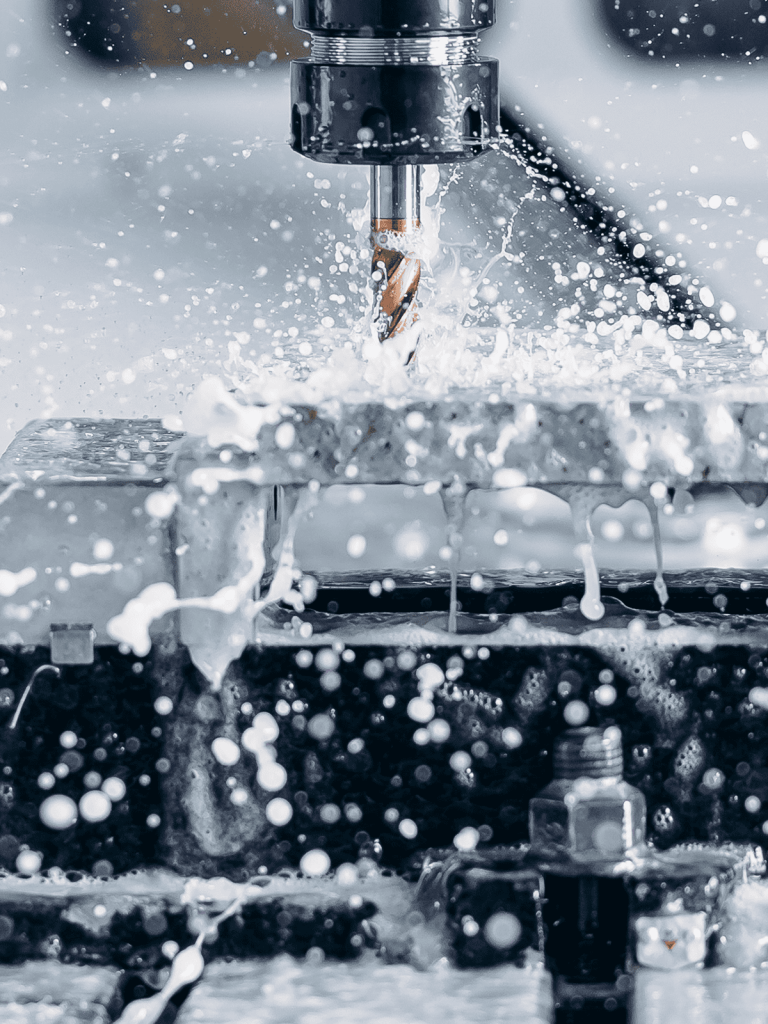
ECOs came back as redlines, not new jobs. Each kit was released against a documented baseline revision, so changes were reviewed as deltas to the current design, prototyped in additive when geometry moved and machined once confirmed. First article and dimensional inspection reports, including flatness and alignment checks, accompanied every release.
The Results
-
One deck interface now serves six payload configurations. Crews switch vessels between ISR, relay and strike missions dockside with no new hull penetrations and no hardware left to leak or loosen.
-
Kits arrive ready to deploy. Masts, sensors and antennas break down for shipping and reinstall in the field at their original alignment, so vessels go from transport to mission without a re-boresight.
-
Fleet feedback reaches the water without stopping the line. Fourteen ECOs moved through the first production year with no stalled vessel builds, letting engineering keep iterating payloads while the hull design stayed locked.
-
Payload margin went back to the mission. DFM trimmed interface hardware weight by 27% and reduced part count on mast assemblies, protecting payload capacity and range on a craft where every pound counts.