End-Effector Hardware for Robotic Manipulation Systems
-

CLIENT
Warehouse Automation OEM
-

INDUSTRY
Robotics & Automation
-

CAPABILITY
CNC Machining, Sheet Metal Fabrication, Additive Manufacturing, Rapid Prototyping, Engineering & Design Support, Bridge Production

Faster design iteration

Reduced mechanical integration risk

Improved scalability and commercialization
Keeping Robotic Arm Hardware on Pace with a Fast-Moving Development Program
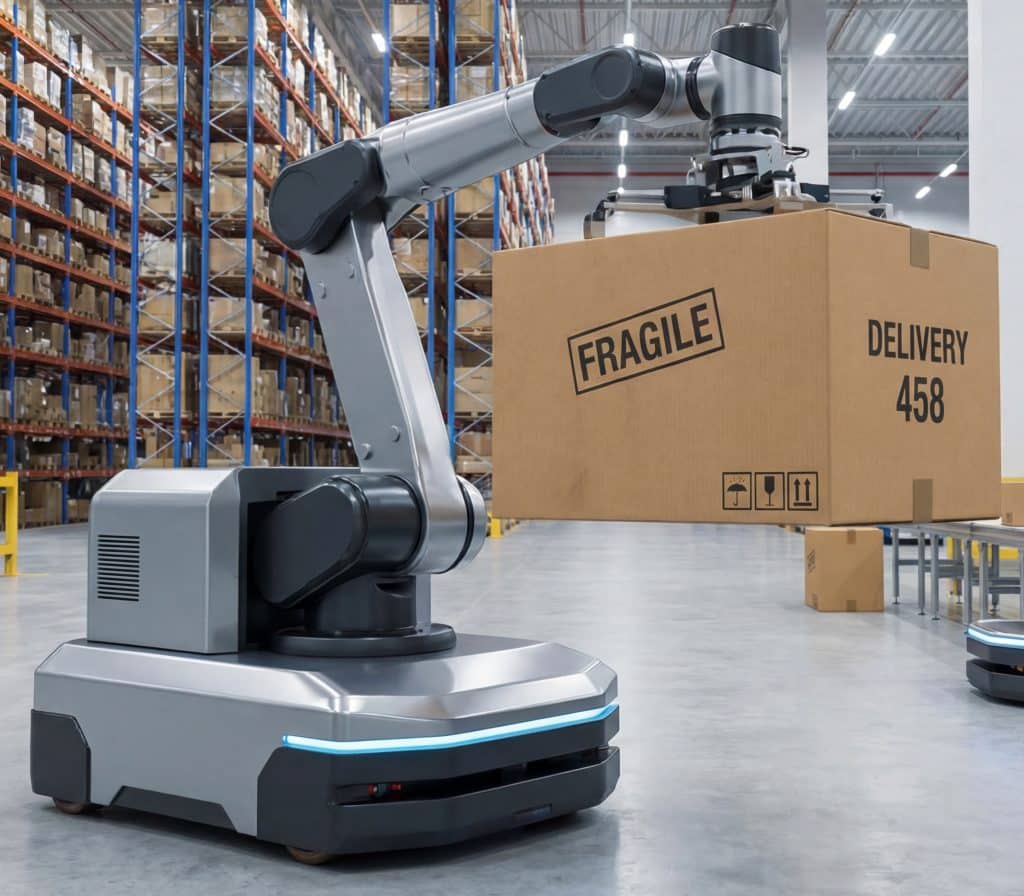
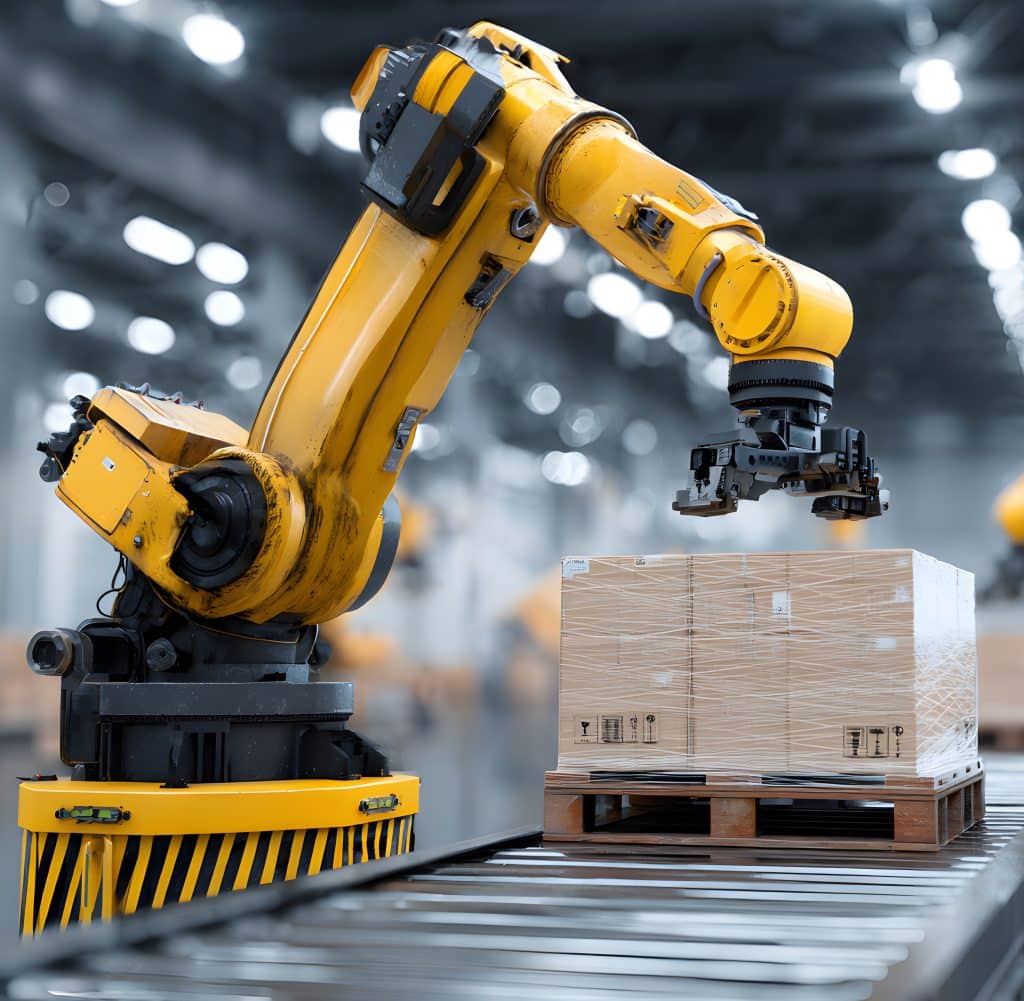
A warehouse automation OEM was expanding its portfolio of robotic manipulation systems, refining end-effectors, sensor packages and vision-enabled picking technology across multiple arm platforms. As each new design revision introduced changes to gripper interfaces, camera mounts, contact surfaces and safety guarding, the engineering team found itself outpacing its internal manufacturing capacity for the precise mechanical hardware those iterations required.
The company needed a domestic manufacturing partner that could respond quickly to design changes, deliver production-intent parts for validation builds and maintain thorough documentation without interrupting the pace of development.
The Problem
-
Robotic manipulation systems are among the most mechanically demanding products in warehouse automation.
-
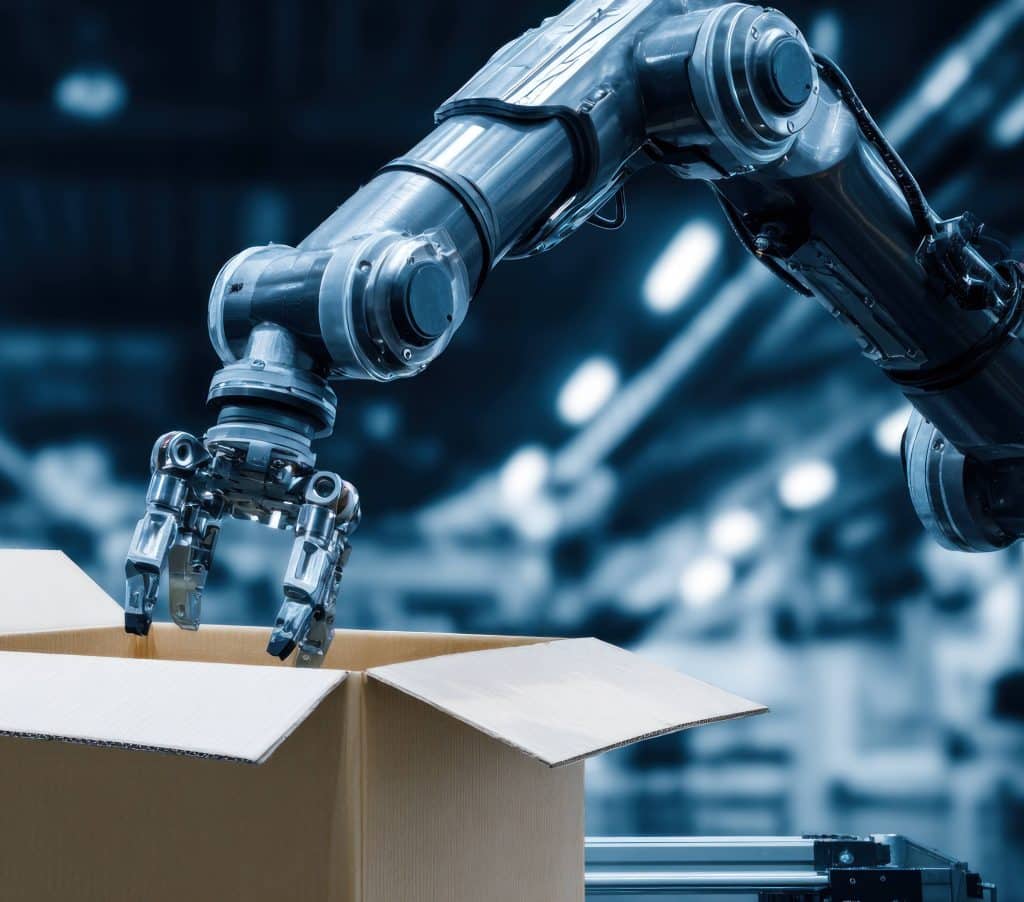
End-of-arm tooling must hold tight positional tolerances to work reliably with machine vision, tactile sensing, and high-speed picking algorithms.
-
Every interface, between the gripper and the robot flange, between the sensor and its mount, between the camera and its calibration artifact, has to perform consistently across thousands of cycles in a live fulfillment environment.
-
For this OEM, the pace of iteration was the central challenge. Internal teams were advancing multiple arm platforms simultaneously, each generating frequent ECOs around end-effector geometry, sensor placement, and contact-surface materials.
-
Traditional suppliers were too slow to absorb that level of design churn without creating bottlenecks, and the cost of hard tooling was difficult to justify before designs had stabilized.
-
The result was growing pressure on validation timelines, with hardware delays threatening to push pilot-site installations further out.
The Solution
Fathom deployed a coordinated multi-site approach that matched each category of hardware to the right manufacturing technology and location.
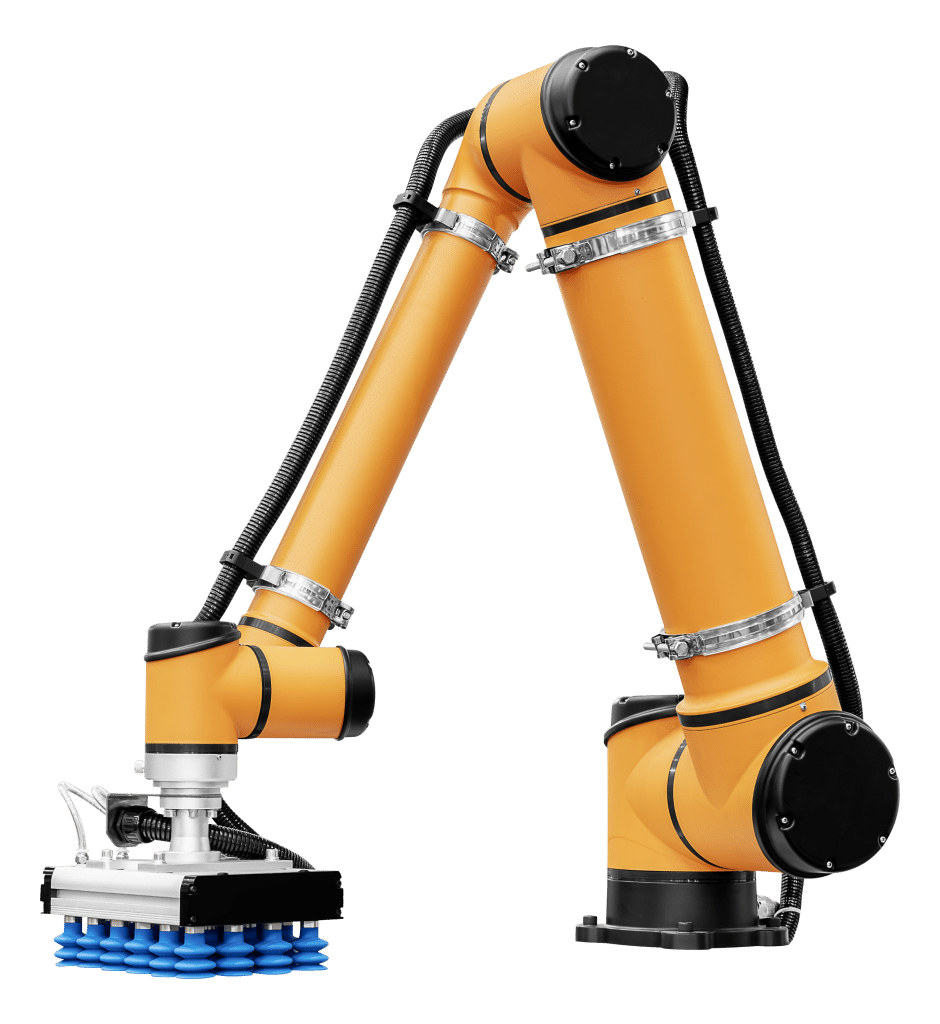
Minneapolis, MN led CNC machining for the most dimensionally critical components: end-of-arm tooling plates, gripper-interface blocks, sensor bosses, camera-mount bodies, calibration components and tight-tolerance alignment hardware.
Denver, CO produced sheet-metal assemblies including sensor guards, custom brackets and bases.
Ithaca, NY handled fast-turn prototype brackets, early-revision sheet-metal covers and fit-check hardware that kept development moving between formal build cycles.
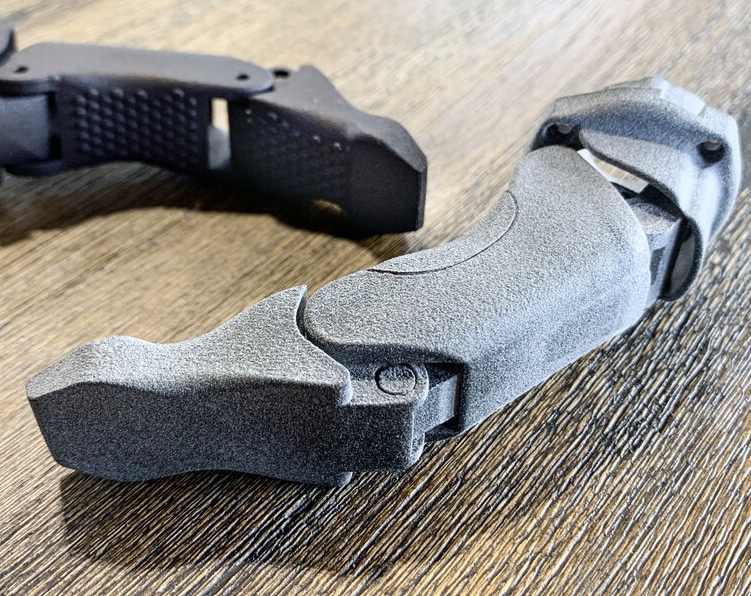
Hartland, WI, provided custom additive hardware, including end effector prototypes, vision/optical housings, operator shields and connectors.
Across all four sites, Fathom provided serialized lot control, dimensional inspection reports, and documentation packages ready for validation records—so parts arrived as production-intent hardware, not just prototypes.
The Results
-
With Fathom absorbing the most revision-intensive mechanical content, the engineering team gained a reliable path through the iteration cycle.
-
ECOs closed faster because hardware was available within days of design updates rather than weeks.
-
Pilot-build schedules held because validated parts arrived with the documentation needed for installation qualification, and the team avoided over-investing in hard tooling before arm designs had converged.
-
Most importantly, the OEM entered pilot-site deployment with a lower mechanical integration risk profile. End-effector and sensor-mount hardware had been validated across multiple design revisions with consistent quality documentation, reducing the likelihood of fit failures or sensing errors during live operation.
-
The outcome was a more confident path from lab validation to pilot installation and a repeatable domestic supply model for the next generation of manipulation system development.