Autonomous Tactical Vehicle
-

Client
A U.S. manufacturer of off-road autonomous tactical vehicles for logistics, reconnaissance and counter-drone missions
-

Industry
Aerospace & Defense
-

Capabilities
Design for Manufacturability (DFM), Engineering Change Order (ECO) Management, CNC Machining, Photochemical Machining, Urethane Casting, Injection Molding, Additive Prototyping, CMM and First Article Inspection

Brought compute, perception and radio enclosures from demo to production intent in time for first contract deliveries
Absorbed 11 field-driven ECOs across pilot lots without halting enclosure builds

DFM redesign of the compute housing lowered peak edge-computer temperatures by 18°C in hot-weather testing
How DFM Took an Autonomous Vehicle’s Electronics From Prototype Packaging to First Delivery
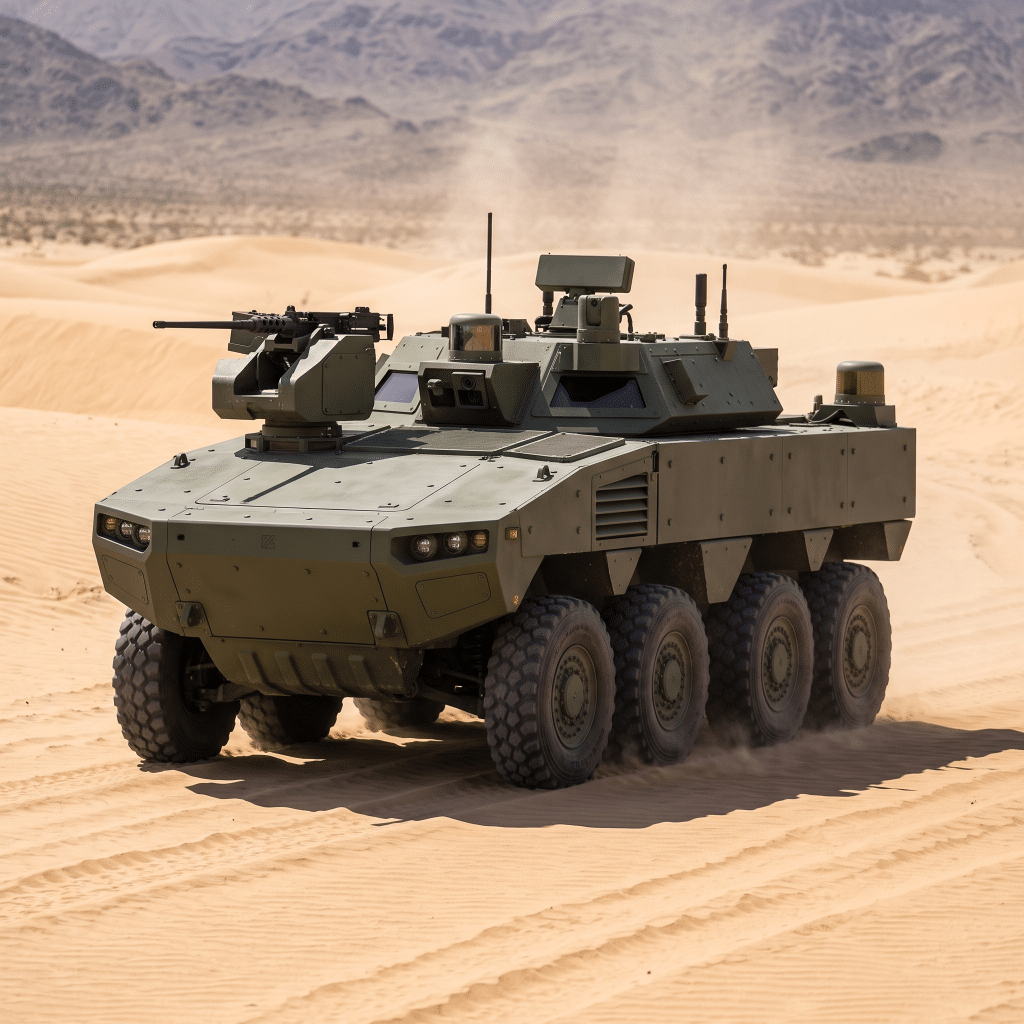
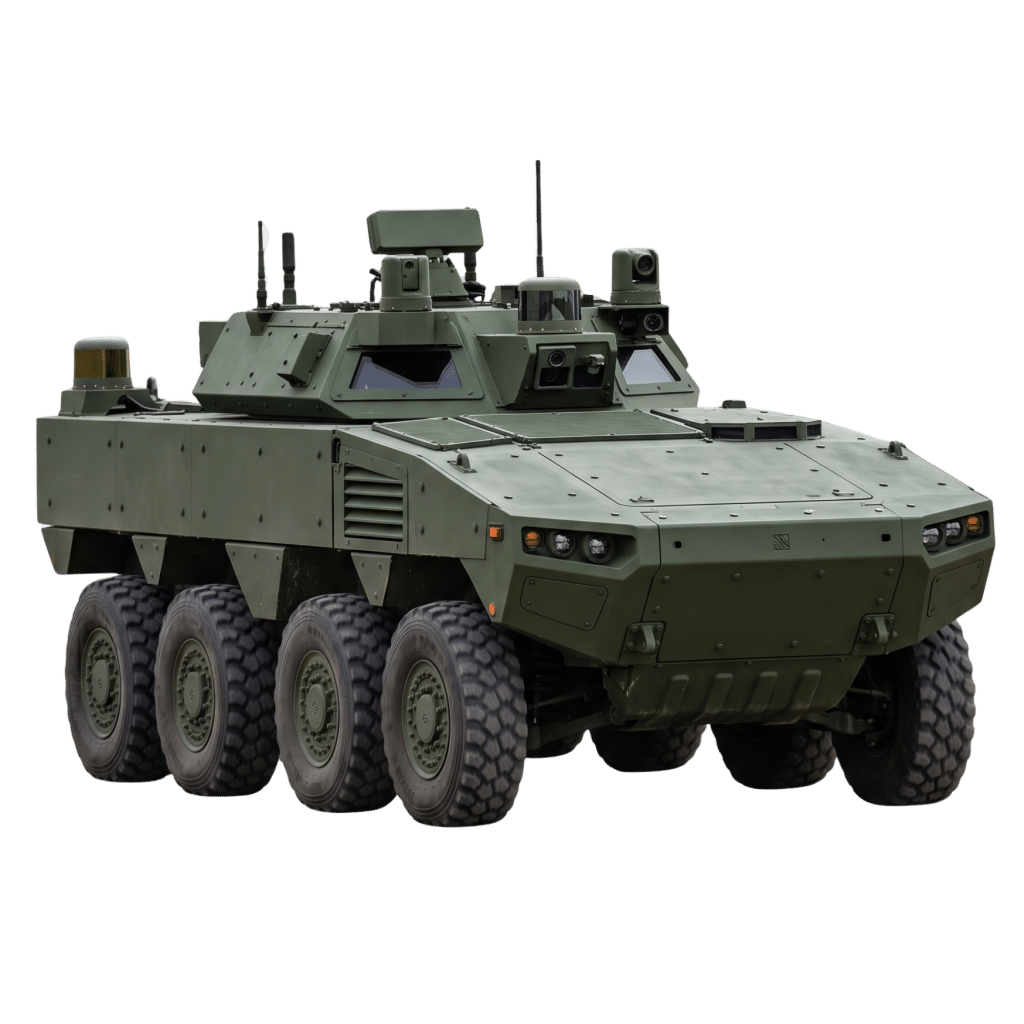
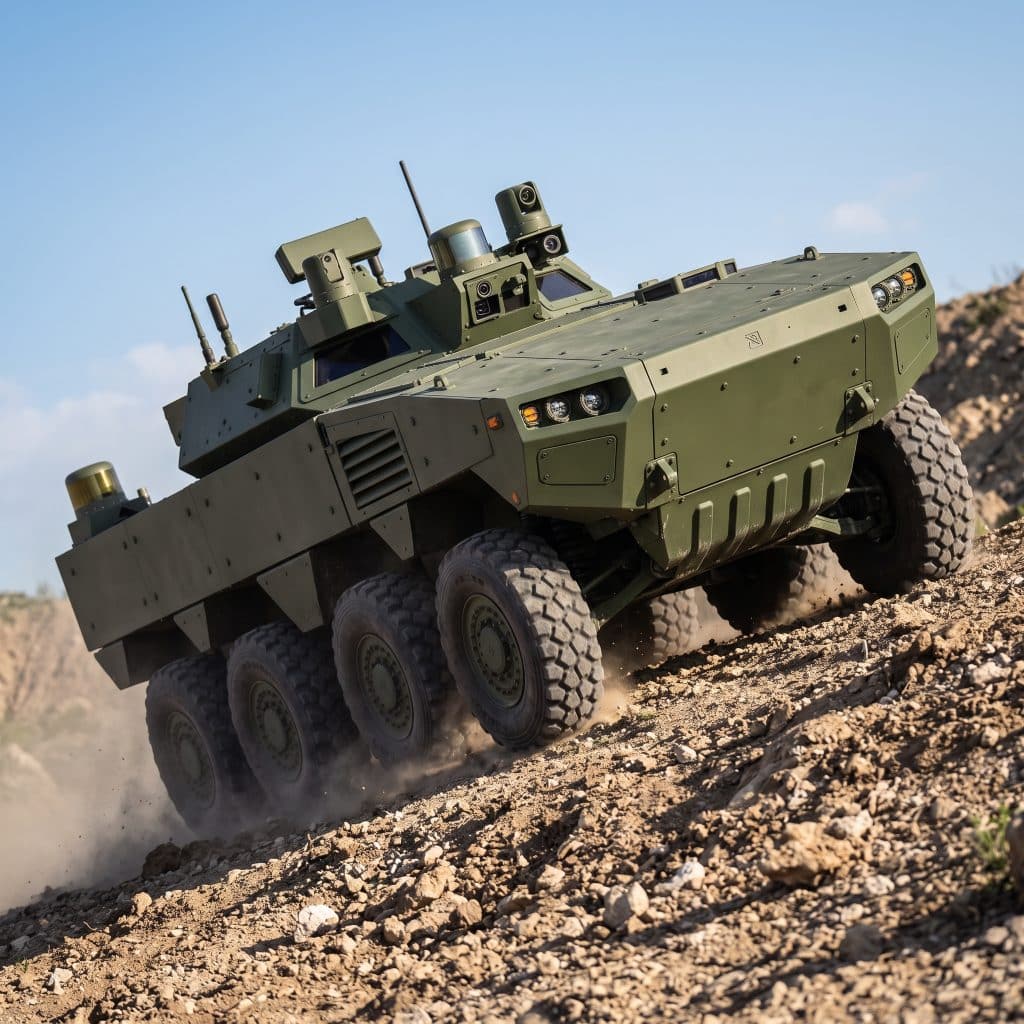
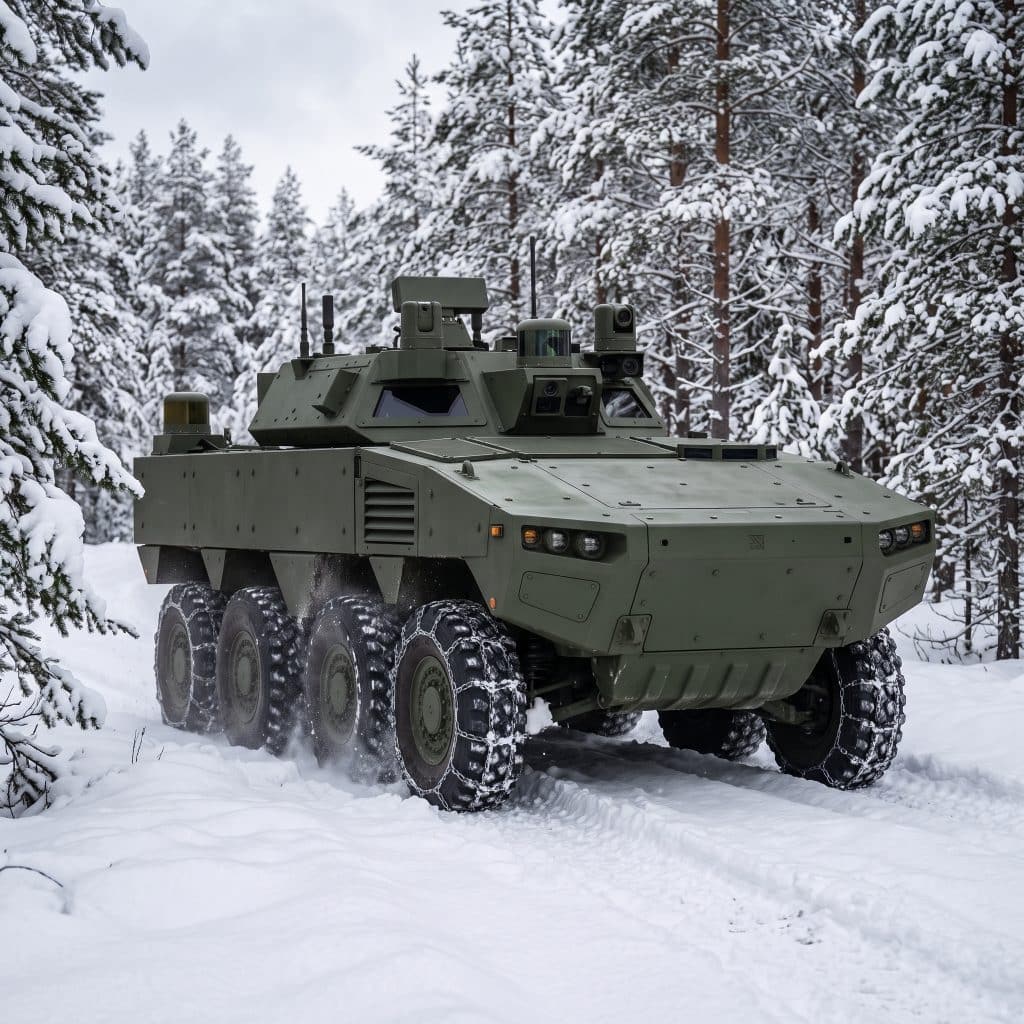
A U.S. autonomy company had moved from research into building its own purpose-built off-road vehicle: a 3,500-lb tactical platform that carries 1,000 lbs. of payload at up to 35 mph. After soldiers put it through a month of day-and-night logistics, reconnaissance and counter-drone missions on a training rotation, the company won its first production contract, with the first vehicles due roughly nine months after award.
The edge computer, perception controllers, radios and power electronics were still housed in packaging built for demonstrations. That packaging now had to survive dust, rain, heat and repeated field servicing, and it had to get there while feedback from the field was still changing the design.
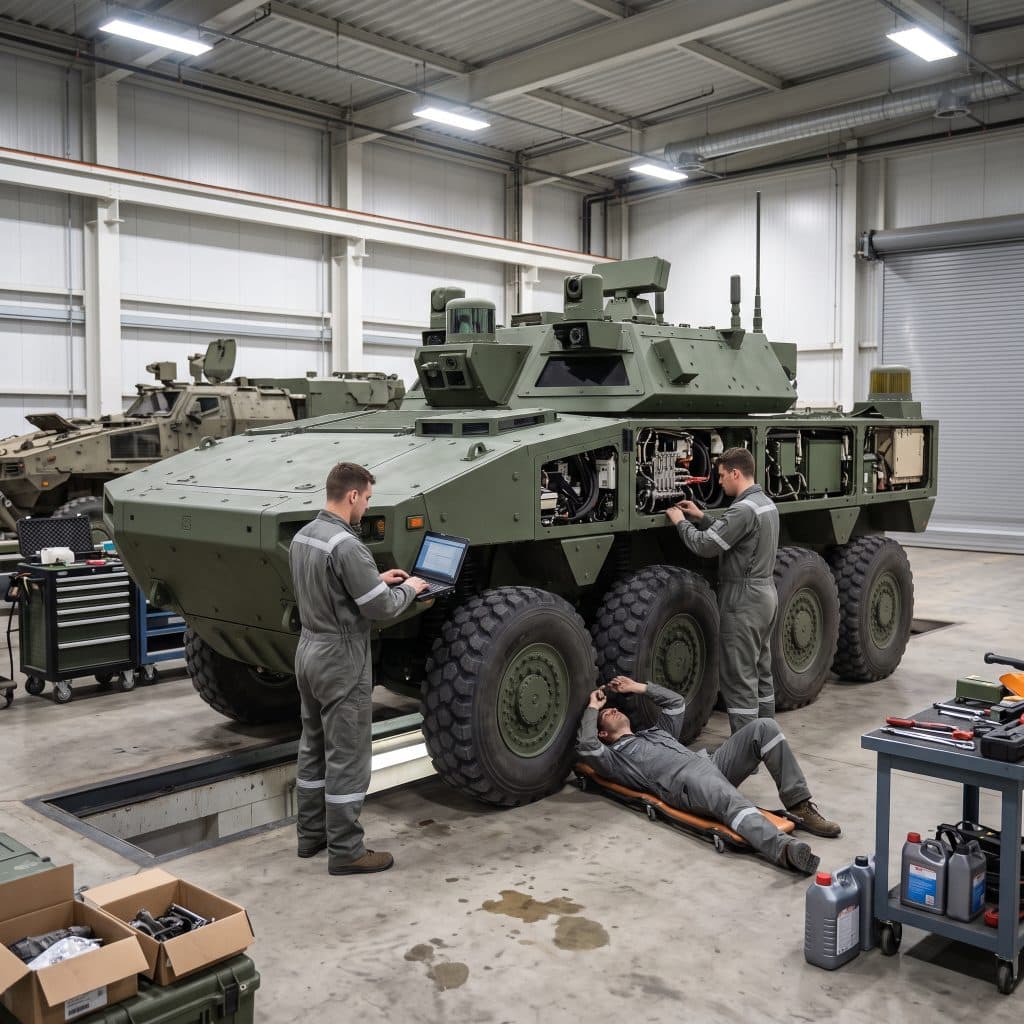
Fathom’s engineers worked alongside the customer’s team to redesign each enclosure for manufacturability, starting with a compute housing that had been trapping heat. Sealing, service access and RF separation were designed into the parts rather than added afterward, and each part was matched to a process that could absorb changes during pilot lots.
Every engineering change ran through one revision-controlled workflow, so updates reached the build floor without resetting the delivery schedule.
The Problem
-
Electronics were packaged for demos, not production: Sheet-metal prototype boxes, hand-fit covers and field-modified brackets that couldn’t be reproduced consistently from one vehicle to the next
-
Demo enclosures caused overheating of electronics: The multi-piece sheet-metal compute box trapped heat during hot-weather testing, pushing the edge computer toward thermal throttling on long missions
-
Demo enclosures weren’t designed for optimal serviceability: Crews needed to open and service electronics in the field, but every access point was a potential leak path for dust and water
-
Lack of RF shielding caused radio interference: Radios sat close to compute and power electronics with no designed shielding or grounding to keep interference out of communications and perception
-
Field testing started before component designs were finalized: Field testing was still generating design changes, and a nine-month runway to first delivery left no room for each change to restart quoting, tooling and first-article cycles
The Solution
-
DFM review of every enclosure, beginning with the compute housing: Fathom consolidated the sheet-metal box into a machined aluminum housing with integral cooling fins and a flat thermal-interface pad for the edge computer, confirming connector clearances and cable exits with additive fit-check prototypes before metal was cut
-
Serviceability designed in from the start, with repeatable gasket lands and captive-fastener access panels so crews could open and reseal enclosures without degrading the seal or losing hardware
-
Photochemically machined RF/EMI shields and grounding details to isolate the radios from compute and power electronics; because the process runs from digital phototools rather than hard tooling, shield revisions could be turned quickly as layouts changed
-
Processes matched to design maturity: Urethane-cast covers and vents for pilot lots, with injection molding planned once geometry froze, so pilot-lot ECOs never scrapped steel tooling
-
A single revision-controlled documentation package for each enclosure, with every ECO reviewed for manufacturability, cost and schedule impact, and CMM inspection of thermal-interface flatness and gasket lands on the first article of each revision
The Results
-
Successful hot-weather testing: A production-intent enclosure family delivered in time for the first contract vehicles
-
Improved compute cooling efficiency: Peak edge-computer temperatures 18°C lower in hot-weather testing, removing heat-related slowdowns on extended missions
-
Part consolidation simplified assembly: Compute enclosure part count reduced from 14 to 4, cutting assembly steps and potential leak paths
-
ECO resiliency: 11 field-driven ECOs incorporated across pilot lots without halting builds or re-quoting parts
-
Improve serviceability of electronics: Field crews able to open, service and reseal electronics without special tools or rework, with a documented path to injection-molded covers as volumes grow