Laser System for Counter-UAS Defense
-

Client
A U.S. developer of vehicle-mounted and palletized high-energy laser weapons for counter-UAS defense
-

Industry
Aerospace & Defense
-

Capabilities
Design for Manufacturability (DFM), Engineering Change Order (ECO) Management, DMLS Metal Additive Manufacturing, 5-Axis CNC Machining, Sheet Metal Fabrication and Welding, Additive Prototyping, Pressure and Leak Testing, CMM and First Article Inspection

DFM consolidated a 9-piece brazed cold plate assembly into 2 DMLS parts, eliminating 22 potential leak points

Redesigned beam director structures held alignment through MIL-STD-810H shock and vibration testing with no realignment required
Fathom absorbed 17 test-driven ECOs across the first 3 production lots with no delayed system deliveries
Production-Ready Laser Hardware, Engineered While the Design Was Still Moving
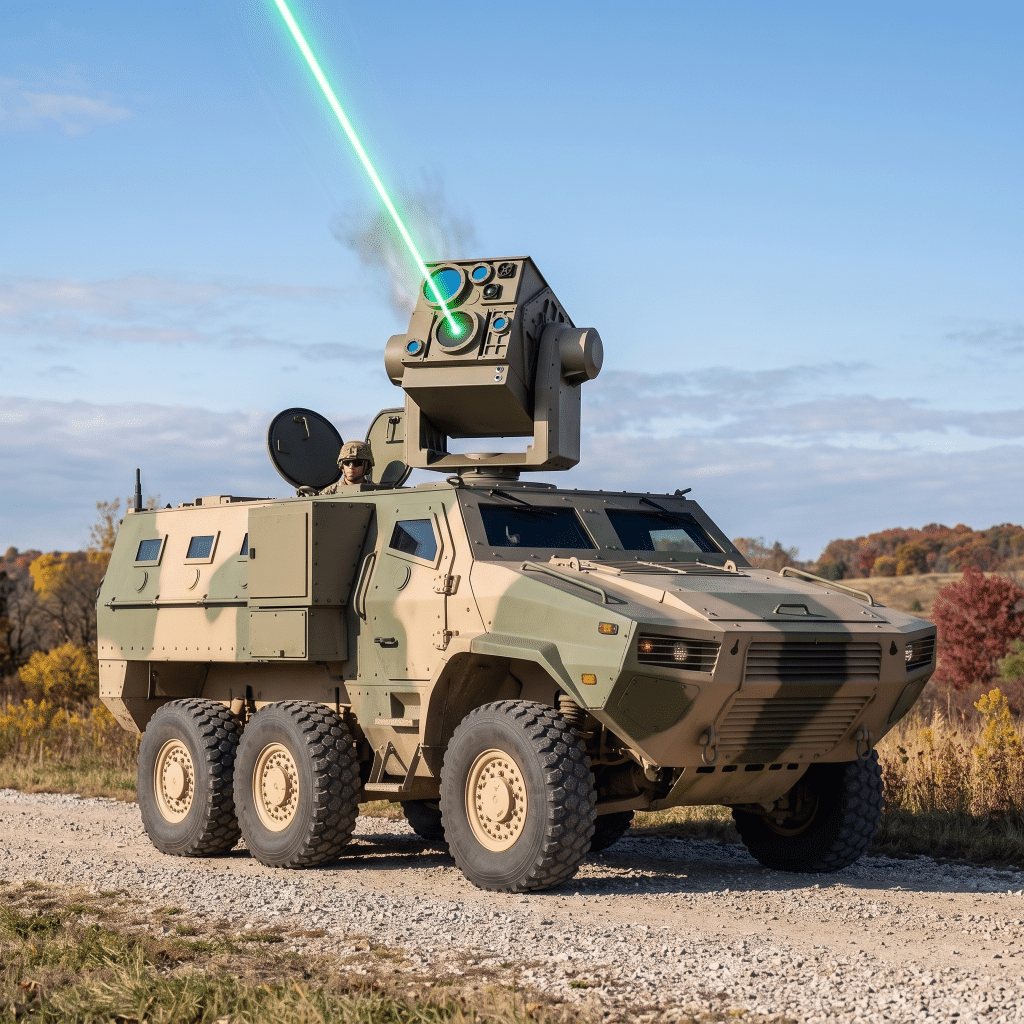
A U.S. developer of high-energy laser weapons had proven its compact counter-drone laser in the field and won an order to build its first production lots in both vehicle-mounted and palletized configurations.
The laser source was ready to scale, but the hardware around it was not. Beam director housings, gimbal yokes, cold plates and vehicle mounts had been hand-built and hand-fitted in prototype quantities, and test results were still reshaping the design as the first deliveries approached.
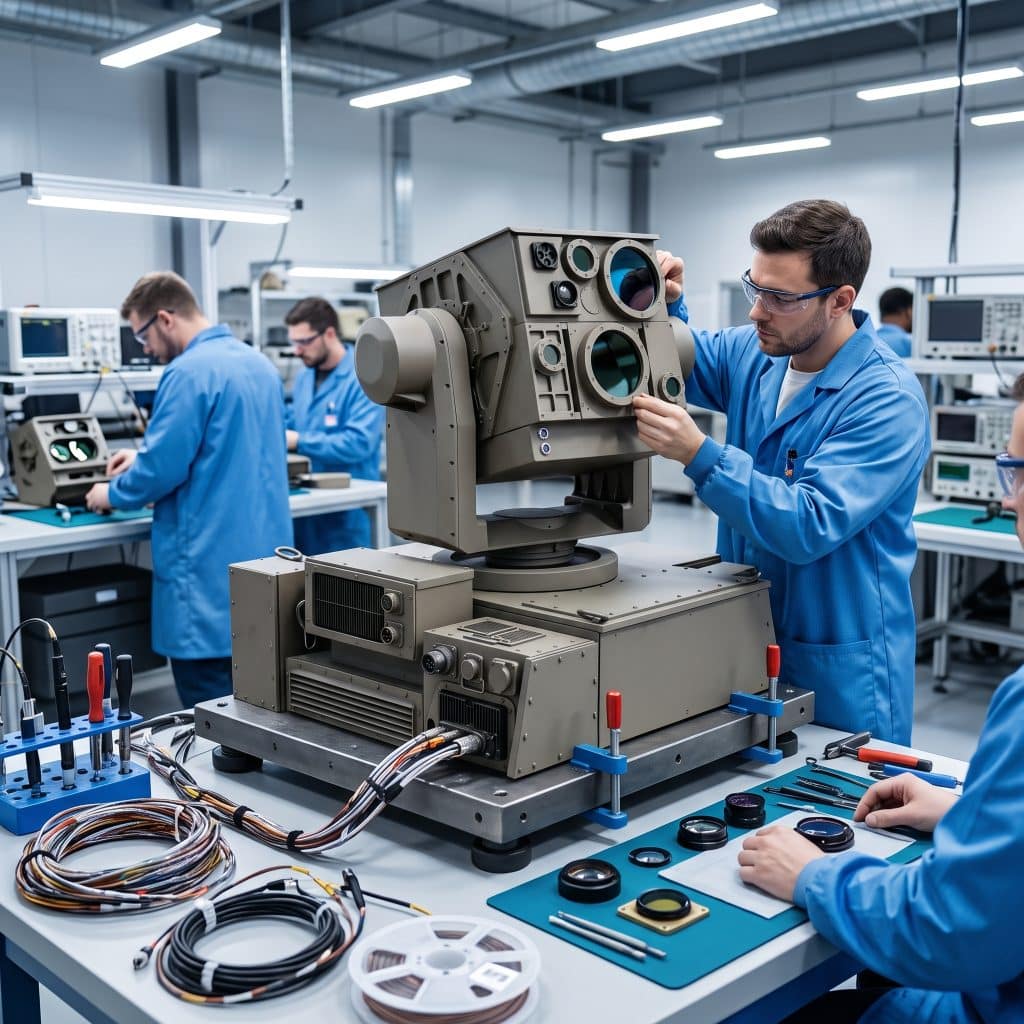
Fathom’s engineering team applied DFM across the three areas pacing the program: the beam director, the thermal system and vehicle integration. The team consolidated brazed cooling assemblies into DMLS parts, redesigned optical structures for stability and repeatable machining, and engineered one mounting interface for both configurations.
Every part was released against a controlled revision baseline, so the 17 engineering changes that followed came back as redlines instead of new jobs and the first production systems shipped on schedule.
The Problem
-
The mechanical risk sat outside the laser. The laser source had matured through years of testing, but the hardware that aims, cools and carries it had not. Beam control, thermal management and size, weight and power (SWaP) were flagged as the program’s top risks heading into production.
-
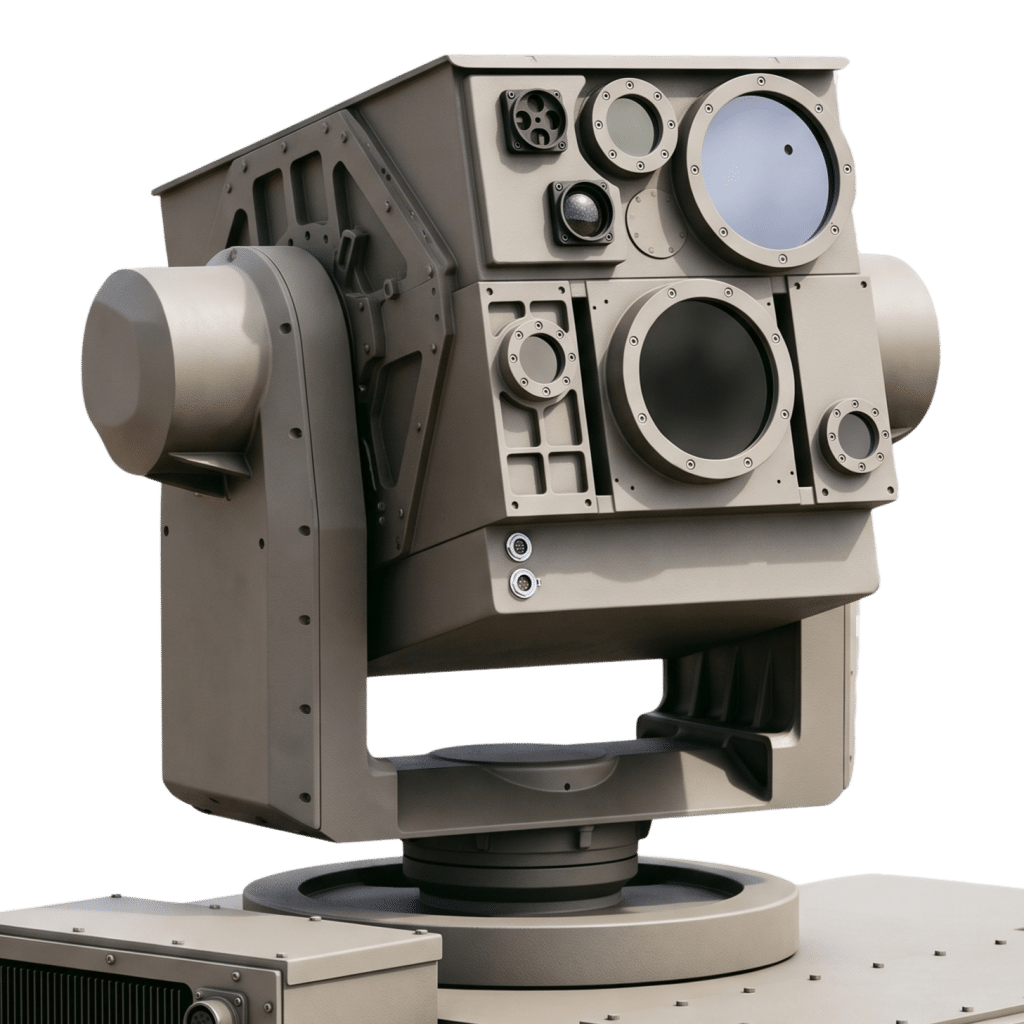
Alignment had to survive the vehicle. Gimbal yokes, beam director housings and optical bench details had to hold optical alignment through tactical-vehicle shock and vibration. Prototype parts machined without stress relief shifted after rough-terrain testing, and systems needed hours of realignment before they could engage.
-
Waste heat limited back-to-back engagements. Cold plates and coolant manifolds were brazed together from nine separate pieces, which added weight, created 26 potential leak points and limited heat-transfer surface area. Against multiple incoming drones, the thermal system, not the laser, set the pace.
-
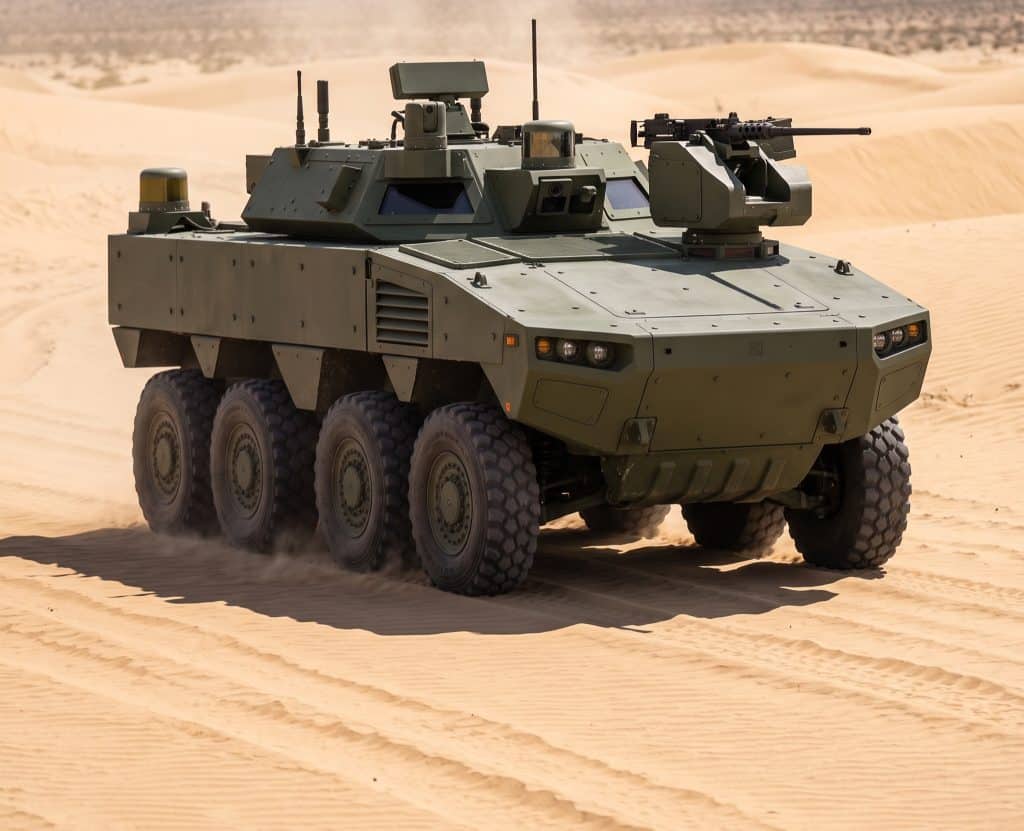
Two configurations meant two sets of hardware. Vehicle-mounted and palletized systems used different frames, enclosures and brackets, and early mounting kits required drilling and modification on every host vehicle.
-
Engineering changes restarted the clock. Thermal, vibration and live-fire testing kept driving design updates as production approached. The prototype supply base treated each ECO as a new job with a new quote, a new first article and a new lead time, and hand-built lots could not hold tolerances or documentation from one system to the next.
The Solution
-
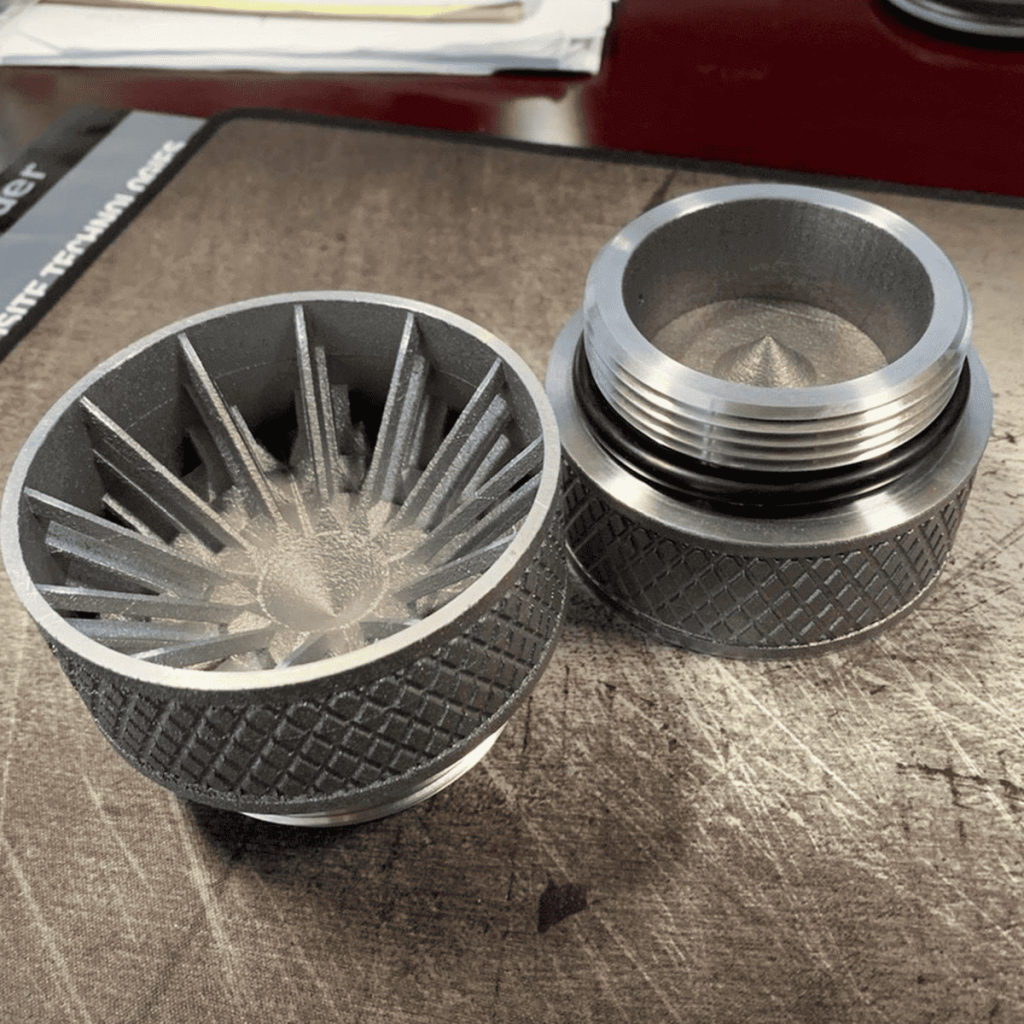
DFM consolidated the thermal system. Fathom’s engineers redesigned the brazed cold plate and manifold assembly as two DMLS parts with conformal internal channels routed beneath the heat sources. Consolidation cut part count from nine to two, removed 22 of 26 potential leak points and added heat-transfer surface area within the same envelope. Every cooling part was pressure and leak tested before shipment.
-
Optical structures were engineered for stability. Gimbal yokes, beam director housings and optical bench details were redesigned for 5-axis machining with stress relief between roughing and finishing, so parts stayed stable in service. A six-piece bolted yoke became a single machined part, removing the joints that let alignment drift. Critical bores and mounting surfaces were verified on CMM, and low-CTE material certifications accompanied Invar and titanium details. DFM also opened non-critical tolerances so only true optical and mating interfaces were held tight, taking 18% out of machined piece-part cost.
-
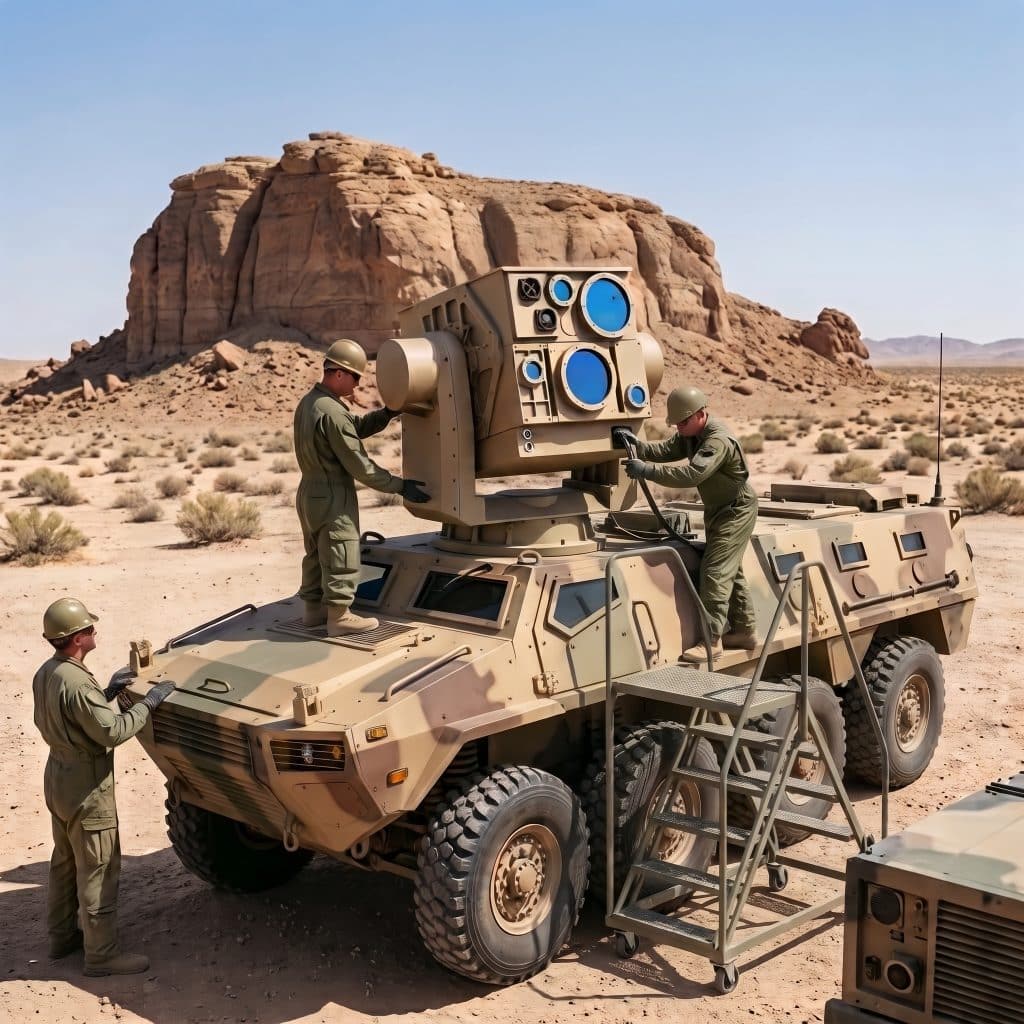
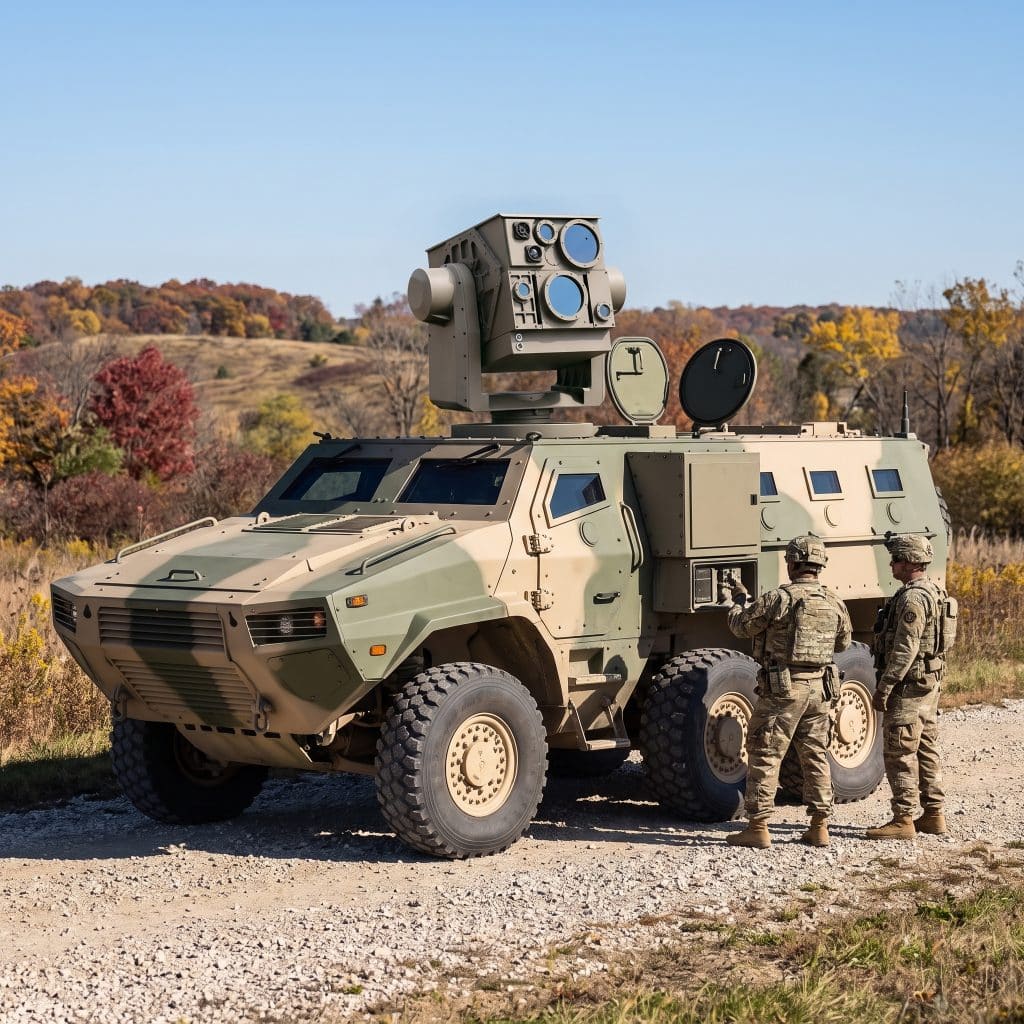
One interface served both configurations. Fathom engineered a common mounting interface for the beam director and power enclosures, paired with welded pallet frames and vehicle adapter kits that bolt to existing host-vehicle hard points. Additive fit-check prototypes confirmed clearances and cable routing before metal was cut, and the same laser hardware now moves between vehicle-mounted and palletized configurations without new drawings or vehicle modifications.
-
ECOs came back as redlines, not new jobs. Each part family was released against a documented baseline revision, so changes from testing were reviewed as deltas to the current design, prototyped in additive when geometry moved and released to production once confirmed. AS9102 first article inspection, pressure and leak test data and serialized inspection records accompanied every delivered system.
The Results
-
Hardware stopped pacing production. Beam director, thermal and vehicle integration parts arrived ahead of system integration for each of the first three production lots, and the first production systems shipped on schedule.
-
Alignment holds from the motor pool to the mission. Redesigned beam director structures passed MIL-STD-810H shock and vibration testing with no post-test realignment, so systems reach the field ready to engage.
-
The thermal system kept up with the laser. Consolidated DMLS cold plates weighed 31% less than the brazed assemblies they replaced and kept power electronics 11°C cooler during back-to-back engagement testing, extending how long the system can fire before it waits on cooling.
-
Test feedback reached production without stopping it. Seventeen ECOs moved through the first three production lots with no delayed system deliveries, letting engineering keep refining the design while systems were being built.
-
Every system matches the last. Serialized inspection records, material certifications and a single revision history gave the developer a repeatable, documented, domestic path to scale from its first production lots toward follow-on orders.